Introduction
Holy Week in Spain is a celebration rooted in its history, culture and traditions. It is often associated primarily with the famous Seville fair, but this religious and cultural event goes beyond. In this article, we will explore the rich history, traditions and distinctive celebrations of Holy Week in Spain, from various perspectives and in different regions of the country, highlighting its historical and cultural importance. In addition, we will analyze how this celebration has become a unique phenomenon, and we will deepen the diversity of traditions throughout Spain.
History and Context
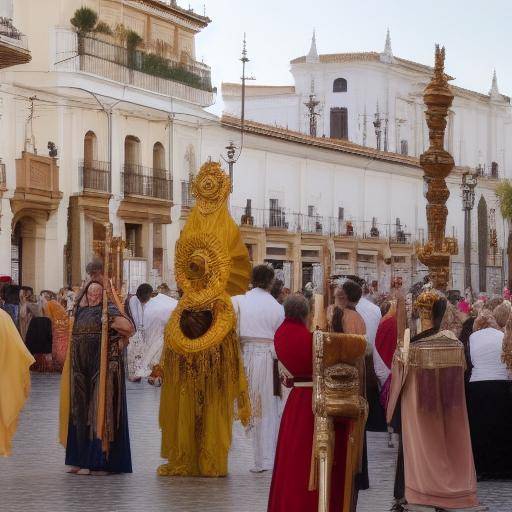
Easter is one of the oldest and most important celebrations in Spain. Its roots go back to the Middle Ages, when religious processions began to take shape in the Iberian Peninsula. Over the centuries, Holy Week has become a unique cultural and religious phenomenon, combining the solemnity of the liturgy with the exuberance of popular celebrations.
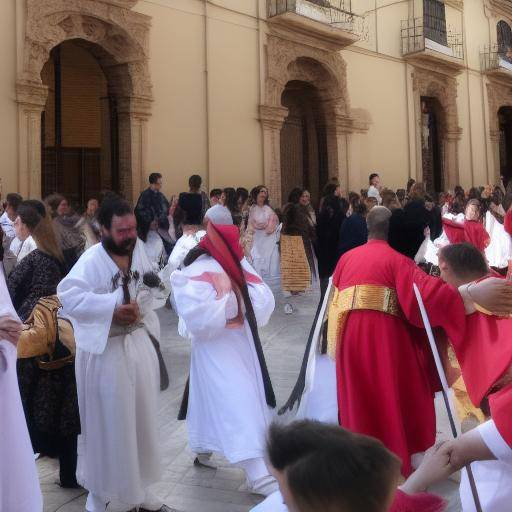
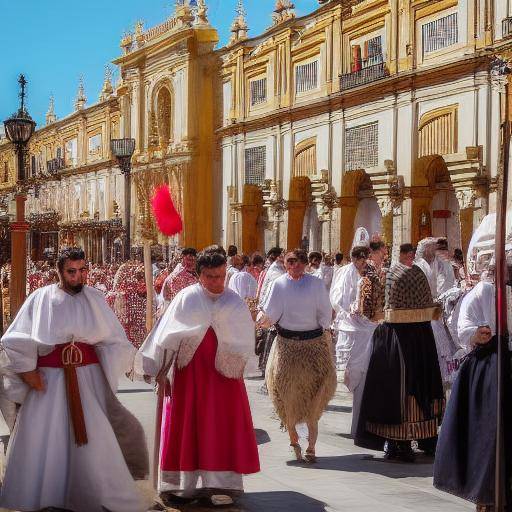
This celebration is rooted in the Catholic faith, and its importance is reflected in the active participation of communities in all regions of Spain. Processions are the central point of the celebration, and each region has developed its own traditions, music and clothing for these occasions. From the majestic processions of Andalusia to the sober celebrations in northern Spain, Easter is a testimony to the country's cultural diversity.
The symbolism of Holy Week is another significant aspect that has evolved over the centuries. The different brotherhoods and brotherhoods play a crucial role in the organization of the processions, and each has its own history and traditions that date back centuries. The combination of religious and cultural elements in these celebrations makes Easter in Spain unique in the world.
Deep analysis
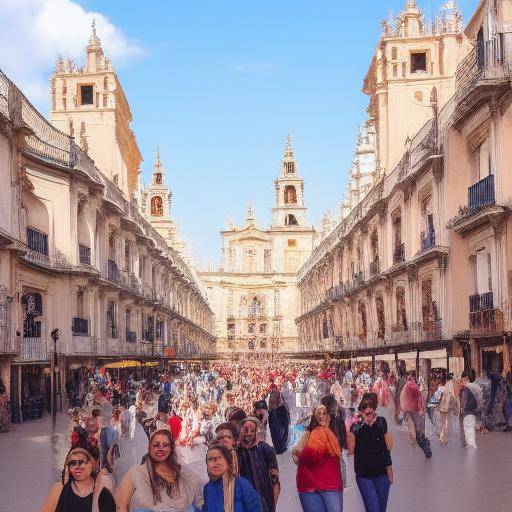
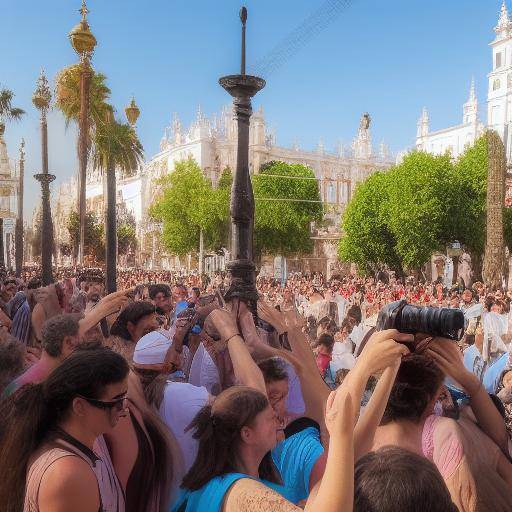
The benefits of Holy Week as a cultural and tourist phenomenon are undeniable. Every year, millions of people visit Spain to witness this impressive manifestation of faith and tradition. Processions, music, sacred art and gastronomy are just some of the attractions that attract visitors from around the world.
However, Holy Week is not without challenges. The growing tourist demands and pressures on local infrastructure pose dilemmas for communities seeking to balance the preservation of their traditions with the needs of modern tourism.
With regard to current trends, there is a renewed interest in the preservation and promotion of local traditions. The communities are investing in the restoration of procedural steps, the formation of musicians and the promotion of crafts associated with Holy Week. This renewed focus on the cultural roots of the celebration is a reflection of the pride and local identity that Easter inspires throughout Spain.
Comprehensive review
The diversity of traditions and practices associated with the Holy Week in Spain offers a wide panorama of cultural and religious expressions. From the spectacularity of the Andalusian processions to the sobriety of the celebrations in the north, each region brings its own cultural nuance to this festival.
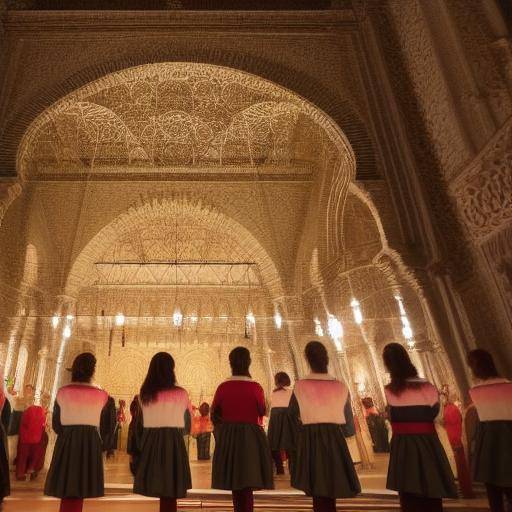
In a country as diverse as Spain, each community has developed its own customs and rituals that enrich the general panorama of Holy Week. Through food, music, crafts and religious devotion, Holy Week becomes a complete framework that reflects the identity and history of each region.
Comparative analysis
While Holy Week has common elements throughout the country, each region of Spain has developed its own traditions and rituals, which brings unique wealth and diversity to this celebration. The processions in Seville can be majestic and ostentatious, while in the north of Spain an atmosphere of recollection and sobriety prevails. These differences reflect the cultural and religious diversity of the country, making Easter a plural and enriching phenomenon.
Practical Tips and Recommendations
If you want to experience Holy Week in Spain in an authentic way, we recommend you to investigate and participate in the traditions of different regions in order to obtain a complete vision of this celebration. In addition, it is important to respect local customs and understand the profound meaning of this holiday for the communities that practice it.
Some practical advices include planning your journey ahead of time, reporting on the specific traditions of each region, and being respectful and thoughtful of participating in the celebrations. It is also advisable to try local gastronomy and get familiar with the music and art associated with Easter. In this way, you will have an authentic and meaningful experience that will allow you to appreciate the cultural wealth of this holiday.
Conclusions and FAQs
In conclusion, Easter in Spain is much more than the famous celebrations of Seville. It is a cultural and religious manifestation that reflects the diversity and historical wealth of the country. From the majestic processions in Andalusia to the sober celebrations in the north, Easter offers a unique vision of the identity and traditions of each region.
Frequently asked questions
**1. What is the origin of Holy Week in Spain?**Holy Week has its roots in the Christian celebration of the Passion, Death and Resurrection of Jesus Christ. It was introduced in Spain during the Middle Ages and has evolved into a deeply rooted celebration in the culture and faith of the country.
**2. What are the main traditions associated with Holy Week in Spain?**The main traditions include religious processions, sacred music, typical gastronomy of the time and the active participation of local communities in organizing the events.
**3. What are the differences between Easter in Andalusia and northern Spain?**In Andalusia, Easter is characterized by mass processions, exceptional music and a festive atmosphere, while in the north, a more sober and reflective approach prevails.
**4. What is the cultural importance of Holy Week for the Spanish?**Holy Week is a moment of deep cultural and religious expression for the Spanish. It represents an opportunity to share traditions and express the identity of each region.
**5. How can I participate in the celebrations of Holy Week in Spain?**If you want to participate in the celebrations of Holy Week, we recommend that you know about the specific traditions of the region that you want to visit, plan ahead and respect local customs.
**6. What impact does Easter have on tourism in Spain?**Easter attracts millions of visitors every year, which has a significant impact on the tourism industry in Spain. The celebrations offer a unique opportunity for travelers to experience Spanish culture and tradition.
In short, the Holy Week in Spain is a celebration deeply rooted in the history and culture of the country, and offers those who experience it a unique vision of the diversity and wealth of Spanish traditions.
With this information, we hope you are prepared to experience Easter in Spain in an authentic and meaningful way.