The Easter period is one of the most unique celebrations in Spain, full of religious traditions, cultural manifestations and, of course, exquisite gastronomy. On this occasion, we will explore the unique flavors of Easter in Seville, as well as the local delights that add a special touch to this holiday. From history and traditions to typical recipes and places to enjoy these delicacies, we invite you to immerse yourself in the culinary of this special celebration.
A Brief History of Holy Week and its Gastronomy in Seville
Holy Week, which commemorates the passion, death and resurrection of Jesus Christ, has profound roots in Spanish culture. In Seville, this celebration comes to life spectacularly with solemn processions, live music and deep devotion that is reflected in local gastronomy.
Origins and Meaning of Holy Week in Spain
Holy Week has its roots in the ancient Christian tradition of commemorating the passion, death and resurrection of Jesus Christ. In Spain, this celebration has become a unique cultural manifestation, where religion, history and national identity are mixed.
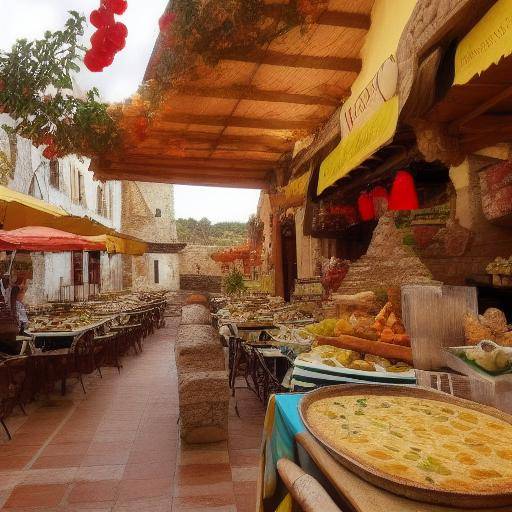
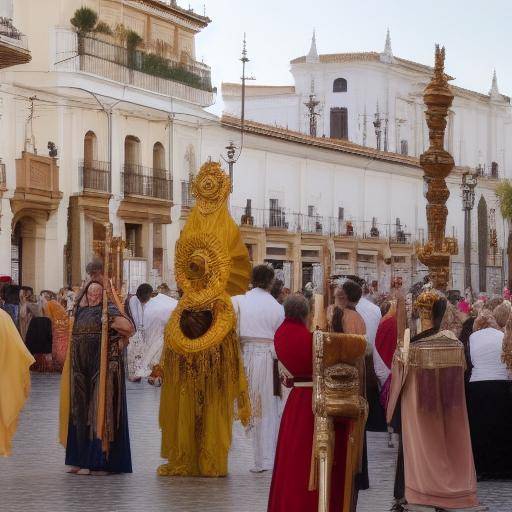
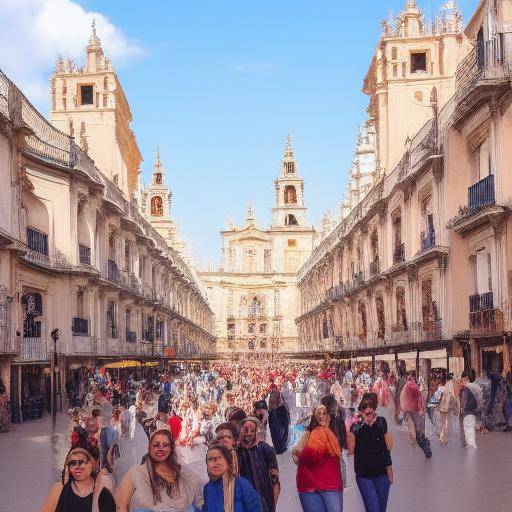
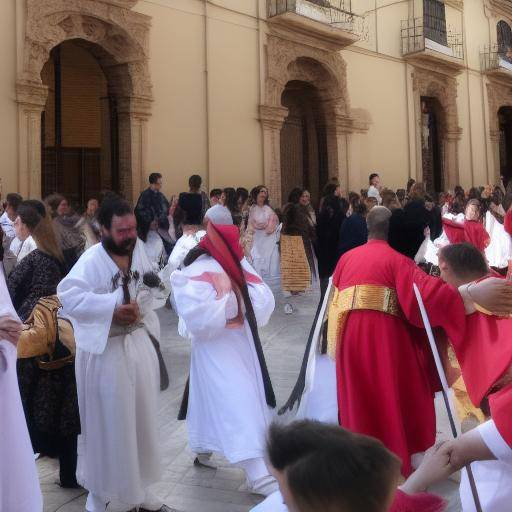
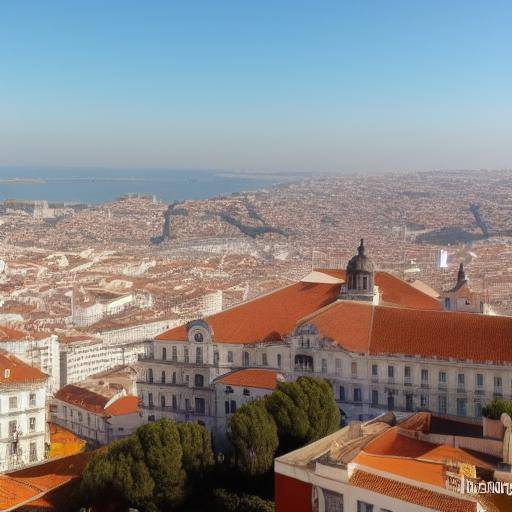
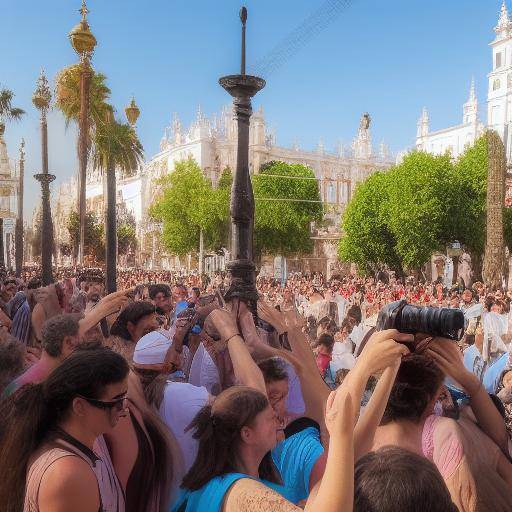
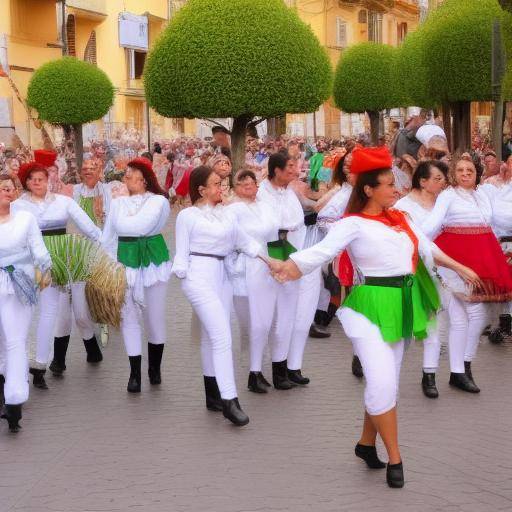
The city of Seville, known for its devotion and splendor, is transformed during Holy Week. The streets are filled with colorful processional steps, nazarenes dressed in robes and capirotes, and beautiful religious images that travel the streets to the music. This special atmosphere is complemented by a varied gastronomic offer that celebrates the richness of the Sevillian cuisine.
Gastronomy of the Holy Week in Seville
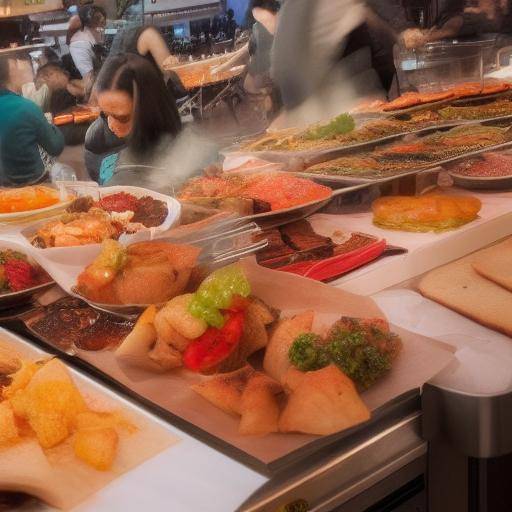
The Holy Week in Seville is not only a spiritual celebration, but also an occasion to enjoy exquisite typical dishes that reflect the culinary identity of the region. The Holy Week dishes are a delicious blend of traditional flavors, local ingredients and cooking techniques transmitted generation after generation.
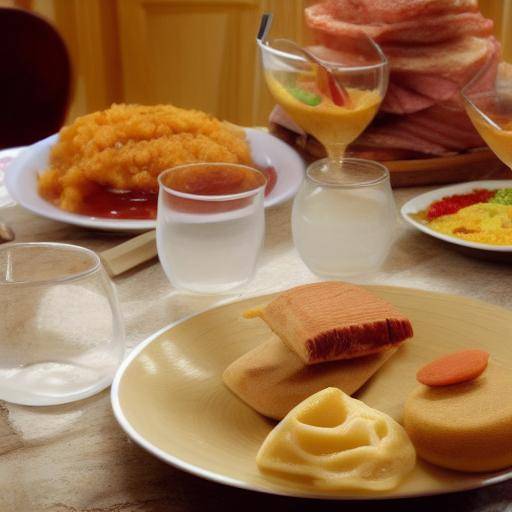
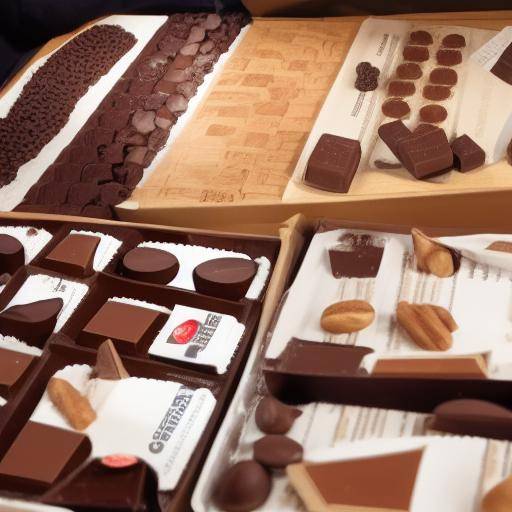
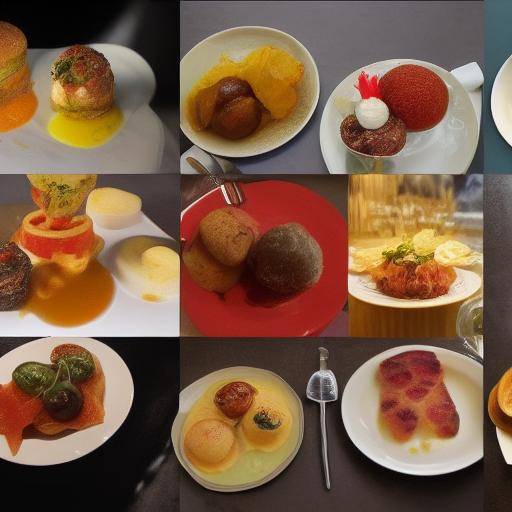
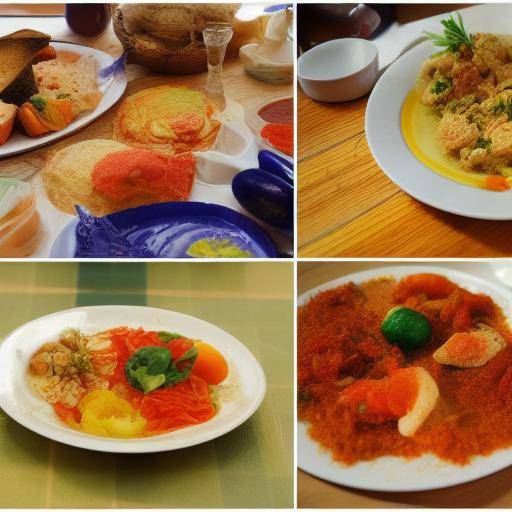
During Holy Week, it is common to enjoy dishes such as torrijas, pestiños, potajes de garbanzos, thorns with chickpeas, "bacalao" encebollado, and other delights that fill the sevillanas tables. These dishes are not only a feast for the palate, but also have a symbolic and profound cultural meaning that reflects the history and tradition of the region.
Typical Recipes of Holy Week in Seville
- Torrijas: Made with bread, milk, egg, sugar and cinnamon, torrijas are a sweet delight that is traditionally consumed during Holy Week in Seville. The secret is to pack the bread in milk, fry it and then bounce it in sugar and cinnamon, achieving a soft dessert inside and crispy out.
- Pestiños: These fried fries shaped like rombo are all exquisite during Holy Week in Seville. Made with flour, oil, sugar, anise and honey, the pestiños are a true delight that combines the crispy, sweet and aromatic in a single bite.
- Garbanzos: This dish consists of chickpeas cooked with spinach, cod, hard egg, and a cumin touch. It is a traditional stew that provides the comforting and nutritious flavors expected during Holy Week.
Traditions and Culinary Diversity of Holy Week in Seville
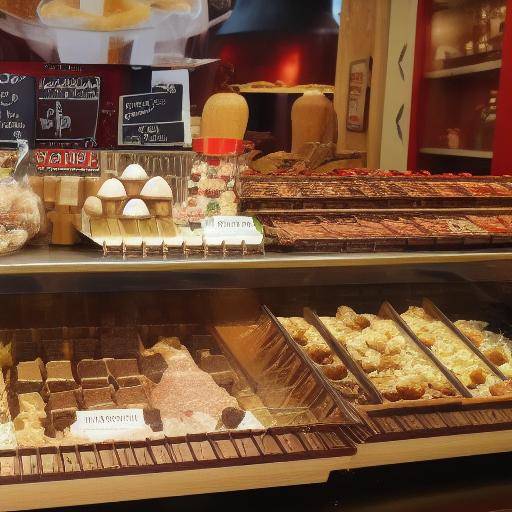
The gastronomic wealth of Holy Week in Seville goes beyond the dishes mentioned. There is also a variety of sweets, cakes, and drinks that are an integral part of this religious festival. Seville’s pastries and bakeries are filled with special products, some of which are only prepared during this time of year, addThis content continues with the history and importance of Easter in Seville. There are also aspects of the traditions related to the gastronomy that make this festival an incomparable cultural experience.