Introduction
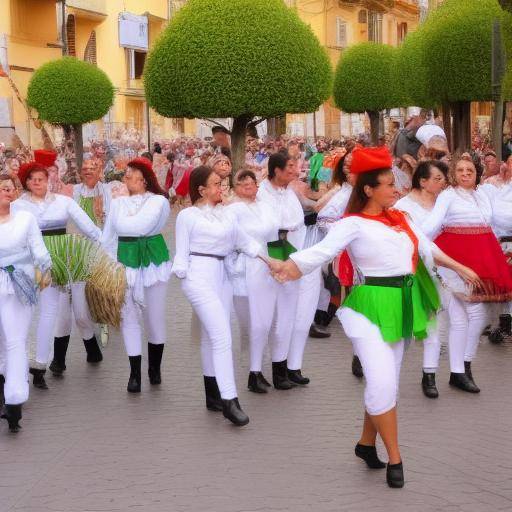
In Spain, celebration is a fundamental part of culture. Throughout the year, this beautiful country hosts a variety of vibrant and colorful parties that reflect the wealth of its history, traditions and people. From religious holidays to extravagant carnivals, Spain prides itself on its festive diversity. In this guide, we will explore the most outstanding fiestas in Spain, its cultural importance, its evolution over time and how these holidays continue to captivate locals and visitors alike.
History and Background
The fiestas in Spain have deep historical roots dating back centuries. From the celebrations that honor the saints to the pagan events dating from ancient times, each festival has a fascinating history that reveals the influence of different cultures over time.
Much of the Spanish holidays have religious roots, such as Holy Week, which commemorates the passion, death and resurrection of Jesus Christ. This celebration, which has its origins in the 16th century, has become one of the most important and popular in Spain, with magnificently elaborated processions and an atmosphere of devotion and tradition that attracts millions of people every year.
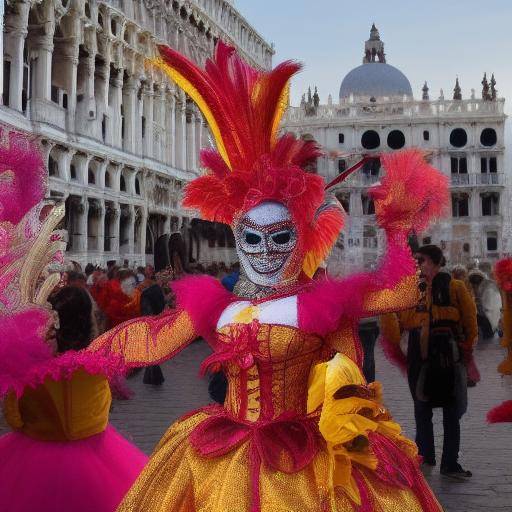
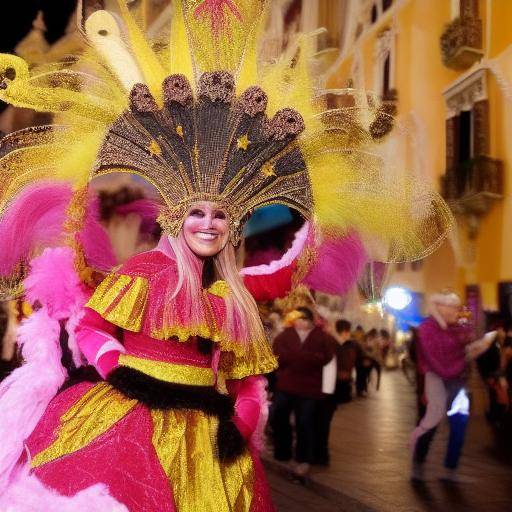
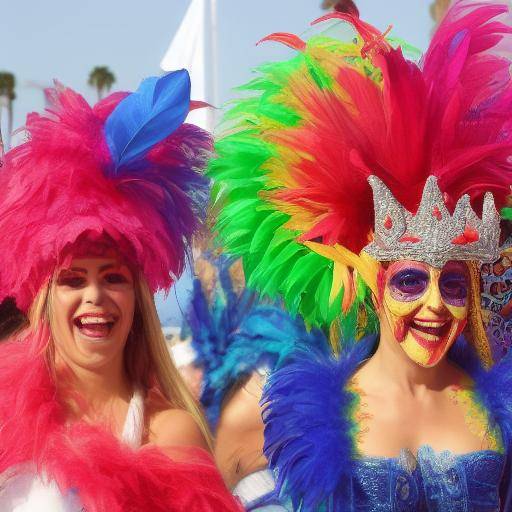
In addition to religious festivities, Spain is also famous for its carnivals, where extravagance and joy are overflowing in the streets. The Carnival of Santa Cruz de Tenerife and Cadiz are two of the most outstanding, with parades of costumes, music, dance and competitions of chirigotas that reflect the vitality and fun that characterize these festivities.
In the secular sphere, bullfighting and fairs, such as the Feria de Abril in Seville, are events that form part of the identity of Spain and that attract visitors from around the world in search of authentic and exciting experiences.
Analysis in Deep
The holidays in Spain are not only a cultural expression, but also an important economic engine for the country, especially in the regions where these celebrations have a significant impact on tourism and local trade. According to data from the National Institute of Statistics, the festivities in Spain attract millions of tourists every year, generating income in sectors such as hospitality, gastronomy, retail and entertainment.
However, despite economic benefits, parties also pose challenges at both the organizational and social levels. The management of large crowds, the impact on the environment, the preservation of traditions against the evolution of customs and the guarantee of security for all attendees are topics that require meticulous planning and coordination.
At present, the parties have experienced significant changes, adapting to the demands of a constantly evolving society. The incorporation of new technologies, the expansion of cultural supply and the diversification of the participating publics are aspects that have marked a transformation in the way these traditional festivities are celebrated.
Detail
The festivals of Spain are not only events of great cultural relevance, but also offer valuable lessons in the management of events and the promotion of tourism. Studies carried out by tourism experts highlight the importance of preserving the authenticity and identity of the parties while seeking innovative formulas to attract an increasingly diverse and demanding audience.
In this sense, strategies have been implemented ranging from digital promotion and the creation of personalized experiences to the internationalization of certain festivities, thus attracting visitors from different parts of the world. Similarly, an emphasis has been placed on sustainability, with the introduction of more environmentally friendly practices and the promotion of responsible tourism as fundamental pillars for the future of the holidays in Spain.
Comparative analysis
When comparing the fiestas of Spain with those of other countries, the singularity and diversity that characterize the Spanish celebrations are evident. While some countries have similar festivities in terms of religious or seasonal themes, the cultural particularities of Spain, its entrenched traditions and the intensity of its celebrations make the holidays in this country unique and attractive to visitors from around the world.
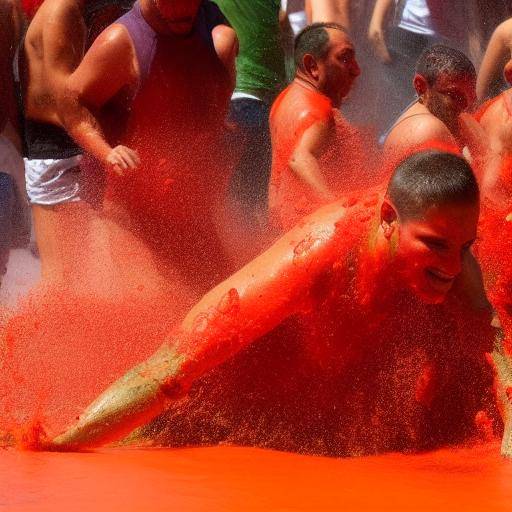
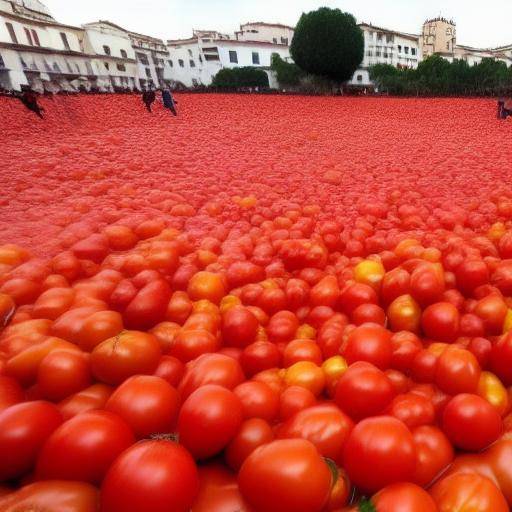
Moreover, at the national level, the differences between the different regions of Spain in the festivities are remarkable. Each autonomous community has its own festivities that reflect its history, customs and idiosyncrasy. From the flaws of Valencia to the fair in Malaga, passing through the Tomatina in Buñol, the diversity of the Spanish holidays is a reflection of the country's cultural wealth.
Practical Tips and Useful Recommendations
If you are planning to visit Spain during any of your holidays, here are some practical recommendations that will be useful to you:
- Plan in advance: The holidays in Spain tend to attract crowds, so it is important to make sure you have accommodation, transportation and reservations in advance.
- Dive into local culture: Take the opportunity to get to know the local traditions, the typical gastronomy and the customs of the holidays. Participating in programmed activities will allow you to experience the authenticity of celebrations.
- Respect for norms and traditions: Be sure to familiarize yourself with the customs and specific rules of each holiday in order to enjoy the most of the experience and show consideration to the locals.
- Environmental care: It contributes to the conservation of the environment during the holidays, following the indications of the local authorities and avoiding practices that can damage the environment.
- Stay informed: See the official programming of the holidays, as well as the safety recommendations and the restrictions that may be in place during the celebrations.
Industry ideas and perspectives
We have talked with experts in tourism and event management to get their ideas and perspectives on the future of the holidays in Spain. According to them, the approach to sustainability, the integration of digital experiences and the diversification of cultural supply are trends that will continue to mark the course of the festivities in the country. In addition, they highlight the importance of preserving traditions while promoting innovation to continue attracting diverse and demanding audiences.
Case Studies and Practical Applications
An outstanding case in the field of festival management is that of the Feria de Abril in Seville, which has managed to combine the Sevillian tradition with a modern approach in the organization of the event. The introduction of innovative proposals, such as the inclusion of cultural and gastronomic activities parallel to traditional celebrations, has helped to attract a wider and diverse audience, generating a positive impact both locally and internationally.
Future Trends and Predictions
With the advancement of technology and globalization, the holidays in Spain are likely to experience greater internationalization, attracting visitors from different parts of the world. The integration of elements of augmented reality, the personalization of experiences and the opening to the active participation of visitors could be aspects that mark the future of the holidays in Spain, while maintaining the essence and authenticity that characterize them.
Conclusion and Frequently Asked Questions
Throughout this guide, we have explored the most outstanding holidays in Spain, its history, its evolution, its challenges and opportunities, as well as the trends that will mark its future. The holidays in Spain are not only a celebrity of culture, but also a source of inspiration, fun and learning for those who have the opportunity to participate in them.
Frequently asked questions
**1. What are the best known parties in Spain?**The most famous festivals include Easter, the Carnival of Santa Cruz de Tenerife, the Feria de Abril in Seville, the Fallas de Valencia, the Tomatina in Buñol, among others.
**2. What is the best time to visit Spain during your holidays?**The choice of the time will depend on the festivities you want to experience. Holy Week is celebrated in spring, carnivals usually take place in February, while many popular holidays and celebrations are held during the summer.
**3. What are the typical dishes that can be enjoyed during the holidays in Spain?**During the holidays in Spain, you can enjoy a variety of culinary delicacies, including from traditional dishes such as paella, gazpacho and tapas, to typical sweets such as chocolate churros.
**4. Can you participate in the holidays as a foreigner?**Of course! The Spanish holidays are usually very welcoming and open to the participation of people from different parts of the world. Often, special activities are organized for visitors, which allows you to enjoy the experience in an integral way.
**5. What is the cultural importance of the holidays in Spain?**The festivities in Spain play a key role in preserving and transmitting the culture, traditions and identity of the different regions of the country, while contributing to the strengthening of the sense of community and belonging.
**6. What security measures are implemented during the holidays in Spain?**Local authorities often deploy a comprehensive security device during the holidays to ensure the well-being of attendees. It is important to follow the indications and recommendations issued by the authorities to enjoy the celebrations safely.
Conclusion
In short, the holidays in Spain are a vibrant reflection of their history, traditions and cultural diversity. From the great religious celebrations to the spectacular carnivals, these holidays are a unique opportunity to immerse themselves in the wealth of Spanish culture. Whether enjoying the passion of Holy Week, the joy of Carnival or the vitality of the regional holidays, each celebration offers an unforgettable experience that resonates in the hearts of those who have the privilege to participate in them.
Throughout this guide, we have explored not only the most emblematic festivities of Spain, but also its cultural significance, its evolution, challenges and opportunities, as well as the trends that will mark its future. The holidays in Spain are not only a celebration of culture, but also a source of inspiration, fun and learning for those who have the opportunity to participate in them.
We encourage you to explore the wealth of the Spanish holidays and immerse yourself in these unforgettable experiences that capture the very essence of Spain!