Easter is one of the most emblematic celebrations of Spanish culture, and in no other city has a deeper meaning than in Seville. Over the centuries, Holy Week has been rooted in the traditions and legends of this captivating city, creating a unique legacy that lasts until today. In this article, we will explore the fascinating origin of Holy Week in Seville, its traditions rooted in history, as well as the legends that have shaped this iconic celebration.
Introduction
The Holy Week, known for its splendour and touching production, is the time of the year in which Seville awakes with an incomparable fervor. Millions of people from around the world come to the city to witness the impressive processions, the melodies of saetas that fill the air and the scent of azahar that permeates the streets. However, in order to fully understand the magnitude and emotiveness of this celebration, it is essential to enter its history, rooted in the very essence of the city.
History and Background
The history of Holy Week in Seville dates back to the time of the Reconquest, when the city was recovered by Fernando III in 1248. Since then, the devotion and passion of the Sevillians for this celebration has been perpetuated throughout generations, merging spirituality with artistic and cultural manifestation. The creation of sisterhoods and brotherhoods, in charge of the organization of processions, marked a milestone in the evolution of Holy Week, making it a collective expression of faith and tradition.
During the later centuries, the Holy Week of Seville experienced significant changes and evolutions, influenced by historical events, artistic movements and interaction with other cultures. The fusion of Gothic, Renaissance and Baroque elements in processions and processional steps gave the Holy Week of Seville an incomparable aesthetic wealth, making it an authentic outdoor museum that captivates all its visitors.
Deep analysis
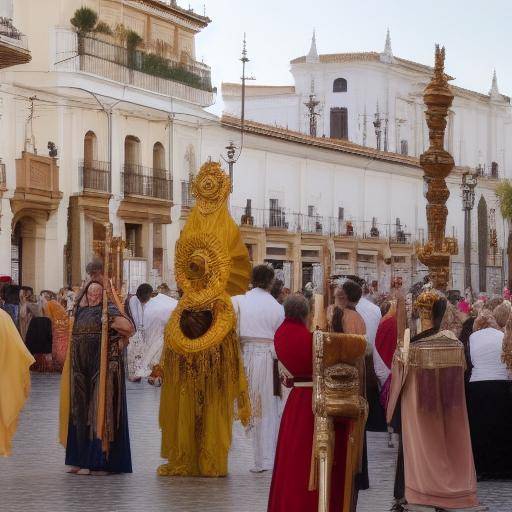
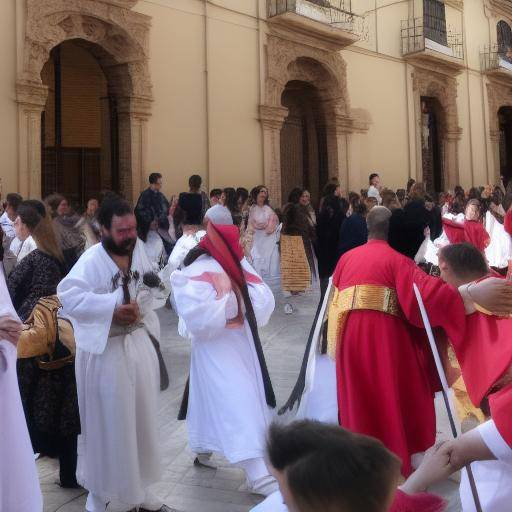
The Holy Week of Seville not only represents a religious celebration of great roots, but also a cultural phenomenon of international relevance. Each year, preparations for Holy Week begin long before the date arrives, involving the entire city in a process of meticulous elaboration and devotion. Sisters work in silence throughout the year so that every detail of the processions is impeccable, from the garments of the Nazarenes to the ornamentation of the steps, thus transmitting their deep tradition and faith through generations.
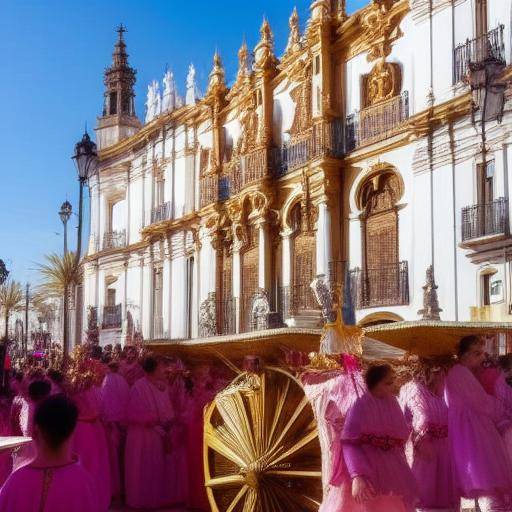
The processions, which travel through the cobbled streets of Seville, are accompanied by the sound of the drums and the cantic of saetas, creating a unique atmosphere that touches those who have the fortune to witness it. This spectacle is not only a manifestation of faith, but also an artistic expression that merges music, sculpture, goldsmiths and floral art, making the Holy Week of Seville a cultural event of great relevance.
Comprehensive review
The Seville Holy Week is a unique phenomenon that has inspired artists, writers, filmmakers and musicians throughout the centuries. Its impact on the identity of the city is undeniable, influencing historical narrative, architecture, gastronomy and local customs. The preservation of traditions and legends linked to this celebration is a priority for the Sevillians, who have managed to convey their legacy from generation to generation, thus preserving the very essence of Holy Week.
Holy Week in Seville is much more than an annual event; it is an immaterial heritage that has transcended borders and that influences the collective imagination of humanity. Every time a processional step slowly advances through the streets of Seville, a story that connects the past with the present, joining people in a celebration that transcends time and space, thus cementing the legacy of a city that has managed to preserve and enrich its traditions over the centuries.
Comparative analysis
By comparing the Holy Week of Seville with other similar celebrations in Spain and the world, the uniqueness of this festival is revealed in terms of its magnitude, organizational complexity and its deep connection with the cultural identity of the city. Although it shares common elements with other religious celebrations, such as liturgical processions and acts, the Holy Week of Seville is distinguished by its artistic approach and its monumental dimension, which have made it an indisputable reference to the immaterial cultural heritage of humanity.
The combination of historical, artistic and spiritual elements in the Holy Week of Seville reveals an amalgam of influences that have enriched it over time, making it a collective manifestation of the identity and essence of the city itself.
Practical Tips and Accessible Recommendations
If you plan to live the experience of Easter in Seville, we recommend preparing you to immerse yourself in a torrent of unique emotions and sensations. Here are some practical tips to make the most of this celebration:
- Plan your visit in advance: Easter attracts a large influx of visitors, so it is important to plan your accommodation, transportation and activities in advance during your stay in Seville.
- Take part in the observation of the processions: Do not miss the opportunity to witness the processions at different points of the city to appreciate the variety of steps, musical bands and artistic manifestations that happen throughout the week.
- Explore local gastronomy: Take the opportunity to taste the exquisite Sevillian cuisine, which offers a wide range of traditional dishes and culinary delights that will complement your experience of Holy Week.
Conclusions and FAQs
In conclusion, the Holy Week in Seville is much more than a religious celebration; it is a symbol of identity, devotion and art that has transcended borders and continues to captivate those who have the opportunity to experience it. From its historical roots to the magnificent processions, the Holy Week in Seville is a living legacy that deserves to be appreciated and preserved for future generations.
Frequently asked questions
What is the historical origin of Holy Week in Seville?
The Holy Week in Seville has its roots at the time of the Reconquest, when the city was recovered by Fernando III in 1248. Since then, devotion and fervor for this celebration have been maintained over the centuries, creating a unique legacy.
What are the most emblematic traditions of Easter in Seville?
Among the most outstanding traditions are the processions of the brotherhoods and brotherhoods, the singing of arrows, the ornamentation of the procedural steps and the liturgical celebrations in the churches of the city.
What is the cultural impact of Holy Week in Seville?
The Holy Week of Seville has significantly influenced the cultural identity of the city, permeating the architecture, music, gastronomy and local customs, becoming an indisputable reference to the immaterial cultural heritage of humanity.
How can I participate in Holy Week in Seville as a visitor?
If you plan to visit Seville during Holy Week, we recommend that you know the dates and times of the processions, as well as explore the accommodation and transportation options in advance to enjoy this celebration completely.
What is the role of sisterhoods and brotherhoods in the Holy Week of Seville?
Brotherhood and brotherhood play a crucial role in organizing and coordinating processions, as well as in preserving traditions and heritage linked to this celebration.
What is the best way to experience Easter in Seville?
To fully live Holy Week in Seville, we recommend you to participate in the observation of the processions from different points of the city, explore local cuisine and enjoy the cultural and liturgical activities that accompany this celebration.
In short, the Holy Week in Seville is a unique phenomenon that merges devotion, tradition and art in a collective expression that has transcended time and space, consolidating itself as a cultural heritage of incalculable value. From its historical origins to its impact on the identity of the city, the Holy Week in Seville shines as a living legacy that continues to captivate anyone who has the privilege to witness it.