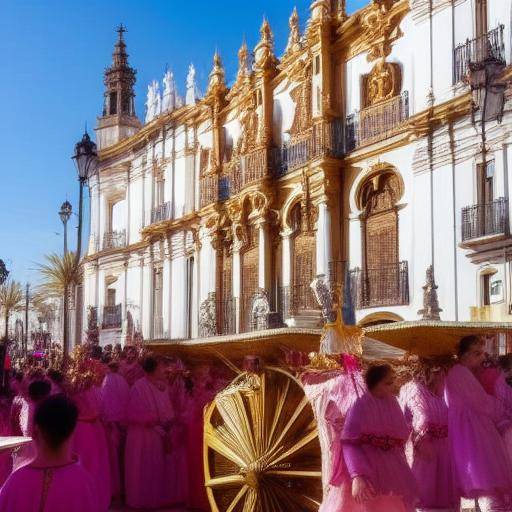
Holy Week is a moment of deep devotion, solemn music and celebrations rooted in Hispanic culture. During these days, the streets resonate with processions, songs and the exciting echo of musical instruments. In this article, we will explore the rich relationship between Holy Week, music and culture, from its historical origins to current trends and future projections.
Introduction
Holy Week, also known as "Major Week" in some Spanish-speaking countries, is a religious celebration that commemorates the passion, death and resurrection of Jesus Christ. For millions of people around the world, this period represents a moment of spiritual reflection and religious fervor. However, Holy Week would not be complete without the fundamental role of music in this event, which accompanies processions, enriches ceremonies and unites communities in a shared sense of devotion. Throughout this article, we will explore the intrinsic connection between Holy Week, music and culture, revealing how these artistic manifestations have evolved, enriching the experience of the celebration.
History and Background
The history of Holy Week dates back to ancient times, with roots intertwined with multiple cultural traditions. From its origins in Jewish tradition to its spread in Christian communities, Holy Week has experienced a remarkable evolution over the centuries. In line with this historic development, music has played a crucial role in the configuration and expression of religious practices associated with this celebration.
The first musical manifestations of Holy Week were closely linked to liturgical and antiphonic songs that accompanied the ceremonies. Over time, these musical expressions were enriched by the introduction of instruments such as drums, trumpets and organs, which added an emotional and sensory dimension to liturgical processions and acts. This development led to the creation of a vast repertoire of musical compositions specifically conceived for Holy Week, which have further enriched the spiritual and cultural experience of this celebration.
Deep analysis
In addressing Holy Week from a more analytical perspective, it is essential to recognize the transformative role of music in the experience of this festival. Music not only provides a sound accompaniment to liturgical acts, but also provides an emotional vehicle that connects directly with the devotion and fervor of the participants. These musical manifestations, often rooted in local and regional traditions, offer a unique artistic expression of the spirituality and cultural identity of the communities that practice them.
Also, the music of Holy Week transcends the religious sphere, becoming a cultural legacy that is transmitted from generation to generation. The compositions and melodies associated with this celebration represent an intangible heritage of incalculable value, which has left an indelible mark on the musical diversity of Hispanic peoples. In addition, the influence of Holy Week music extends beyond the purely spiritual, exerting a significant impact on the artistic and creative sphere of contemporary culture.
Comprehensive review
The relationship between Holy Week, music and culture goes beyond mere coexistence; it constitutes a symbolic intertment of artistic expressions that enrich and shape the identity of the communities that celebrate them. The music of Holy Week, thanks to its entrenched connection with religious devotion and cultural expression, has left a lasting mark on the history and tradition of Hispanic history. This bond, strengthened over the centuries, continues to inspire new artistic perspectives and manifestations that enrich and shape the identity of the communities that celebrate them. The music of Holy Week, thanks to its entrenched connection with religious devotion and cultural expression, has left a lasting mark on the history and tradition of Hispanic history. This bond, strengthened throughout the centuries, continues to inspire new artistic perspectives and manifestations that keep alive the essence and fervor of this celebration.
Comparative analysis
The comparison between Holy Week, music and culture allows us to appreciate the intricate interconnections that exist between these elements. Holy Week, as a religious celebration, transcends geographical and linguistic boundaries, joining people of different origins in the same spirit of devotion. Likewise, the music associated with this festival, although diverse in its forms and expressions, serves as a guiding thread between the different local traditions, enriching the collective experience of Holy Week.
As for culture, Holy Week and its music represent an intangible heritage that is preserved and transmitted through generations, enriching the cultural heritage of the communities. The festive practices, religious songs and artistic expressions associated with Holy Week constitute a cultural legacy that imprints a hallmark on the identity of many populations, transcending the purely religious sphere to become a pillar of cultural and folk expression.
Practical Tips and Accessible Recommendations
For those who wish to immerse themselves in the experience of Holy Week, it is essential to understand the importance of music in this festival, and how it enriches the experience of the religious and cultural events associated with it. Taking into account the following tips can facilitate greater appreciation and understanding of the relationship between Holy Week, music and culture:
- Find information about the musical traditions of Holy Week in different regions, exploring the diversity of artistic manifestations linked to this celebration.
- Participate in Holy Week processions and ceremonies that incorporate musical expressions, paying attention to the way music contributes to the emotional and spiritual atmosphere of the event.
- Investigate the history and meaning of traditional musical compositions of Holy Week, discovering the cultural and religious context around them.
- Explore the influence of Holy Week music in contemporary artistic manifestations, observing how it has evolved and adapted to different cultural and creative contexts.
Industry Perspectives and Expert Reviews
The perspectives of the industry and the opinions of experts regarding the music of Holy Week reflect the profound cultural and spiritual relevance of these musical expressions. Recognized composers, musicians and scholars of folklore and the Spanish tradition have highlighted the uniqueness and artistic value of the music associated with Holy Week, emphasizing its ability to move and transcend cultural and linguistic barriers.
According to experts, Easter music awakes deep emotions and generates an intimate connection between faith, culture and musical creativity. Its impact endures over time, inspiring new compositions, arrangements and interpretative approaches that keep its relevance alive in the contemporary musical landscape. It also highlights the importance of preserving and disseminating these musical manifestations as cultural heritage, thus enriching the cultural and spiritual diversity of the Hispanic world.
Case Studies and Practical Applications
Case studies that examine the impact of Holy Week music provide concrete examples of how these sound expressions influence the experience of religious and cultural celebration. From the traditional melodies interpreted during the processions to contemporary compositions that reinterpret religious themes, case studies show the ability to transform the music of Holy Week for its participants and audiences.
Also, the practical applications of Holy Week music transcend their purely religious sphere, covering a wide spectrum of educational and cultural resources. Music workshops, festivals, historical recordings and documentaries are some of the ways in which these musical expressions spread, preserve and enrich, contributing to the understanding and appreciation of the cultural and spiritual diversity that characterizes Holy Week.
Future Trends and Predictions
In a context of cultural and social evolution, future trends related to the music of Holy Week point to greater diffusion and appreciation of this musical heritage. It is expected that the integration of new digital technologies and platforms will promote the dissemination of these musical expressions, reaching wider audiences and consolidating their relevance in a global field. Further emphasis is also expected on the preservation and documentation of musical traditions associated with Holy Week, promoting their study and appreciation in academic and cultural fields.
On the other hand, the creation of new musical compositions inspired by Holy Week and the promotion of innovative artistic proposals will help to enrich and expand the musical repertoire associated with these festivals. These trends reflect the dynamism and vitality of the music of Holy Week in a contemporary context, demonstrating its ability to adapt, renew and continue to move to the generations to come.
Conclusions
In this journey through the intrinsic relationship between Holy Week, music and culture, we have explored historical evolution, cultural and spiritual impact, practical applications and future trends of these artistic manifestations. Holy Week, enriched by the emotivity of its music and rooted in the cultural diversity of the Hispanic world, is a legacy of profound transcendence that persists in time.
As we say goodbye to this journey through the sounds of Holy Week, it is essential to recognize the importance of preserving and spreading this intangible heritage, honoring its value as an expression of cultural and spiritual identity. Through music, Holy Week transcends the barriers of time and space, joining us in a shared celebration that enriches our spiritual and cultural life.
Frequently asked questions (FAQs)
What is the historical origin of Holy Week music?
The music of Holy Week finds its roots in the liturgical and festive practices of Christian tradition, incorporating elements of different cultural traditions throughout the centuries. This musical legacy has been enriched with contributions from composers and musicians with deep religious devotion, forming a diverse and significant repertoire.
To what extent does Holy Week music contribute to the spiritual experience of the celebration?
Holy Week music plays a fundamental role in enriching the spiritual dimension of the celebration, offering an artistic and emotional expression that directly connects with the feelings of devotion and religious fervor. His melodies and letters, rooted in religious tradition, accompany and enrich the liturgical acts and ceremonies associated with this festival.
What influence does Easter music have in the cultural expression of the Hispanic communities?
Easter music represents a cultural legacy of incalculable value, marking the identity and artistic expression of the Hispanic communities. His melodies, rhythms and musical traditions have left a lasting mark on the musical diversity of Hispanic peoples, enriching the cultural and spiritual experience of Holy Week.
What are future trends related to Easter music?
More dissemination and appreciation of the global Easter music is expected thanks to the integration of new digital technologies and platforms. In addition, innovative artistic proposals are expected to enrich and expand the musical repertoire associated with these festivities, demonstrating their ability to adapt and renew themselves in a contemporary context.
How can you contribute to the preservation and diffusion of Holy Week music?
Contributing to the preservation and diffusion of Holy Week music means appreciating, studying and evaluating these musical expressions as intangible cultural heritage. This can be achieved through supporting educational initiatives, promoting research and documentation of these musical traditions, and active participation in events and activities that promote their appreciation and transmission.
What is the importance of Easter music in the contemporary world?
In the contemporary world, Holy Week music continues to play a significant role in the spiritual, cultural and artistic expression of the celebration. Its ability to move, transcend and unite communities in the same spirit of devotion and religious fervor distinguishes it as a living and relevant cultural legacy that enriches the cultural and spiritual diversity of the Hispanic world.
In deepening into this exciting link between Holy Week, music and culture, we have discovered the spiritual, emotional and cultural richness that these artistic manifestations bring to our lives. Through music, Holy Week finds its echo in the heart and identity of the Hispanic communities, transcending the barriers of time and space to inspire, excite and unite in a shared celebration that lasts throughout the centuries.