Holy Week is a Christian festival commemorating the Passion, Death and Resurrection of Jesus Christ. Over the centuries, it has become a celebration rooted in many cultures and regions, with unique traditions and a deep symbolic burden. In this article, we will explore the origin of Holy Week, its traditions and legends, focusing on its history and its roots in the city of Seville.
Introduction
Holy Week is one of the most important celebrations for the Christian community, marked by rituals, processions and manifestations of faith that have been transmitted from generation to generation. In Spain, and particularly in the city of Seville, the Holy Week acquires a special dimension, becoming a cultural and religious event of great relevance.
In this article, we will explore the historical origin of Holy Week, its deeply rooted meanings in religious and cultural history, and the legends that have enriched this festival over time.
History and Background
The history of Holy Week dates back to the first centuries of Christianity, when the first followers of Jesus began to commemorate their Passion, Death and Resurrection. Over the years, these commemorations were consolidated in what we know as Holy Week, influenced by Jewish traditions and pagan spring festivities.
Religious fervor and popular devotion made Holy Week acquire a profound meaning in the life of the communities, becoming a moment of recollection, reflection and spiritual renewal. In Seville, the celebration of Holy Week was enriched with elements of Andalusian culture, leading to a unique and emblematic manifestation.
Analysis in Deep
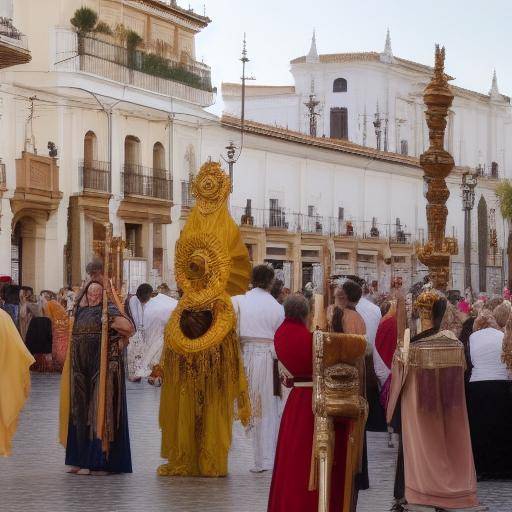
Holy Week is not only an expression of faith, but also a social and cultural phenomenon that has evolved over the centuries. At present, processions, religious images and sacred music are part of a living tradition that continues to capture the imagination of locals and visitors.
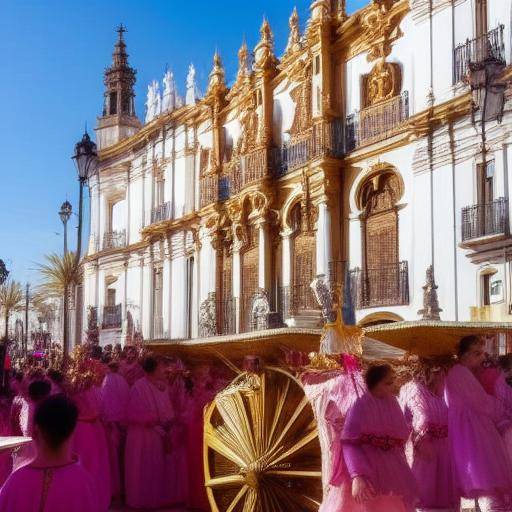
The celebrations of Holy Week in Seville offer a unique experience, where aesthetics, devotion and crafts are intertwined to create a touching and solemn atmosphere. Each brotherhood, or brotherhood, with its artistic heritage and historical legacy, contributes to the richness of this celebration.
Comprehensive review
In addition to its spiritual significance, Holy Week also has a significant economic and tourist impact. The influx of national and international visitors during these dates reflects the universal attractiveness of this festival, which transcends borders and beliefs.
Compared to other similar celebrations in Spain, the Holy Week of Seville stands out for the solemnity of its processions, the beauty of its steps and the emotional intensity that awakens in those who participate in it.
Comparative analysis
The experience of Holy Week in Seville is distinguished by its unique character, compared to other celebrations in the country. While some cities emphasize pomp and majesty, Seville highlights sobriety and emotional intensity. Each brotherhood has its own style and maintains a close connection with its historical and spiritual roots.
When comparing the Holy Week in Seville with other similar celebrations in Spain, it shows its uniqueness and the cultural roots that make it particularly shocking.
Practical Tips and Accessible Recommendations
If you want to experience Easter in Seville, it is advisable to plan ahead and get acquainted with the different sisterhoods and their tours. During these dates, the city is filled with visitors, so it is important to provide accommodation and transportation in advance.
In addition, it is desirable to respect local traditions and to participate with respect and consideration in religious processions and acts. The artistic and devotional grandeur of Holy Week in Seville makes it a unique and unforgettable experience. The city offers an atmosphere full of emotion and solemnity, where visitors can immerse themselves in a millennial tradition that transcends the purely religious.
Visions and Views of Industry Experts
According to experts on cultural and religious heritage, the Holy Week of Seville is an immaterial heritage of incalculable value, which must be preserved and disseminated with responsibility and respect.
The aesthetic and emotional richness of the processions, together with the popular fervor, bear witness to the ability of Holy Week to bring together people from different fields and generate a sense of community and shared belonging.
Case Studies and Practical Applications in Real Life
An outstanding example of the influence of Holy Week in everyday life is crafts and trade related to this festival. The elaboration of badges, candles, embroideries and other elements used in the processions is a major economic and cultural activity in Seville.
In addition, the restoration and preservation of religious images and procedural steps involve numerous artisans and specialized technicians, which contributes to the sustainment of centuries-old artistic traditions.
Future Trends and Predictions
As the world evolves, Holy Week faces challenges and opportunities that will influence its future development. The preservation of cultural heritage, the adaptation to the expectations of new generations and the sustainable management of tourism constitute fundamental aspects to be taken into account in order to ensure the continuity and relevance of this celebration.
It is expected that, as society changes, the Holy Week will adapt to its essence, but integrating contemporary aspects that contribute to its validity and transmission to the generations to come.
Conclusion
The Holy Week, with its profound historical roots, rooted traditions and spiritual significance, continues to be a beacon of devotion and cultural expression. In Seville, this celebration acquires a unique dimension, enriched by the tradition, emotion and artistic heritage that distinguish it.
If you have the opportunity to experience Holy Week in Seville, you will find yourself immersed in a moving experience that will allow you to appreciate the devotion, crafts and solemnity of one of the most impressive celebrations in the world.
Live Easter in Seville and discover the magic of a centuries-old tradition that endures in the heart of Andalusia!
FAQs
What is the origin of Holy Week?
Holy Week has its roots in the commemoration of the Passion, Death and Resurrection of Jesus Christ, being a celebration rooted in the Christian tradition since the first centuries of the common era.
How is Holy Week celebrated in Seville?
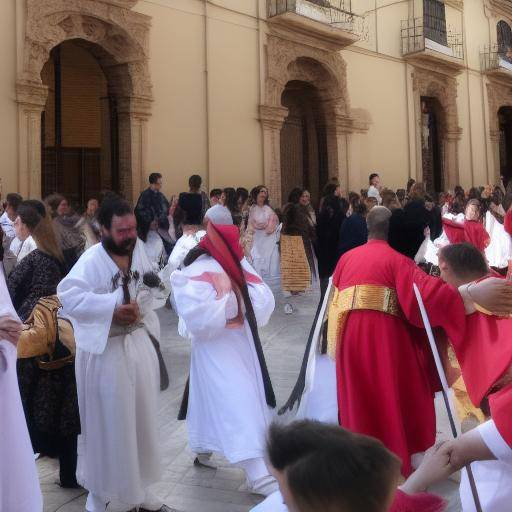
The Holy Week is celebrated in Seville with religious processions, where the different brotherhoods travel through the streets of the city carrying religious images that represent passages of the Passion of Christ.
What is the importance of Holy Week in Sevillian culture?
The Holy Week has a great relevance in Sevillian culture, being a religious, artistic and social manifestation that mobilizes thousands of people and that has shaped the identity of the city over the centuries.
What traditions and legends accompany Holy Week in Seville?
The Holy Week in Seville is marked by traditions such as processions, processions and sacred music, as well as legends related to religious images and the fellowships involved in the celebrations.
What is the difference between Easter in Seville and other parts of Spain?
The Holy Week in Seville is characterized by sobriety, emotional intensity and artistic relevance of its processions, in contrast to other celebrations in Spain that can emphasize pomp and majesty.
What impact does Easter in Seville have on a tourist level?
The Holy Week of Seville attracts a large number of national and international tourists, generating a significant impact on the local economy and fostering cultural exchange.
In summary
Holy Week is a festival that finds in Seville a unique space where devotion, tradition and art intertwine to create a unique experience. The celebration of Holy Week in this Andalusian city is a legacy that transcends the religious sphere, becoming a cultural phenomenon of great relevance.
Throughout the centuries, Holy Week has integrated spiritual, artistic and social elements that make it a journey through the faith, history and identity of a community. The devotion and emotion that awakens this holiday makes it deserving of being experienced at least once in life.
Discover the depth of tradition, legends and emotions that envelop the Holy Week in Seville and be captivated by a celebration that has endured through time!