Easter in Seville is one of the most emblematic celebrations in Spain, attracting thousands of visitors every year. The events and processions that take place during this sacred week offer a unique cultural and religious experience that captures the very essence of the Spanish tradition. In this article, we will explore the rich history and importance of Holy Week in Seville, analyze the most outstanding events and the most significant processions, and we will immerse ourselves in the deep cultural influence that this celebration has in the city. In addition, we will provide practical advice and reveal the future trends of this holiday. Get ready to discover the magic of Easter in Seville!
Introduction
The Holy Week in Seville is much more than a series of religious events, it is an artistic, cultural and emotional manifestation that has led this Andalusian city to the center of the world stage. During this week, Seville dresses with lights, music, incense and fervor, giving participants and spectators a mix of emotions ranging from devotion to awe for the greatness of processions. In this article, immerse yourself in Holy Week in Seville and discover why this celebration remains one of the most relevant in the world.
History and Context
The Holy Week in Seville has its roots in the Catholic religion and has been a prominent event for centuries. Its origins date back to the sixteenth century, when the Sisters began to parade through the streets of the city to commemorate the Passion, Death and Resurrection of Jesus Christ. This act of faith evolved over time, becoming a celebration that combines religious, cultural and artistic elements. Over the years, Holy Week has played a crucial role in the identity of Seville, creating a deep link between its inhabitants and its traditions.
The processions, which are the highlight of Holy Week, have undergone significant changes over the years, incorporating new practices and symbolic elements that reflect the evolution of society. Devotion, respect and devotion are the pillars behind these manifestations, which often trigger deep emotions in participants and spectators, while generating a sense of unity in the community.
Among the most outstanding events of the Holy Week in Seville are the "Pregón", the "Madrugá", the "Holy Monday", the "Holy Seas", the "Holy Wednesday", the "Holy Thursday", the "Holy Friday" and the "Holy Sabbath". Each of these days offers unique experiences, from moments of maximum emotion and fervor to the most solemn and reflective. The shows that take place during these days are the result of careful planning and preparation, and reflect the rich tradition that has characterized Holy Week in Seville for centuries.
Analysis in Deep
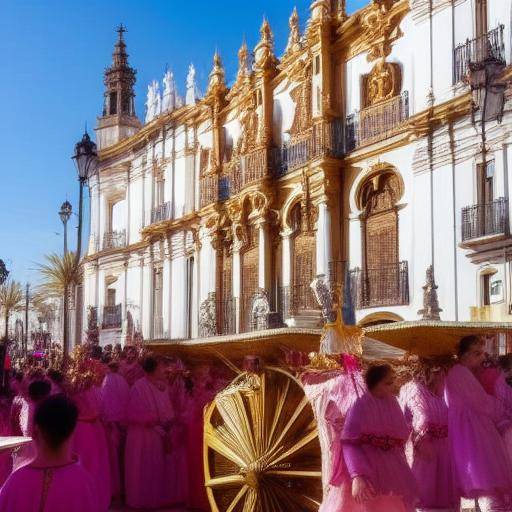
Holy Week in Seville is much more than a series of religious events; it is a cultural phenomenon that encompasses music, art and crafts. During this week, the city becomes a stage for artistic expressions such as "pasos" or "paso" processional, which are true masterpieces of sculpture and religious imagery. These impressive structures, often carried to the shoulders by the "costaleros", represent crucial moments in the life of Jesus Christ and the Virgin Mary, and are the center of attention during the processions.
In addition, music plays a fundamental role in Holy Week, with soundtracks that accompany the Sisters during their journeys, creating a unique atmosphere that adds solemnity and emotion to the events. This combination of artistic and cultural elements not only enriches the experience of viewers but also preserves and promotes the heritage of Seville, fostering the continuity of traditions.
Easter in Seville is also an event of great economic importance for the city, attracting thousands of visitors from around the world. The tourism industry benefits enormously from this celebration, generating employment and contributing significantly to the local economy. Hotels, restaurants, shops and shops in general experience an increase in their activity during this week, demonstrating the positive impact that Holy Week has on the community and on the economic development of the region.
Comprehensive review
The Holy Week in Seville is a celebration that has managed to maintain its relevance over the centuries, adapting to social, cultural and religious changes. However, it is not without challenges. The balance between the preservation of traditions and the need for innovation is a crucial aspect that sisterhoods and local authorities must address. Furthermore, the management of logistics and security during the processions represents a constant challenge that requires careful planning and effective cooperation among all the actors involved.
In terms of current trends, the Holy Week in Seville has experienced greater media attention and increased participation by the international community. This growing visibility has led to an increase in the number of foreign visitors who come to Seville to witness this unique celebration, which in turn has led to the promotion and dissemination of the Sevillian culture globally.
Comparative analysis
By comparing the Holy Week in Seville with other religious or cultural events, it highlights its uniqueness and ability to attract people of different origins and beliefs. Unlike other festivals, the Holy Week in Seville allows visitors to immerse themselves in a multidimensional experience that combines spiritual, artistic and tourist elements. The richness of this celebration lies in its ability to gather people from different cultures around a common heritage.
In terms of cultural events, the Holy Week in Seville is distinguished by its authenticity, roots and transcendence. Over the centuries, the city has preserved and enriched traditions related to Holy Week, transmitting knowledge and skills from generation to generation. The result is a celebration that combines deep devotion with an exceptional artistic expression, making it a unique experience that impacts both locals and visitors.
Practical Tips and Accessible Tips
If you plan to visit Seville during Easter, it is recommended that you plan your trip in advance, especially in terms of accommodation and transportation. Given the large number of visitors coming to the city during this time, the availability of hotels and other services can be reduced. In addition, it is advisable to report on the schedule of processions and events in order to be able to fully enjoy this celebration.
For procession participants, it is recommended to respect established standards of behaviour and clothing. Proceedings are religious events that require proper and respectful behaviour, and it is important to maintain an attitude of consideration towards participants and the environment. Security indications should also be followed to ensure a safe and pleasant experience for all.
Conclusion
The Holy Week in Seville is much more than a religious celebration; it is the culmination of centuries of tradition, devotion and artistic expression that has shaped the identity of the city. The processions, events and cultural manifestations that take place this week offer an unforgettable experience that attracts people from around the world. The Holy Week in Seville is a testimony to the wealth and diversity of Spanish culture, an event that unites the community around its values, traditions and beliefs.
Frequently asked questions
1. What is the story behind Holy Week in Seville?
The Holy Week in Seville has its roots in the Catholic religion and dates back to the sixteenth century, when the Sisters began to parade through the streets of the city to commemorate the Passion, Death and Resurrection of Jesus Christ. Since then, the celebration has evolved, integrating cultural, artistic and tourist elements.
2. What are the highlights during Holy Week in Seville?
The Holy Week in Seville is marked by a series of significant events, such as the "Pregón", the "Madrugá", the "Holy Monday", the "Holy March", the "Holy Wednesday", the "Holy Thursday", the "Holy Friday" and the "Holy Sabbath". Each of these days offers unique experiences, from moments of maximum emotion and fervor to the most solemn and reflective.
3. What is the role of music in Easter in Seville?
Music plays a fundamental role in Holy Week, with soundtracks that accompany the Sisters during their journeys, creating a unique atmosphere that adds solemnity and emotion to the events. In addition, music contributes to enriching the cultural experience of participants and spectators.
4. What is the economic importance of Holy Week in Seville?
Holy Week in Seville is of great economic importance for the city, as it attracts thousands of visitors from around the world. The tourism industry benefits significantly from this celebration, generating employment and contributing to the economic development of the region.
5. What are the current challenges facing Holy Week in Seville?
The preservation of traditions, the management of logistics and security during the processions are some of the current challenges facing Holy Week in Seville. Addressing these challenges requires careful planning and effective cooperation among all actors involved in the celebration.
6. What recommendations can be followed to fully enjoy Holy Week in Seville?
To fully enjoy the Holy Week in Seville, it is recommended to plan in advance the journey in terms of accommodation and transport, to report on the schedule of processions and events, to respect the established rules of behaviour and clothing, and to follow the safety indications during the events.
In short, Easter in Seville is a celebration of great cultural, religious and tourist significance that attracts people from around the world. Its rich history, outstanding events, economic influence and current challenges make it a unique manifestation that deserves to be experienced and valued.