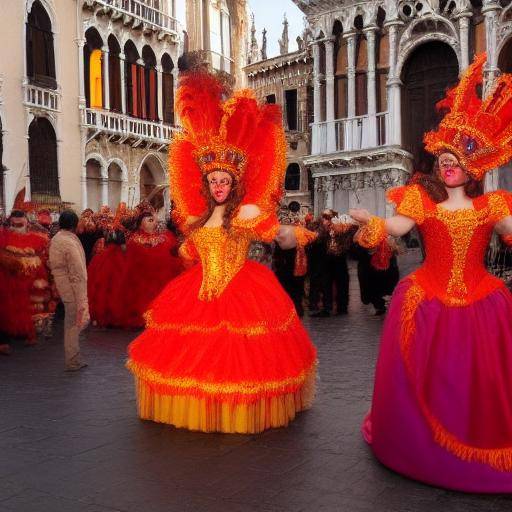
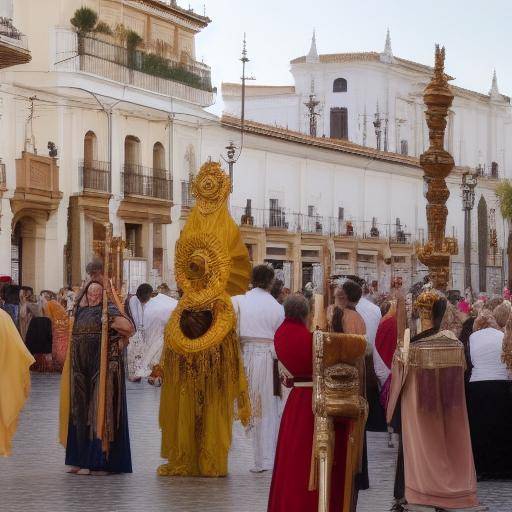
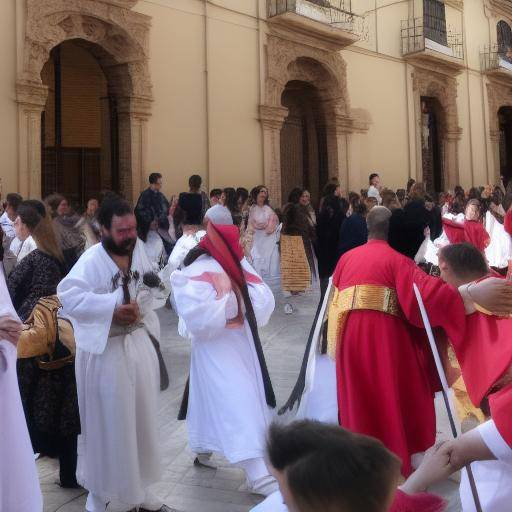
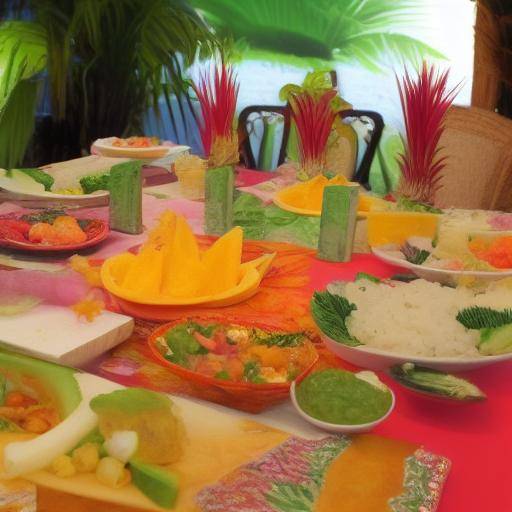
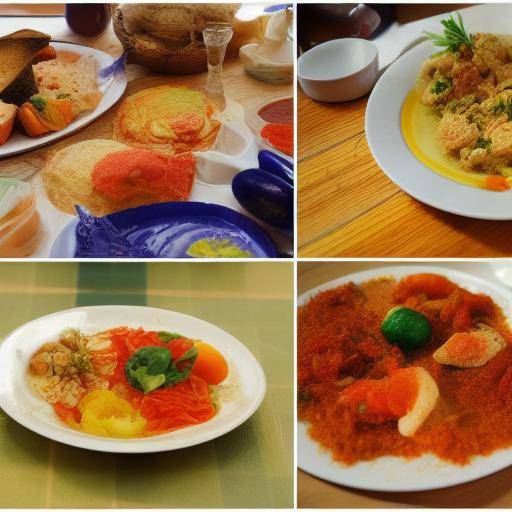
Holy Week is a deeply rooted celebration in Hispanic culture and is characterized by religious rituals, solemn processions, and of course a variety of traditional dishes that reflect the gastronomic wealth of this season. In this article, we will explore the distinctive flavors of Holy Week, including its history, meaning, and the importance of gastronomy in this holiday. In addition, we will offer recommendations to enjoy and prepare these traditional delicacies. If you are interested in discovering the culinary delights of Holy Week and immerse yourself in their traditions, keep reading!
Introduction
Holy Week, also known as the Week, is one of the most significant celebrations in the Spanish-speaking world. During this week, the passion, death and resurrection of Jesus Christ is commemorated, and religious traditions are intertwined with cultural expressions ranging from liturgical ceremonies to the preparation of exquisite typical dishes. Gastronomy plays a central role in this festival, as traditional dishes served at this time are not only a true delight for the palate, but also treasure centuries of history and symbolism. Prepare to discover the unique flavors of Easter.
History and Background
The celebration of Holy Week has its roots in the religious traditions of Christianity, and its observance dates back centuries. In the context of gastronomy, Holy Week not only marks a time of spiritual reflection, but also represents the culmination of Lent, a period of fasting and abstinence that leads to Easter. During Lent, meat consumption is avoided, giving way to the creation of delicious dishes based on fish, vegetables, and other ingredients that are the basis of the culinary delicacies of Holy Week.
The diversity of dishes associated with Holy Week reflects the historical and cultural influences of each region. From the traditional torrijas of Spain to the exquisite chiles in the noga of Mexico, each country and even every home has its own recipes and culinary customs that strengthen the family and community bond during this holiday.
Analysis in Deep
The cultural and gastronomic impact of Holy Week extends beyond the religious and family spheres. In many communities, the preparation of typical dishes for Easter is considered a social and collaborative activity, where traditional recipes and culinary techniques are shared. This collaboration fosters the transmission of knowledge between generations, thus preserving gastronomic and cultural wealth.
At the economic level, Easter represents an important season for the food and tourist industry, as traditional dishes attract local and international visitors interested in experiencing the authenticity of this holiday through its unique flavors.
Comprehensive review
When exploring the cuisine of Holy Week, it is essential to take into account the diversity of ingredients and culinary techniques that make up traditional dishes. From the production of potages and stews to the preparation of desserts such as torrijas, each recipe reflects the creativity and ingenuity of local communities, as well as the influence of culinary traditions inherited from generation to generation. In addition, Easter offers the opportunity to appreciate the wealth of local and seasonal products, thus promoting sustainability and responsible consumption.
Comparative analysis
While Holy Week is a deeply religious celebration, gastronomy awakes a common and transversal interest that transcends cultural and linguistic boundaries. The similarities and differences between traditional Holy Week dishes in different countries offer a rich and varied view of gastronomic diversity, allowing us to appreciate the influence of various ingredients, culinary techniques, and local traditions.
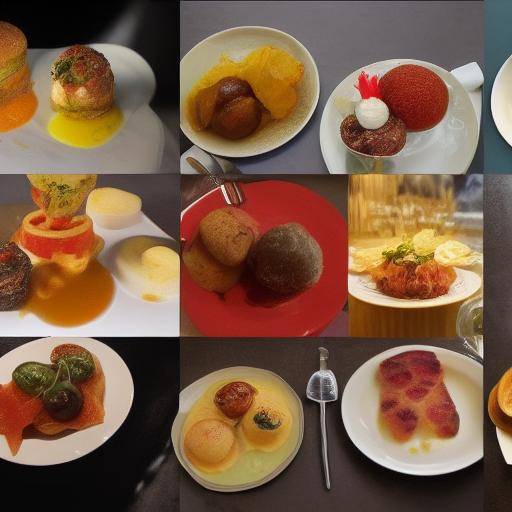
For example, in Spain, garlic soup, cod croquettes, and popular torrijas are an integral part of Easter celebrations. In Mexico, dishes such as chili in nogada, romerito, and fish to the veracruzana are protagonists at the table during this festival. These culinary differences provide the opportunity to explore and appreciate the many facets of the cuisine of Holy Week in different cultures, thus enriching the gastronomic experience.
Practical Tips and Recommendations
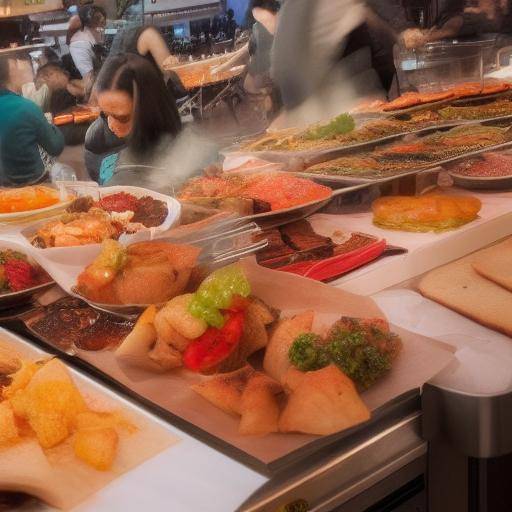
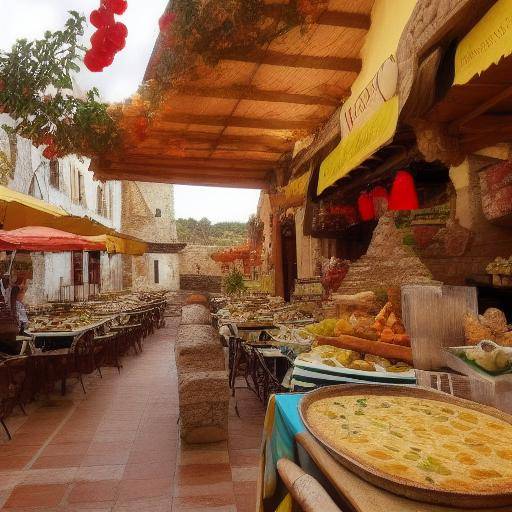
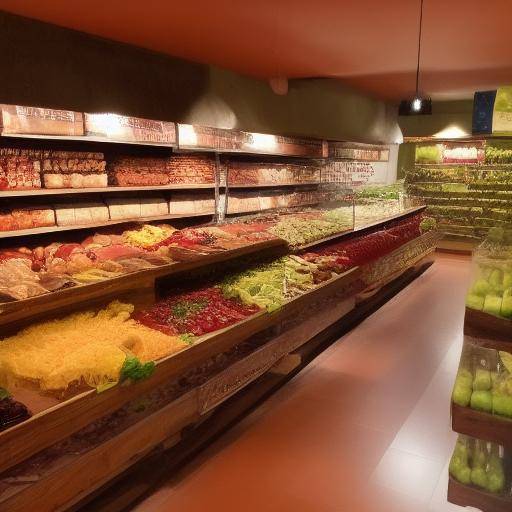
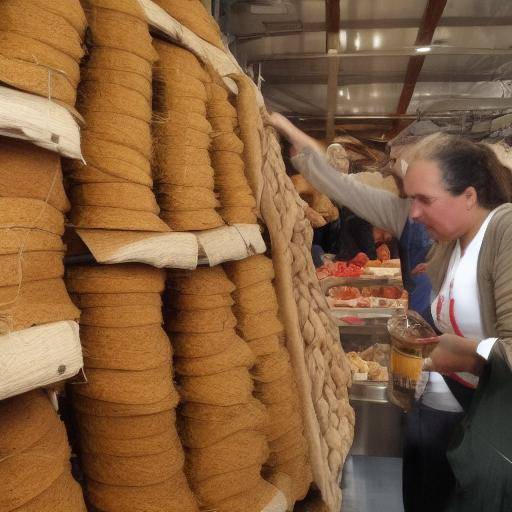
For those who wish to immerse themselves in the culinary experience of Holy Week, it is advisable to explore local markets in search of fresh and high quality ingredients. The choice of ingredients is crucial to achieve authentic and delicious dishes that reflect the essence of this holiday. It is also suggested to investigate and learn the traditional recipes of each region, since each dish has its own history that is worth knowing and appreciating.
Industry Comments and Expert Reviews
Experts in gastronomy and culture have highlighted the value of preserving the culinary traditions of Holy Week as part of the immaterial cultural heritage of humanity. The transmission of ancestral recipes and culinary techniques not only perpetuates the cultural identity of communities, but also promotes respect for gastronomic diversity and the value of sustainable culinary practices. In addition, current trends in gastronomy show a renewed interest in local ingredients and seasonal cuisine, aspects that are perfectly aligned with the fundamental pillars of Holy Week.
Case Studies and Real Life Applications
The impact of the gastronomy of the Holy Week is evident in numerous case studies that highlight the relevance of traditional dishes in strengthening cultural identity and in promoting the local economy. The influence of Holy Week in gastronomy is also evident in the restoration and revaluation of traditional food preparation techniques, as well as the emergence of innovative gastronomic proposals that reinterpret classic dishes with a contemporary touch.
Future Trends and Predictions
As awareness of the importance of preserving culinary traditions and gastronomic diversity continues to grow, traditional Holy Week dishes are expected to continue to gain global recognition. Future trends point to a greater appreciation of sustainable culinary practices, the rediscovery of indigenous ingredients, and the promotion of gastronomy as a vehicle for social cohesion and cultural exchange.
Conclusions and FAQs
In conclusion, Holy Week is much more than a religious celebration; it is a time to share, reflect, and of course enjoy the unique flavors that traditional gastronomy brings to this festival. The typical dishes of Holy Week not only allow us to taste the history and cultural identity of different regions, but also invite us to celebrate the diversity and richness of our gastronomic traditions.
Frequently asked questions
What are some traditional Easter dishes in Latin America?
The Latin American region offers a wide variety of traditional Santa Week dishes, such as the chile in nogada in Mexico, the rice with milk in Colombia, and the waking empanadas in Argentina.
Why is fish consumption common during Holy Week?
The consumption of fish during Holy Week has its roots in the religious tradition of abstaining from meat during the period of Lent, and fish becomes a popular and traditional alternative.
What is the origin of the torrijas as a Easter dessert?
The torrijas originate in the Arabic cuisine, and over the centuries have become a traditional dessert of Holy Week in Spain. Originally, they were made as a way to take advantage of the leftover bread.
How can I prepare a traditional Easter menu at home?
To prepare a traditional Santa Week menu at home, you can include dishes such as waking pots, oven fish, torrijas, diver, and seasonal fruit desserts. It is advisable to look for authentic recipes and reliable sources to ensure a genuine gastronomic experience.
What is the cultural importance of gastronomy in the celebration of Holy Week?
Gastronomy plays a key role in the celebration of Holy Week, as traditional dishes not only reflect the cultural identity of a community, but also strengthen family and community ties, thus preserving culinary traditions over time.
Have there been global influences in the cuisine of Holy Week?
Globalization has promoted reciprocal influences between the culinary traditions of different regions, which has enriched the cuisine of Holy Week with new ingredients, preparation techniques, and flavors, without losing the essence of the indigenous recipes.
How can you appreciate the cuisine of Holy Week beyond the culinary aspect?
In addition to enjoying traditional dishes, you can appreciate the cuisine of Holy Week through activities such as visits to local markets to know the fresh ingredients and taste typical dishes in restaurants that follow traditional recipes.
In short, Holy Week is an opportunity to delight in the traditional flavors that transcend the culinary sphere, transporting us through time and space to appreciate the cultural diversity and the essence of this very significant holiday. In this way, the cuisine of Holy Week becomes a living symbol of identity, history, and tradition that invites us to celebrate the richness of our customs and to share the culinary legacy inherited from generation to generation.