The Camino de Santiago is a unique experience that attracts pilgrims and tourists from around the world. With its rich history, breathtaking landscape and spiritual aspect, this path offers much more than just tourism. In this complete guide, we will explore in depth the Camino de Santiago, its historical importance, tourism in Spain and how these three facets intertwine in an unforgettable experience. From its origin to future trends, we will discover everything you need to know about this famous route and its impact on tourism in Spain.
Introduction
The Camino de Santiago, also known as the Camino del Peregrino, is a network of routes that converge in the city of Santiago de Compostela, in the northwest of Spain. This millennial path has been toured by pilgrims for centuries, and currently attracts travelers of all ages and backgrounds. Beyond its spiritual dimension, the Camino de Santiago is a testimony to the historical and cultural wealth of Spain.
In this guide, you will emerge in history, the challenges, the benefits, and the current trends of traveling the Camino de Santiago, in the context of tourism in Spain. You will discover how this experience transcends the mere vacation, attracting thousands of visitors every year. From the logistics to the fascinating experiences that await each step, get ready to explore all the facets of this unique journey.
History and Background of the Camino de Santiago
The Way of James has its roots in the Middle Ages, when the tomb of the Apostle James was discovered in the 9th century. The news attracted pilgrims from all over Europe, generating the first routes leading to Santiago de Compostela. Over time, a network of paths was formed that expanded throughout Europe, becoming one of the main destinations of Christian pilgrimage.
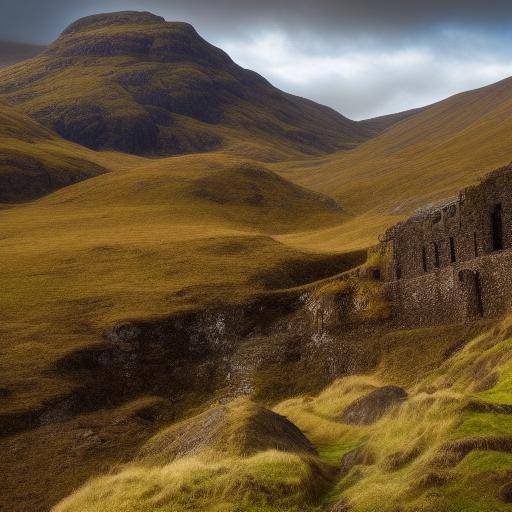
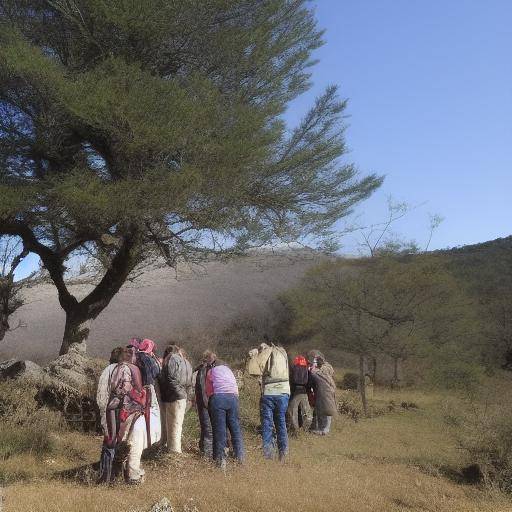
The routes of the Camino de Santiago go through stunning landscapes, charming villages, and historic sites, preserving their cultural heritage in every step. Each pilgrim finds in the way his own meaning, whether spiritual, cultural or personal overcoming. Today, the Camino de Santiago continues to attract travelers from around the world, preserving its place as one of the most important pilgrimage destinations in the world.
Detailed Analysis
The Camino de Santiago offers a unique perspective of tourism in Spain. Over the years, it has become a popular tourist route that attracts people of all ages and nationalities. The experience of traveling the Camino de Santiago goes beyond simple tourism, as it offers an opportunity for introspection, the connection with nature, and the discovery of the rich history and culture of Spain.
It is important to consider the challenges and benefits associated with this experience. The Camino de Santiago presents physical and logistical challenges, but emotional and spiritual rewards are invaluable. Every pilgrim or traveler who runs this route has the opportunity to immerse himself in the authenticity of Spanish culture, interact with locals, and admire the natural beauty of the landscape.
Comprehensive review
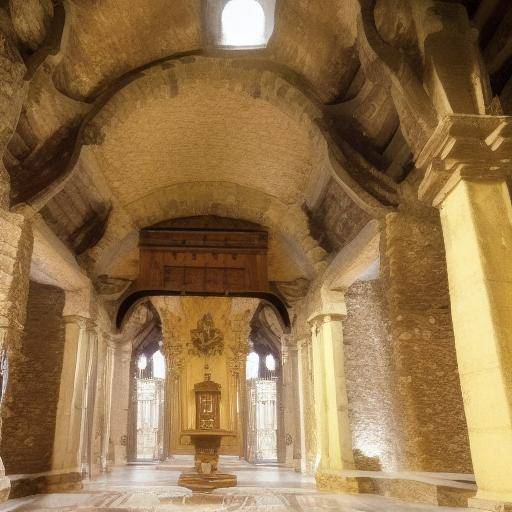
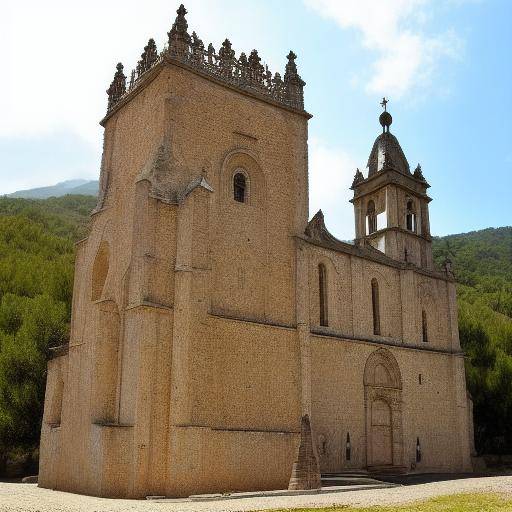
The Camino de Santiago tour allows travelers to explore the rich history of Spain in a unique way. From majestic cathedrals to charming medieval villages, the route offers an incomparable canvas to experience the cultural diversity and authenticity of Spain. Pilgrims and travelers have the opportunity to immerse themselves in the daily life of the different regions that cross the Way, nourishing themselves from local hospitality and cultural wealth.
Tourism in Spain benefits enormously from the popularity of the Camino de Santiago. This emblematic route attracts millions of visitors every year, resulting in a significant boost for local and regional economies. The hostels, restaurants, souvenir shops and other businesses along the Camino find in the pilgrims a vital source of income, helping to keep rural communities alive and to preserve their traditions.
Comparative analysis
By comparing the Camino de Santiago with other tourist routes, it stands out its singularity in terms of historical wealth, spirituality and connection with nature. Unlike the typical holidays focused on beach destinations or metropolitan cities, the Camino offers an opportunity for personal growth, reflection, and self-discovery.
Compared to other tourist destinations in Spain, the Camino de Santiago stands out for its focus on the traveler's experience rather than traditional tourist amenities. Pilgrims and travelers seek a deeper connection with the culture and history of Spain, creating a more enriching and transformative tourist experience.
Practical Tips and Recommendations
If you are considering embarking on the Camino de Santiago, it is important to take into account some practical tips to ensure a rewarding and safe experience. Meticulous planning, the right equipment, and the understanding of logistics are essential for a successful journey. In addition, being open to new experiences, knowing the history and culture of the Way, and taking advantage of local hospitality are key elements to live an authentic experience.
Industry Perspectives and Expert Reviews
Experts from the tourist industry recognize the significant impact of the Camino de Santiago on tourism in Spain. Its ability to attract travelers with different motivations and expectations makes it an invaluable asset for the promotion of sustainable tourism in the country. Along with other popular attractions, the Camino de Santiago contributes to the diversification of the tourist offer in Spain, attracting interested visitors to explore the rich history, the pristine nature and the authenticity of the regions it passes through.
Cases and Applications in Real Life
Exploring practical cases of pilgrims, their motivations, challenges and achievements offers a clear view of the personal and emotional impact of the Camino de Santiago. Through their stories, we can appreciate how this transformative experience has left an imprint on the lives of those who have undertaken this journey. Their experiences serve as inspiration for other travelers and potential pilgrims, demonstrating the power of the Camino de Santiago to enrich lives and promote intercultural understanding.
Future Trends and Predictions
As sustainable tourism and the search for authentic experiences gain global ownership, the Camino de Santiago is expected to continue attracting a growing number of travelers in the coming years. Efforts to preserve and promote this emblematic route will remain a priority, ensuring that future generations can enjoy this unique experience.
Conclusions
The Camino de Santiago is much more than a simple pilgrimage route; it represents an opportunity to immerse yourself in the rich history, culture and nature of Spain. Its impact on tourism goes beyond the influx of visitors, contributing to the preservation of the identity and vitality of communities along the Camino.
This comprehensive guide has offered a deep insight into the Camino de Santiago, tourism in Spain and the transformative experience that awaits those who venture on this millennial route. Now that you have explored every facet of this journey, we hope you will inspire yourself to undertake your own Camino de Santiago and discover the magic that awaits in every step.
Frequently asked questions
What is the best time to visit the Camino de Santiago?
Spring and autumn are often considered to be the best times to visit the Camino de Santiago, as the weather is more friendly and the routes are less crowded than during the summer.
How long has the Camino de Santiago been going?
The time it takes to walk the Camino de Santiago depends on the route you choose and your personal rhythm. On average, pilgrims usually take between 4 and 6 weeks to complete the most popular route, the French Way.
Do I need to be religious to visit the Camino de Santiago?
It is not necessary to be religious to visit the Camino de Santiago. While the route has a spiritual basis because of its origin as a Christian pilgrimage, many travelers embark on the road for cultural, historical, adventure reasons or as a personal challenge.
What is the total distance from the Camino de Santiago?
The total distance of the Camino de Santiago varies according to the route you choose. The French Way, the most popular route, has about 800 kilometers, while other shorter routes can have significantly lower distances.
What kind of accommodation can I expect along the Camino de Santiago?
Along the Camino de Santiago, you will find a wide variety of accommodations, ranging from simple and affordable hostels to hotels and rural houses. Hostels are popular among pilgrims and offer a unique community experience.
What is the traditional starting point of the Camino de Santiago?
The traditional starting point of the Camino de Santiago is Saint-Jean-Pied-de-Port in France, for those who travel along the French Way. However, the Camino has multiple routes with different starting points throughout Europe.
With these frequent questions and their detailed answers, we hope to have cleared your concerns and provided valuable information for your next adventure on the Camino de Santiago.
In short, the Camino de Santiago is much more than a simple pilgrimage route; it is an experience that transcends conventional tourism, offering the opportunity to connect with the unique history, culture and nature of Spain. We invite each reader to consider this transformative journey and to discover the power it possesses to enrich the lives of those who venture on this journey. Good way!