Holy Week is a celebration of great importance in the Christian world, especially in Spain and Latin America. Every year, millions of people participate in this holiday that commemorates the passion, death and resurrection of Jesus Christ. In this article, we will explore the historical origin of Holy Week, its evolution over the centuries and the importance of its holidays. We will discover how this tradition has endured over time and influenced culture and society.
Introduction
Holy Week is a highlight in the Christian liturgical calendar extending from Palm Sunday to Resurrection Sunday. During this week, the final events of the life of Jesus Christ are commemorated, including its triumphal entry into Jerusalem, the Last Supper, the crucifixion and its subsequent resurrection.
In this article, we will enter the history of Holy Week and its festivals, exploring its origins in antiquity, its evolution over the centuries and its relevance in today's society. In addition, we will deepen the cultural and spiritual richness surrounding this festival, providing valuable information and enriching prospects.
History and Background
The celebration of Holy Week is rooted in Jewish tradition, specifically in the Passover festival, which commemorates the liberation of the people of Israel from slavery in Egypt. With the advent of Christianity, Easter acquired an even deeper meaning by relating to the crucifixion and resurrection of Jesus Christ.
During the early centuries of the Christian era, Holy Week acquired form and meaning through the confluence of Jewish and Christian traditions. In the different regions where Christianity spread, local elements were incorporated into the celebrations, giving rise to a diversity of rituals, processions and ceremonies.
Over time, Holy Week became a manifestation of faith, devotion and artistic expression, influencing music, architecture, literature and plastic arts. In different countries, the festival adopted its own particularities, becoming a unique expression of the cultural and religious identity of each community.
Analysis in Deep
The Holy Week, beyond its religious dimension, has also acquired social and cultural connotations. In many places, festivities have been recognized as immaterial cultural heritage, contributing to the preservation of ancestral traditions and the promotion of cultural tourism.
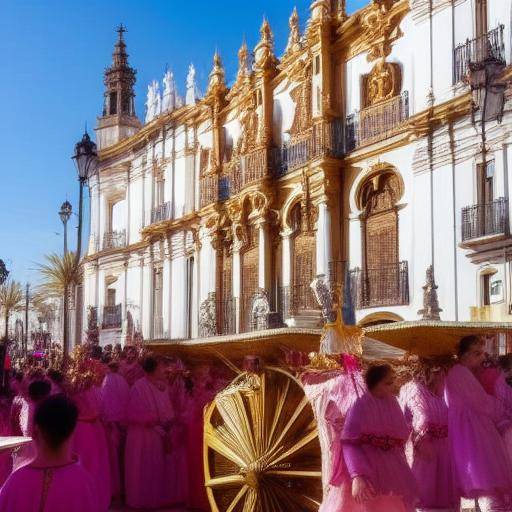
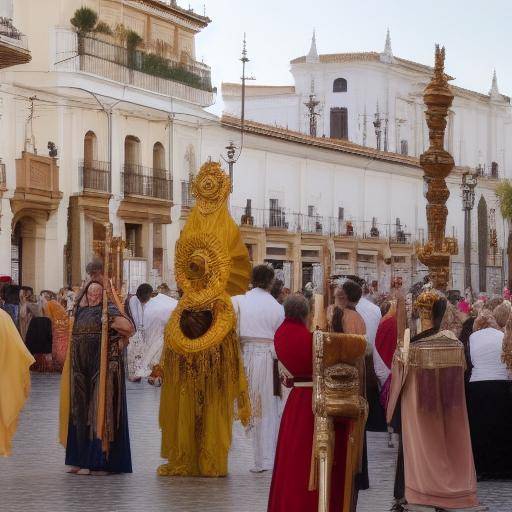
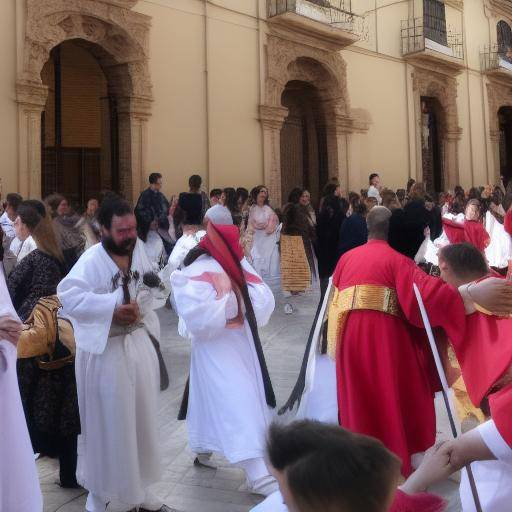
The Holy Week processions, with their impressive steps, images and manifestations of faith, attract national and international visitors, generating a significant economic impact on the cities and regions where they are celebrated. Likewise, the festivities constitute a space of encounter, cohesion and community expression, strengthening social ties and generating a sense of belonging.
Comprehensive review
In analyzing Holy Week from a contemporary perspective, it is important to consider the challenges and opportunities it faces today. Globalization, sociocultural changes and institutional challenges have impacted the practice and perception of these festivities, generating reflections on their relevance in the contemporary world.
In this regard, interreligious dialogue, respect for cultural diversity and the promotion of universal values have become important pillars in understanding and living Holy Week in a globalized and diverse context. It is essential to preserve the genuinity of the festivities, while promoting mutual respect and intercultural understanding.
Comparative analysis
Compare Holy Week with celebrations of other cultures and religions can shed light on the similarities and differences that enrich the cultural landscape. Observing how different traditions address spirituality, devotion and commemoration of transcendental events can generate greater understanding and appreciation for human diversity.
Practical Tips and Accessible Recommendations
If you want to participate in the Easter holidays or learn more about this tradition, we offer you some practical advice and actionable recommendations:
- Investigate the celebrations of Holy Week in different regions and countries, discovering the particularities and cultural wealth of each.
- Participate in local processions and ceremonies, respecting the rules and traditions of each place.
- Learn about traditional recipes associated with Easter, discovering the typical cuisine of this time.
- It contributes to the care and preservation of the cultural heritage linked to the festivities, respecting the spaces and artistic manifestations.
Industry Perspectives and Expert Reviews
In order to understand the impact and relevance of Holy Week, it is essential to seek the opinions of experts and stakeholders in the industry. Through interviews with historians, anthropologists, religious leaders and local authorities, it is possible to obtain valuable insights into the evolution of these festivities and their future projection.
Case Studies and Real Life Applications
Holy Week has left a mark on the history and life of countless people. Through case studies, it is possible to understand how these holidays have impacted communities, institutions and the daily lives of people. From eyewitness accounts to historical documentation, case studies offer a detailed and moving view of the influence of Holy Week in society.
Future Trends and Predictions
The future of Holy Week is seen as a fertile ground for evolution, innovation and intercultural dialogue. Current trends aim at greater openness, inclusion and dialogue among different communities, seeking to enrich the celebrations with contemporary elements without losing sight of the essence and meaning deeply rooted in tradition.
Conclusion
Holy Week, with its rich history, cultural vivacity and profound spiritual impact, persists as one of the most significant celebrations on a global level. The respect and understanding of its multiple dimensions, from devotional to cultural and tourist, invites us to celebrate human diversity and to reflect on the values that unite communities in momentous times.
Frequently asked questions
What is the spiritual meaning of Holy Week?
The Holy Week commemorates the final events of the life of Jesus Christ, including his passion, death and resurrection, being a period of reflection, devotion and spiritual renewal for Christians.
Why does Holy Week vary every year?
The Holy Week is calculated according to the lunar cycle, so its date varies in the Gregorian calendar, celebrated between 22 March and 25 April.
Why is Holy Week important from a cultural point of view?
Holy Week is a manifestation of the cultural and religious identity of multiple communities, influencing music, architecture, literature and other artistic manifestations.
What is the economic importance of Holy Week?
The holidays of Easter generate a significant economic impact in the cities and regions where they are celebrated, attract tourists and contribute to the development of commercial activities.
What are some culinary traditions associated with Holy Week?
In different countries, traditional dishes linked to Holy Week are prepared, such as cod, torrijas, buñuelos, among others, which are part of the gastronomic legacy of the festival.
How is Holy Week celebrated in different parts of the world?
Holy Week celebrates various forms around the world, with processions, theatrical performances, religious ceremonies and traditional practices that reflect the cultural diversity and richness of the celebration.
Concluding, Holy Week is much more than a religious celebration. It is a cultural, social and spiritual phenomenon that lasts through the centuries, enriching the lives of millions of people around the world. Its ability to unite communities, foster reflection and preserve ancestral traditions makes it a unique and invaluable celebration in the heritage of humanity.