In Ireland's fascinating land, celebrations in honour of St Patrick represent an impressive mix of history, traditions, and culture. This article will take you through a journey in time to explore the rich history behind these festivities, as well as the meaning they have acquired over the centuries. You will discover the importance of Saint Patrick as a patron saint of Ireland, the entrenched traditions that remain alive today, and how these celebrations reflect the identity and spirit of the Irish people.
Get ready to immerse yourself in the authenticity and charm of the traditions of St Patrick in beautiful Ireland!
History and Relevance of Saint Patrick in Ireland
The Legacy of Saint Patrick
Saint Patrick’s Day, held on March 17, honors the memory of Saint Patrick, who became the patron saint of Ireland. Although St Patrick was not born in Ireland, his impact on the island is immense. According to the legend, Saint Patrick used a three-leaf clover to explain the concept of the Holy Trinity, becoming an emblematic symbol of the celebration.
Origin and Evolution of the Celebrations
The festivities of Saint Patrick have their roots in the celebration of the arrival of Christianity in Ireland and in the commemoration of the Irish identity, its culture and its achievements. What began as a religious festival has become a cultural celebration widely enjoyed throughout the world over time.
Emblematic Traditions of Saint Patrick in Ireland
Parades and Celebrations in the Streets
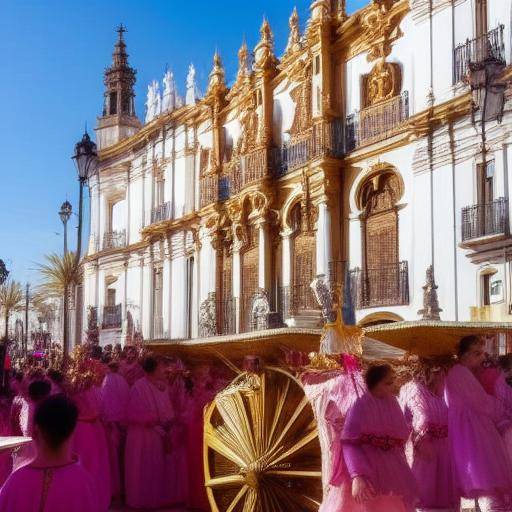
The colorful and festive parades are one of the most outstanding traditions during the day of Saint Patrick. From small cities to the streets of Dublin, these parades present an amazing variety of floats, traditional music, dances and extravagant costumes.
The Green Dress
The green color is strongly associated with Saint Patrick and his celebration. In fact, dressing green on 17 March is an entrenched tradition that symbolizes the connection with nature and, more recently, the Irish identity.
The Tradition of Drink and Eat
Food and drink also play an important role in the holidays. Many enjoy traditional Irish dishes, such as lamb stew or colcannon, and offer with beer or whiskey, in a festive atmosphere and camaraderie.
The Legacy of Saint Patrick in Music
The music is prominent in the celebrations of St. Patrick. The vibrant rhythms of Celtic music, combined with joyful melodies interpreted in flute, gaita or violin, create a festive atmosphere that resonates in the heart of each celebrant.
The Cultural Significance of Saint Patrick in Ireland
Link to National Identity
The celebration of Saint Patrick is a symbol of unity for the Irish people, both within the country and in the diaspora. The holiday reinforces the sense of belonging and pride in Irish heritage and traditions.
Promotion of Tourism
Saint Patrick’s festivities act as a magnet for tourists around the world, who come in mass to experience genuine Irish hospitality, immerse themselves in their rich culture and participate in vibrant celebrations.
Preservation and Dissemination of Centenary Traditions
Saint Patrick’s celebrations play a crucial role in the preservation and dissemination of Irish ancestral traditions. Through music, dance, folklore and gastronomy, they are transmitted from generation to generation, keeping alive the essence of Irish culture.
The Legacy of Saint Patrick: a celebration that transcends borders
Global Influence of Saint Patrick
The celebration of Saint Patrick has transcended Ireland's borders, becoming an international renowned event. Cities around the world dress in green and honor the memory of Saint Patrick with parades, concerts, and festivities that reflect the Irish heritage.
Economic and Social Impact
The day of Saint Patrick has a significant impact on the economy, as it generates a lot of revenue through tourism, the food industry, and the promotion of Irish products. In addition, these festivities foster social cohesion and reinforce community ties.
A Day to Open Irish Culture
In many places, St. Patrick’s Day has become a multicultural celebration that goes beyond the Irish heritage. People of all nationalities come together to enjoy the music, dance, food and hospitality that characterize this holiday.
Conclusions and FAQs
Conclusions
The traditions of Saint Patrick in Ireland represent a celebration rich in history, symbolism and cultural significance. From the colorful parades to the link with national identity, each aspect of this holiday reflects the authenticity and spirit of the Irish people.
By exploring the traditions of Saint Patrick, one dives into the very essence of Irish culture, which has expanded beyond the borders of the emerald island to become a global phenomenon.
Frequently asked questions
Why is the green color associated with St Patrick?
The green is associated with Saint Patrick because of his connection to nature, as well as his use in Irish symbolism. During St Patrick's Day, dressing green is a way to honor Irish culture and spirit.
What is the historical importance of Saint Patrick for Ireland?
Saint Patrick played a crucial role in the introduction of Christianity in Ireland, establishing an influence that shaped the course of the history and culture of the island.
What is the typical dish of Saint Patrick in Ireland?
The stew of lamb and colcannon, a plate made of mashed potatoes and cabbage, are two typical dishes of Saint Patrick that are widely enjoyed during the holidays.
When did the San Patricio parades begin to take place?
St. Patrick's modern parades have their roots in the United States, particularly in New York, where the Irish community organized the first parade in 1762.
How are the feasts of Saint Patrick celebrated in other countries?
The festivities of Saint Patrick are celebrated around the world with parades, concerts, music and dance festivals, and the painting of whole cities of green in honor of the occasion.
What are the main symbols associated with Saint Patrick?
In addition to the three-leaf clover, the symbols associated with Saint Patrick include the Celtic Cross, the Irish monastic ruins, and the image of ancient tombstones in the Irish countryside.
With this, we hope to have provided an enriching vision of the traditions of Saint Patrick in Ireland and its cultural significance, as well as to have dispelled possible doubts about this vibrant celebration.
May the authenticity and joy of Saint Patrick continue to illuminate hearts all over the world!