Carnivals in Europe are a unique celebration of diversity, tradition and creativity. From colorful parades to elaborate masks and costumes, each carnival has its own history and charm, offering visitors an unforgettable experience. In this guide, we will explore the most impressive carnivals in Europe, its history, the festivities surrounding them, and offer practical advice to enjoy the most of these emblematic celebrations.
Introduction
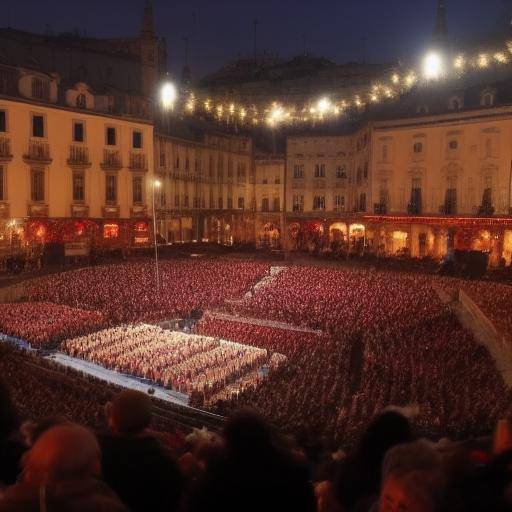
Carnivals, celebrated in different regions of Europe, are festivals full of joy, music, dances and traditions rooted in local culture. Each carnival has its own identity and attractiveness, attracting visitors from around the world who seek to immerse themselves in the rich history and festive atmosphere that surrounds them. In this guide, we will discover the most shocking destinations to celebrate carnival in Europe, as well as the history, festivities and highlights of these celebrations.
History and Background
Carnivals have their origins in the ancient pagan holidays that marked the end of winter and the beginning of spring. Over the centuries, these celebrations have been intertwined with religious traditions, leading to a diversity of rituals and practices that vary from place to place. From the Carnival of Venice, with its iconic masks and parades in gondolas, to the vibrant Carnival of Tenerife, in Spain, with its elaborate costumes and compartments, each celebration has a unique story that makes it special.
Carnivals have evolved over time, incorporating cultural and artistic influences that have enriched and diversified them. From political satire to exuberant artistic expression, carnivals are a window to human creativity and the celebration of life.
Deep analysis
The benefits of carnivals go beyond entertainment. These holidays are an economic engine for many European cities, attracting millions of tourists and generating employment in sectors such as tourism, hospitality and arts. In addition, carnivals offer a platform for cultural expression and exchange, fostering understanding and appreciation of different traditions.
However, carnivals also face challenges, such as crowd management, the preservation of authentic traditions in a commercial context and environmental sustainability. In a constantly changing world, carnivals must adapt to remain relevant and significant in modern society.
Comprehensive review
For those who wish to experience European carnivals, it is important to take into account certain practical tips. Planning in advance, getting to know the dates and schedules of the parades, booking accommodation in advance and diving into the festive atmosphere are key aspects to maximizing these celebrations.
Experts point out that carnivals can be an opportunity to explore the cultural diversity, artistic creativity and the festive spirit of Europe. In addition, the holidays offer a space for social interaction, the exchange of experiences and the creation of unforgettable memories.
Comparative analysis
By comparing carnivals in different European cities, you can see similarities and differences that reflect the cultural diversity of the continent. From the refined elegance of the Carnival of Venice to the overflowing energy of the Carnival of Cologne, each celebration has its own attractive and style, reflecting the idiosyncrasy and the history of the region.
Practical Tips and Accessible Advice
When planning the visit to a European carnival, it is essential to be prepared for the crowds and the weather conditions. In addition, it is advisable to explore parallel festivals such as concerts, art exhibitions and gastronomic events. Finally, diving into local culture and tasting traditional gastronomy is a fundamental part of the experience.
Perceptions of Industry and Expert Reviews
Experts on tourism and culture highlight the importance of carnivals as engines of social and economic dynamism. They also point to the need to preserve the authentic traditions and cultural value of these celebrations in a globalized world. Public-private partnerships are crucial to ensuring the sustainability and growth of carnivals in the future.
Case Studies and Real Life Applications
The impact of carnivals on the lives of local communities is undeniable. From employment generation to the momentum of the creative economy, these festivities contribute significantly to the development of host cities. In addition, carnivals offer a showcase for artists and designers, and are an opportunity for global cultural promotion.
Future Trends and Predictions
The future of European carnivals remains promising, with a growing demand for authentic and meaningful experiences. Carnivals are expected to evolve to integrate new technologies, promote sustainability and remain relevant in an increasingly interconnected world. Creativity, cultural identity and the active participation of the community will be fundamental pillars for the success of carnivals in the twenty-first century.
Conclusion
Carnivals in Europe represent a vibrant and diverse celebration that captivates visitors from all over the world. From the majesty of the Carnival of Venice to the exuberance of the Carnival of Nice, these holidays offer a unique window to the rich history and cultural creativity of the continent. When planning a visit to European carnivals, it is essential to take into account local traditions, logistics and complementary activities to maximize this unique experience.
Frequently asked questions
What are the most famous carnivals in Europe?
Europe hosts several world-renowned carnivals, including the Venice Carnival in Italy, the Cologne Carnival in Germany, the Nice Carnival in France and the Tenerife Carnival in Spain. Each has its own distinctive traditions, parades and festivities that attract visitors from all over the world.
What is the story behind the Carnival of Venice?
The Carnival of Venice has its roots in the public holidays celebrated in the city in the Middle Ages. Known for its beautiful masks and extravagant costumes, the carnival has been an integral part of Venetian life for centuries and continues to attract multitudes with its opulent display of color and creativity.
What kind of festivities can be expected during the carnivals in Europe?
Carnivals in Europe offer a wide range of festivities, including float parades, outdoor concerts, street parties, costume competitions, traditional dances and artificial fireworks displays. Furthermore, it is common to find gastronomic fairs, art exhibitions and cultural events during these celebrations.
What is the best way to experience a European carnival?
To maximize a carnival in Europe, it is advisable to investigate the holidays and events scheduled in advance and plan the visit according to personal interests. In addition, exploring local gastronomy, participating in cultural activities and plunging into the festive atmosphere are key aspects for a memorable experience.
What is the economic impact of carnivals on host cities?
Carnivals have a significant impact on the local economy, generating revenue through tourism, hospitality, catering and retail sales. In addition, these festivities encourage the creation of employment and the promotion of local artists, contributing to the economic and cultural development of the host cities.
What are some tips to enjoy a carnival in Europe?
When visiting a carnival in Europe, it is advisable to book accommodation in advance, plan transportation logistics, explore parallel holidays, such as concerts and art exhibitions, and immerse yourself in local culture by participating in traditional activities and testing the typical gastronomy of the region.
What are future trends for European carnivals?
European carnivals are expected to continue to evolve to integrate emerging technologies, promote sustainability and offer more and more personalized and authentic experiences. The inclusion of cultural elements, the active participation of the community and the focus on creativity and diversity will be key trends in the carnivals of the future.
With the diversity of festivities, the rich history and the festive atmosphere surrounding them, the carnivals in Europe offer a unique experience worth exploring. From the cultural legacy of the Carnival of Venice to the contagious energy of the Carnival of Cologne, each celebration has its own essence that captivates those who participate in it. Immerse yourself in the joy and creativity of the European carnivals and discover the cultural wealth and endless fun that these holidays have to offer.