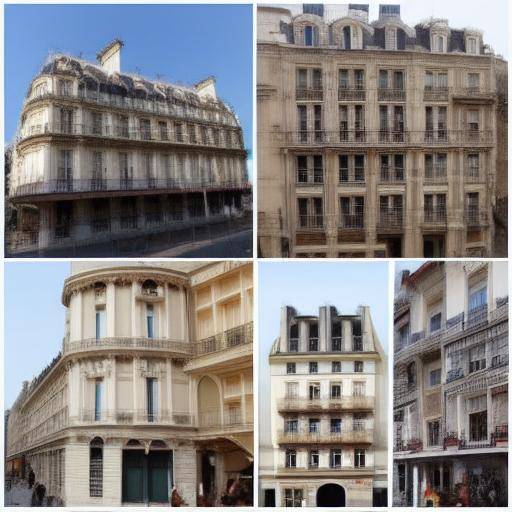
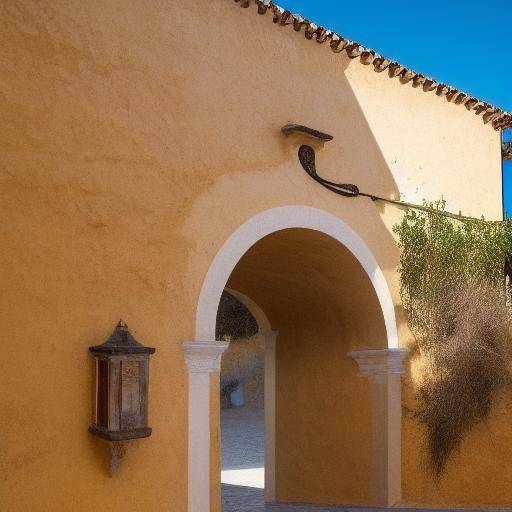
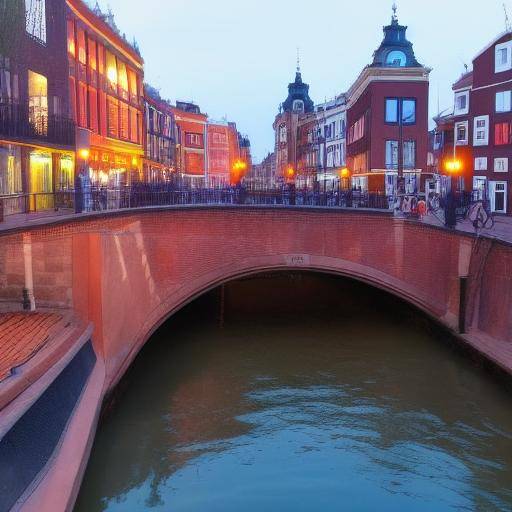
The Art Nouveau style, known for its elegance and sophistication, flourished in Europe at the end of the nineteenth and early twentieth century, leaving architectural footprints that still marvel at the spectators. In this article, we will explore the best examples of Art Nouveau in Europe, from its historical origins to its current applications, providing a detailed perspective of this artistic movement and its influence on European architecture.
Introduction
Art Nouveau, also known as Modernism in Spain, was an artistic movement that covered various fields such as architecture, design, art and crafts. It was characterized by its emphasis on curved lines, floral ornamentation, and the use of modern materials such as iron and glass. Throughout Europe, this style manifested itself in exquisite ways, leaving unparalleled buildings, furniture and objects of beauty.
In this visual journey, we will explore both the historical aspects of Art Nouveau and its contemporary applications in European architecture. We will discover the influences, the most outstanding examples and the keys to their legacy that remain today.
History and Background
Art Nouveau emerges at the end of the 19th century as a reaction to dominant historicalism in architecture, seeking greater inventiveness and originality in designs. This movement was developed in Europe, with influences mainly in countries such as France, Belgium, Spain, Austria and Scotland. The renowned architects and designers, such as Victor Horta, Hector Guimard, Antoni Gaudí and Charles Rennie Mackintosh, left an impressive legacy with their Art Nouveau creations.
In this section, we will explore in detail the influence of these visionaries, the historical milestones that marked the movement and the distinctive elements that characterize it.
Analysis in Deep
Art Nouveau not only revolutionized architecture, but also influenced the design of furniture, jewelry, graphic arts and everyday objects. We will analyze the presence and evolution of Art Nouveau in these fields, highlighting its unique characteristics and its lasting impact.
In addition, we will deepen the challenges and opportunities that the Art Nouveau style presented in architecture and design, as well as innovative approaches that continue to be relevant today.
Comprehensive review
In this section, we will immerse ourselves in the best examples of Art Nouveau in Europe, exploring iconic buildings, stunning interiors and ornamental details that make this style unforgettable. From Gaudí’s Casa Batlló in Barcelona to Victor Horta’s Tassel House in Brussels, we will discover the wealth and diversity of Art Nouveau in Europe.
In addition, we will compare different methods and approaches used in the preservation and restoration of Art Nouveau buildings, analyzing how this architectural heritage has been preserved and adapted over time.
Comparative analysis
Art Nouveau in Europe exhibits an amazing diversity, from Gaudí's most organic and fluid style to the stylized geometry of Charles Rennie Mackintosh. In this section, we will compare and contrast different approaches within the Art Nouveau movement, highlighting the similarities, discrepancies and possible synergies between the works of several Art Nouveau teachers.
Practical Tips and Accessible Tips
While Art Nouveau dates back more than a century, its influence on contemporary architecture and design remains significant. We will provide practical advice for those who wish to incorporate Art Nouveau elements into current projects, offering clear guidelines and informed recommendations.
Opinions and Insights of the Industry
We will gather opinions and analysis of experts from the industry, which offer an expert view on the impact of Art Nouveau on European architecture and its relevance in the current landscape. These perspectives will provide a deeper understanding of the continuing influence of this style in modern architectural design.
Case Studies and Real Life Applications
Through detailed case studies, we will examine practical applications of Art Nouveau in contemporary architecture, highlighting innovative projects that have integrated elements and concepts of Art Nouveau in a remarkable way. These examples will illustrate how the legacy of Art Nouveau persists and reinvents itself in the current architecture.
Future Trends and Predictions
Finally, we will explore emerging trends related to Art Nouveau, architecture and design in Europe. Based on current data and expert opinions, we will offer predictions on the continuing role of Art Nouveau in the evolution of European architecture, as well as the challenges and opportunities that are visible on the horizon.
Conclusion
In short, Art Nouveau has left a lasting mark on European architecture, inspiring and challenging generations of architects and designers. From its historical apogee to its contemporary influence, Art Nouveau continues to captivate with its elegance, boldness and exquisite beauty. Through this visual tour, we have explored the best examples of Art Nouveau in Europe, providing an integral vision of this style and its lasting legacy.
If you are interested in discovering more about the influence of Art Nouveau in Europe and contemporary architecture, we invite you to explore our related articles and immerse yourself in the fascinating world of Art Nouveau.
Frequently asked questions
What are the main European countries where Art Nouveau left its mark?
Art Nouveau had a strong presence in countries such as France, Belgium, Spain, Austria and Scotland, where prominent architects and designers left an impressive legacy through their creations.
What are the distinctive elements of the Art Nouveau style in architecture?
Art Nouveau is characterized by the use of curved lines, floral ornamentation, and the incorporation of modern materials such as iron and glass. These elements are reflected in architecture through sinuous forms and a detailed attention to ornaments.
How has the influence of Art Nouveau evolved in contemporary architecture?
The influence of Art Nouveau in contemporary architecture has been manifested through the reinterpretation of its distinctive elements, as well as the integration of organic and ornamental concepts into avant-garde designs.
What is the most remarkable legacy of Art Nouveau in European architecture?
The most remarkable legacy of Art Nouveau in European architecture is its ability to challenge established norms and foster creativity and originality in architectural design. His emblematic works continue to inspire architects and designers today.
What Art Nouveau buildings in Europe are considered impermissible for their architectural beauty?
Some of the most outstanding Art Nouveau buildings in Europe include the Casa Batlló of Antoni Gaudí in Barcelona, the Tassel House of Victor Horta in Brussels and the Casa Milà (La Pedrera) also in Barcelona.
How can elements of Art Nouveau be incorporated into contemporary architecture projects?
The incorporation of elements of Art Nouveau into contemporary projects can be done through the reinterpretation of curved lines, the use of floral ornamentation in modern designs, and the integration of contemporary materials in line with the aesthetics of Art Nouveau.
With this, we conclude our visual journey through the best examples of Art Nouveau in Europe, hoping that you have enjoyed this historic and contemporary exploration of a style that continues to amaze art and architecture lovers around the world. Thank you for accompanying us on this journey!
Remember that the beauty of Art Nouveau extends beyond the limits of this article, and we encourage you to continue exploring and discovering the wealth and diversity of this fascinating style in European architecture.
With this, we conclude our visual journey through the best examples of Art Nouveau in Europe, hoping that you have enjoyed this historic and contemporary exploration of a style that continues to amaze art and architecture lovers around the world. Thank you for accompanying us on this journey!