From the majestic palaces to the beautiful natural landscapes, Europe hosts some of the most impressive gardens in the world. With a rich history and a dazzling natural beauty, these gardens offer visitors an experience that combines the serenity of nature with the mastery of landscape design. In this article, we will explore some of the most beautiful gardens in Europe, discovering their history, charm and the richness of nature that defines them.
Introduction
Discovering the Natural Beauty
Europe is famous for its charming gardens that serve as an oasis of calm in the middle of the urban hustle. From the splendid formal gardens to lush natural landscapes, each corner offers a unique opportunity to immerse yourself in natural beauty. In this article, we will enter a journey to explore some of the most dazzling gardens in Europe, highlighting its great diversity and rich history.
What you will learn
As you immerse yourself in this exploration, you will discover the fascinating history behind these gardens, from its origins to its evolution over the centuries. We will analyse the current challenges and benefits of preserving and managing these natural treasures, as well as highlight future trends and prospects. In addition, we will examine in detail the similarities and differences between some of the most emblematic gardens in Europe. Finally, we will offer useful advice and expert comments for nature lovers and gardening.
History and Background
The gardens in Europe have a fascinating history dating back centuries. From the influence of ancient Persian and Roman gardens to Renaissance and Baroque designs, the evolution of European gardens is a reflection of cultural and aesthetic change throughout history. These gardens, whether public or private, have played a crucial role in the lives of local communities and in the preservation of biodiversity.
Origins and Evolution
Europe is witness to the flourishing of a variety of styles of gardens over the centuries. From the lush hanging gardens of Babylon to the refined formal gardens of the Renaissance era, each period has left its mark on the design and management of the gardens.
Historic Hitos
It will be highlighted how the evolution of landscape architecture has been a reflection of the artistic, economic and social currents of its time. The construction of botanical gardens, the introduction of exotic species and the development of sustainable gardening techniques are just some of the milestones that have contributed to the diversity and beauty of the gardens of Europe.
Analysis in Deep
Current Benefits and Challenges
The conservation and management of European gardens pose unique challenges in the modern era, from the preservation of endangered species to environmental sustainability. The benefits of these gardens, including their contribution to mental health, environmental education and tourist attraction, will also be highlighted.
Current Trends and Futures
Technological advances and contemporary trends are shaping the way gardens are designed, managed and experienced in Europe. From the use of drones for the study of biodiversity to the integration of urban gardening, these changes reflect greater ecological awareness and the desire to adapt to a constantly evolving world.
Comprehensive review
Applications and Best Practices
Gardens play a crucial role in a variety of contexts, from horticultural therapy to scientific research. We will highlight concrete examples of how gardens are used innovative and effective deformation, sharing evidence backed by data and experiences.
Comparison and Contrast
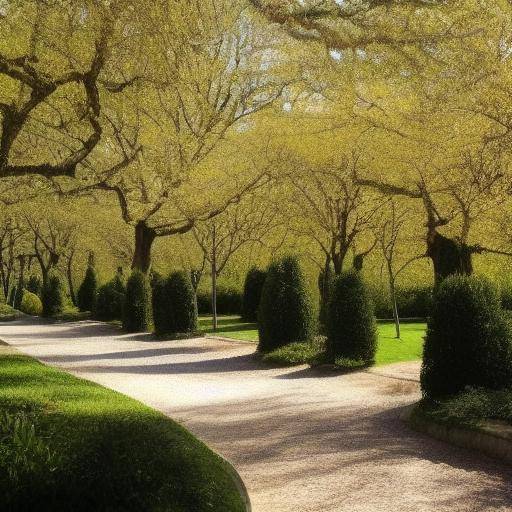
The diversity of gardens in Europe is amazing, from the stunning formal gardens of Versailles to the natural landscapes of the Norwegian Fjords. We will understand the similarities and differences between these distinctive styles, exploring how each reflects the unique natural traditions, values and conditions of their environment.
Practical Tips and Accessible Tips
Discovering Beauty in House
For those who want to integrate natural beauty into their own lives, we will offer practical advice on how to create a garden inspired by European designs. From the selection of indigenous plants to landscape planning, we will provide a step-by-step guide for garden enthusiasts to transform their own spaces in the European style.
Importance of Conservation
We will emphasize the importance of the conservation and preservation of European gardens for future generations. We will emphasize the importance of adopting sustainable practices and fostering community participation in the protection of these natural treasures.
Industry ideas and Expert Reviews
Reflections of the World Expert
We will interview experts in gardening, conservation and landscape architecture to obtain enriching perspectives on the role of gardens in Europe. Your informed opinions will shed light on the complexities and challenges surrounding these unique spaces.
Emerging Trends and Future Predictions
We will explore emerging trends in the design and management of gardens in Europe, providing a future vision based on research and expert opinions. This will give readers a clear view of how gardens will evolve in the coming years.
Conclusion and Frequently Asked Questions
Synthesis and Final Reflections
In conclusion, we will summarize the highlights of the beauty and meaning of European gardens, reinforcing their cultural, aesthetic and environmental importance. I will encourage readers to continue exploring this natural wealth and to be part of its conservation.
Frequently asked questions
- **What is the most famous garden in Europe?**The most famous gardens in Europe include the Versailles Garden in France, the Keukenhof Gardens in the Netherlands and the Alhambra Gardens in Spain.
- **How can I visit these gardens?**Many of these gardens are open to the public and offer guided tours. Details about tickets and schedules can be found on your official websites.
- **What is the best time of the year to visit the gardens in Europe?**Spring and summer are usually the best time to visit European gardens, as it is when most flowers are in full bloom.
- **Are there less known but equally impressive gardens?**Yes, there are many less well-known gardens throughout Europe that offer exceptional beauty. Exploring these hidden treasures can be a unique experience.
- **What challenges do gardens face today?**Challenges include the conservation of endangered species, sustainable water management and the preservation of biodiversity in a growing urban environment.
- **How do European gardens impact the tourism industry?**European gardens are important tourist attractions that attract visitors from around the world, promoting cultural and natural preservation. Their impact on tourism benefits local communities and the economy in general.
In short, the gardens of Europe represent a unique fusion between nature and human creativity. Its history, evolution and diversity reflect the magnificence of nature and human ingenuity. These gardens are not only testimonies of the cultural and aesthetic wealth of Europe, but also sources of inspiration for the conservation and creation of beauty in our own lives. I hope this article has inspired you to explore and appreciate the wonderful natural heritage of Europe!
Remember that if you have any additional questions about gardens, Europe or nature, do not hesitate to consult me. Enjoy the charm of the European gardens and their explosion of color!