Introduction
Europe is a continent full of history, tradition and culture, where religious holidays occupy a prominent place. From the fervor of Holy Week in Spain to the spirituality of Ramadan in Turkey, Europe hosts a wide variety of celebrations that reflect the diversity and wealth of religious traditions. In this essential guide, we will explore the most important religious festivals in Europe, its historical significance, its impact on contemporary society and offer practical advice to live these holidays in a meaningful way.
Religious Festivals in Europe: A Historical Look
Religious holidays in Europe have deep historical roots dating back centuries. From the pagan festivals that mark the solstices to the Christian celebrations that commemorate biblical events, each festival has its own cultural and spiritual background. The influence of Christianity, Judaism, Islam and other religions has shaped these festivities over time, creating traditions rooted in European identity.
Holy Week: A tradition rooted in the Iberian Peninsula
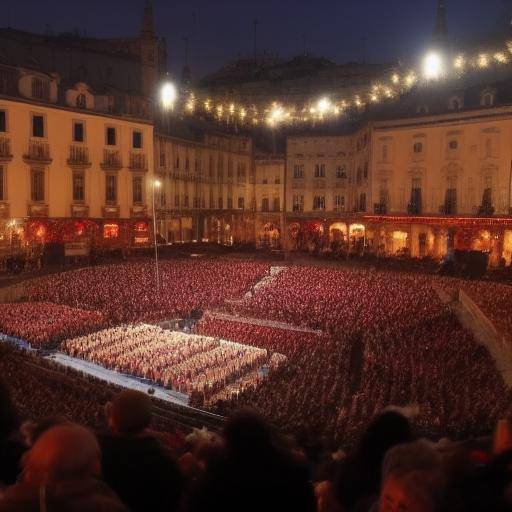
Holy Week is one of the most emblematic religious festivals in Europe, especially in Spain and Portugal. The processions, theatrical representations of the Passion of Christ and the atmosphere of recollection and reflection make this celebration a unique event. The Andalusian city of Seville is known for its elaborate processions and religious fervor during this sacred week.
Ramadan: The Muslim festival that joins Europe
Ramadan, the ninth month of the Islamic calendar, is a sacred feast for millions of Muslims around the world, including the European Muslim community. During this month, the followers of Islam fast from dawn to evening and dedicate themselves to prayer and spiritual reflection. In countries such as Turkey, Ramadan lives with great intensity, with family meetings, special meals and an atmosphere of solidarity and generosity.
Tips to Live Religious Festivals in Europe in a Real way
If you have the opportunity to witness any of these holidays in Europe, we offer you some practical advice to live the experience significantly:
- Take advantage of the history and religious meaning behind the festival.
- Respect local traditions and follow label and behavior standards.
- Participates in community activities and provides support to local community members.
- Take the opportunity to taste the traditional gastronomy associated with the festival.
- Takes into account logistical considerations, such as schedules, transportation and accommodation, to ensure a smooth and safe experience.
Conclusion
In Europe, religious holidays are much more than cultural events, they are expressions of the identity and spirituality of their peoples. These celebrations, rooted in history and faith, offer visitors the opportunity to immerse themselves in the profound traditions and religious fervor that defines each country. If you have the opportunity to participate in one of these festivities, you will not only witness the union between history and spirituality, but will also take with you unbeatable memories of a Europe rich in tradition and devotion.
Frequently asked questions
**1. What religious holidays are celebrated in Europe?**Europe hosts a variety of religious festivals, such as Holy Week, Ramadan, Diwali and Easter. Each of these festivities reflects the cultural and religious diversity present on the continent.
**2. What is the most famous religious festival in Europe?**Holy Week, especially in Spain, is one of the best known and celebrated religious holidays in Europe, with elaborate processions, theatrical performances and a deep devotion on the part of the faithful.
**3. How can I participate in religious holidays in Europe as a tourist?**If you want to live the religious holidays in Europe, it is important to inform you about the dates and places where they take place. In addition, it is essential to show respect for local traditions and to be open to spiritual and cultural experience.
**4. What is the importance of religious holidays in Europe?**Religious holidays are fundamental to understanding the identity and history of Europe. In addition to its spiritual significance, these celebrations are a manifestation of the rich cultural and religious diversity of the continent.
**5. How can I learn more about religious holidays in Europe?**Visiting museums, historical sites and cultural centers in Europe can provide a deeper understanding of religious holidays and their importance in the society and history of the continent.
**6. Can you participate in religious festivities as a non-believer?**Yes, many religious holidays in Europe are open to the participation of people of different faiths and beliefs, as long as local norms and traditions are respected.
In short, religious holidays in Europe are a window to the rich cultural and spiritual heritage of the continent. From the majestic processions of Holy Week to the profound meaning of Ramadan, each celebration offers a unique opportunity to immerse itself in the traditions, history and spirit of Europe. We hope that this essential guide will inspire you to explore and participate in these holidays in a respectful and meaningful way. May your trip to the religious festivals of Europe be an unforgettable experience full of learning and enrichment!