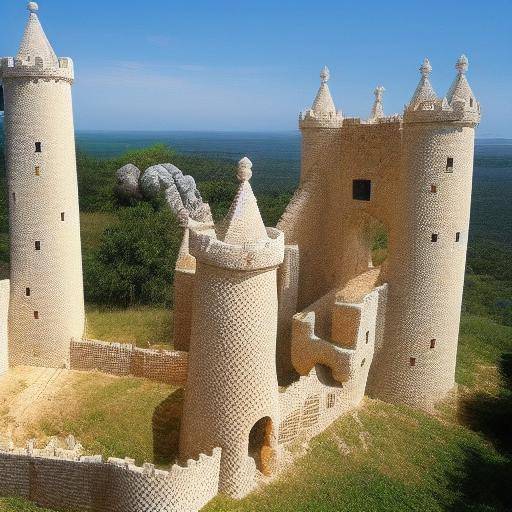
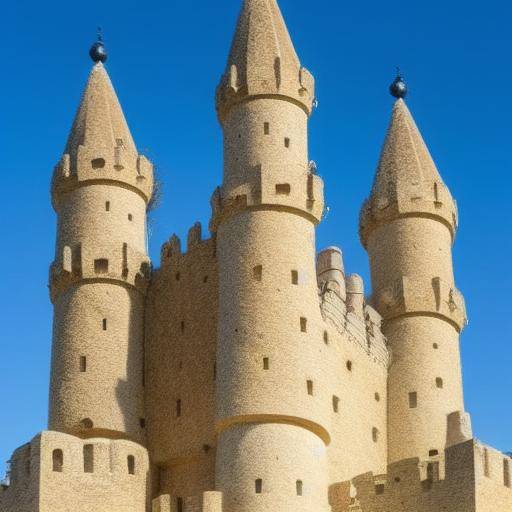
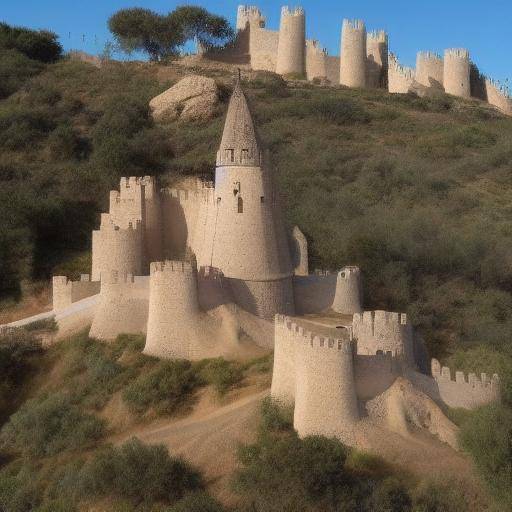
The medieval castles of Europe witness a fascinating era where history, architecture and culture merged to leave an imposing legacy. This article invites you to take a journey in time through these emblematic monuments, exploring its influence in medieval history and its relevance in today's Europe.
Introduction
Imagine walking through mysterious corridors, contemplating imposing towers and dazzling with the majesty of medieval castles. This introduction brings you to a world where history comes to life, where medieval Europe is revealed throughout its grandeur through imposing fortresses and palaces. Join us on this journey to discover the secrets and relevance of the medieval castles of Europe today.
History and Background
The medieval castles of Europe have their roots in the Middle Ages, a period that ranged from the 5th to the 15th century. During this time, the castles played a crucial role in defending territories, exercising feudal power and protecting the nobility. From the simplest buildings to the imposing fortresses, the medieval castles became symbols of the medieval era.
Origins and Evolution
The first medieval castles emerged as defensive structures in response to the barbaric invasions that devastated Europe after the fall of the Roman Empire in the 5th century. The architectural and military innovations led to the construction of more elaborate castles, equipped with towers, pits, and imposing walls, reflecting the power and wealth of their builders.
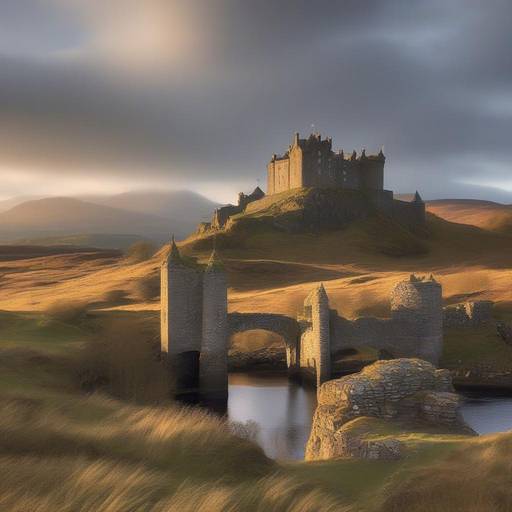
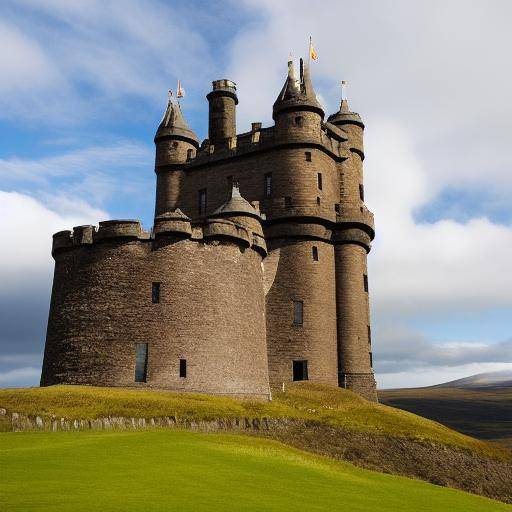
In the course of the centuries, castles evolved not only as military fortifications, but also as centers of political and economic power. Castles such as Windsor in England, Loarre in Spain, and Hohenzollern in Germany are emblematic examples of this evolution, which marked the European landscape and the history of the different regions where they were erected.
Importance and Legacy
In addition to its defensive function, medieval castles also housed the nobility and its courts, being centers of administration, justice and social life. This multifaceted aspect gave them a central role in the configuration of medieval society, influencing the economy, culture and power relations in Europe.
Detailed Analysis
The study of the medieval castles of Europe reveals both its historical value and its impact on European identity. Through the detailed analysis of its architecture, functions and legacy, it is possible to understand the complexity and wealth of these monuments.
Architecture and Design
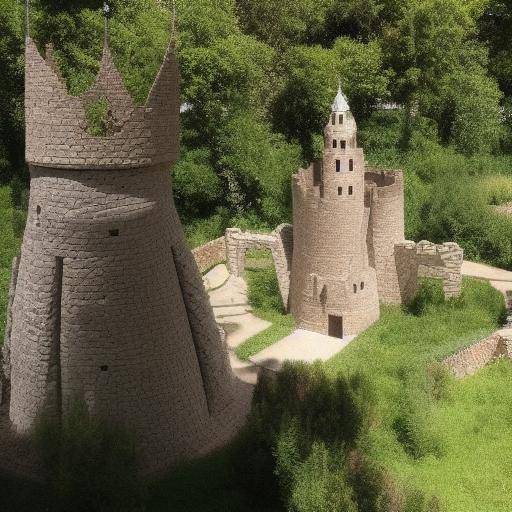
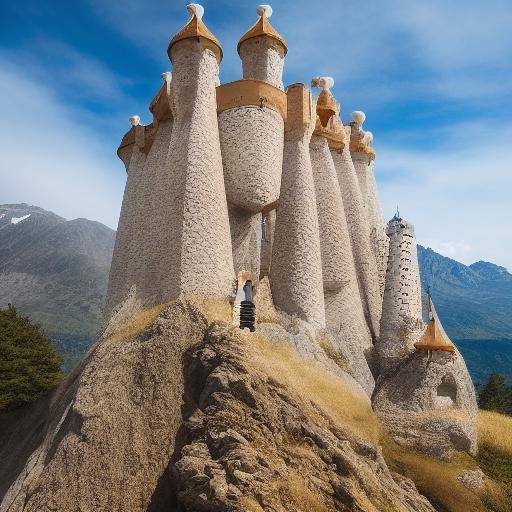
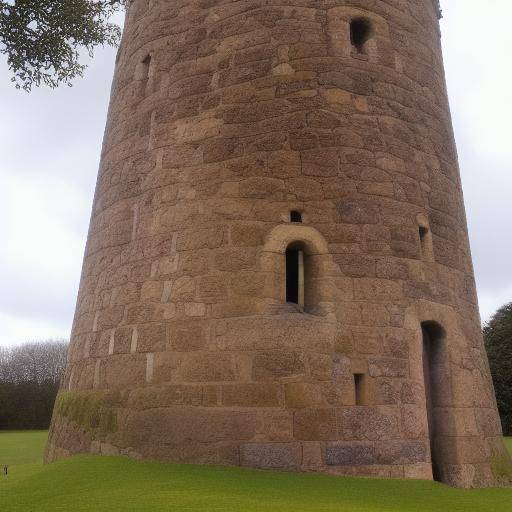
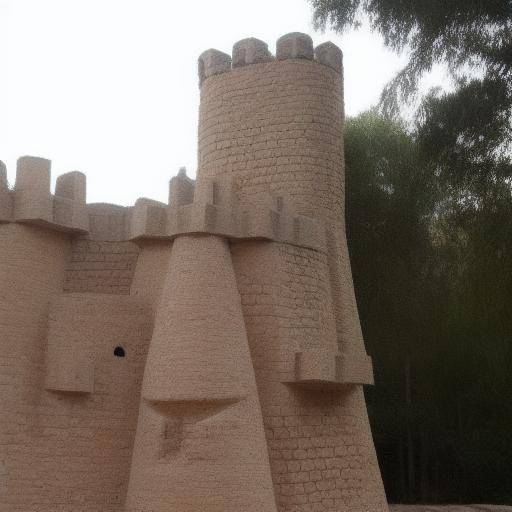
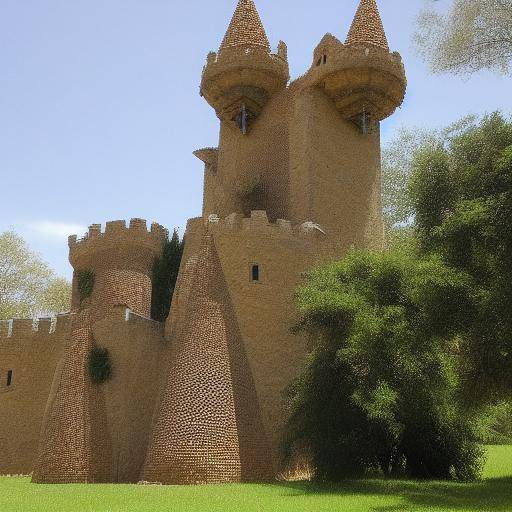
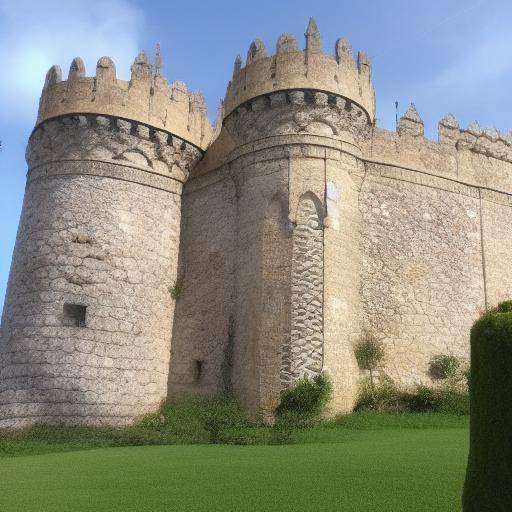
The architecture of the medieval castles responds to the defensive and representative needs of its builders. From the strategic layout of the walls to the planning of the interior rooms, each architectural element reflects the engineering and art of the time. The towers, beehives, and secret passages are testimony to the skill of the medieval builders, while the decoration and symbols contained in the walls reveal the identity and pride of their owners.
Functions and Cotidian Life
The castles were not only impenetrable fortresses, but also centers of life and social activity. Inside, there were courteous events, banquets, and debates that marked the political and cultural life of the time. The people who inhabited the medieval castles were immersed in a complex network of social relations, in which the nobility, the servants, and the artisans played specific roles.
Current Legacy and Relevance
Despite the passing of the centuries, medieval castles remain symbols of medieval and contemporary Europe. Its historical and architectural value attracts visitors from around the world, generating a positive impact on tourism and culture in the regions where they are located. In addition, many castles have been restored and adapted for use as museums, hotels or event venues, demonstrating their ability to adapt to modern demands and remain relevant in the 21st century.
Comparative analysis
The comparative analysis of medieval castles, Europe and medieval history allows us to explore the connections and contrasts between these key concepts. In examining its similarities, differences and possible synergies, it is possible to gain a deeper understanding of its importance in European history and culture.
Similarities and Variances
Medieval castles, Europe and medieval history share a series of similarities in terms of mutual influence and historical connection. However, they also present significant differences in their evolution, cultural impact and historical legacy. In exploring these similarities and differences, the complex interrelationships that have shaped medieval Europe and its heritage today are revealed.
Powerful Synergies
The study of medieval castles, Europe and medieval history raises the possibility of identifying potential synergies among these elements. These synergies can be manifested in areas such as cultural tourism, heritage preservation and the promotion of European identity. By recognizing and fostering these synergies, it is possible to strengthen the link between medieval castles and contemporary Europe, enriching cultural experience and historical understanding.
Practical Tips and Accessible Recommendations
Following the exploration of medieval castles, Europe and medieval history, it is possible to identify a series of practical advices and actionable recommendations for those interested in deepening their knowledge about these issues or exploring their current relevance.
Recommended visits and activities
If you want to explore the wealth of medieval castles in Europe, we recommend that you plan visits to those who best represent the architectural and cultural diversity of the region. Also, participating in activities such as medieval festivals, conferences or thematic workshops will allow you to immerse yourself in the history and atmosphere of the time.
Exploration of Historical Resources
To better understand the history and meaning of medieval castles, Europe and medieval history, we recommend exploring historical resources such as books, documentaries, and exhibitions that address these issues in a detailed and accessible way. This will give you a broader and informed view of the importance of these elements in the configuration of European society and culture.
Conclusions and FAQs
Conclusions
The medieval castles of Europe represent an invaluable legacy that transcends time and continues to fascinate generations. Its importance as historical monuments, tourist goals and cultural symbols persists in contemporary Europe, keeping alive the connection between the past and the present.
In short, the medieval castles of Europe offer a journey in time that allows us to reflect on the greatness, complexity and influence of medieval history in today's Europe. Their role as guardians of cultural heritage and testimonies of a past era makes them fundamental points of reference to understand our European identity and enrich our historical and cultural experience.
Frequently asked questions
1. What is the most famous medieval castle in Europe?
The most famous medieval castle in Europe is the Neuschwanstein castle in Germany, known for its spectacular architecture and for having inspired the design of numerous fairytale castles.
2. What is the difference between a castle and a medieval fortress?
The main difference lies in its function. While a castle served as a residence of the nobility and center of courteous activities, a fortress was mainly designed with defensive and military propos, lacking the opulence and amenities associated with a castle.
3. How long did it take to build a medieval castle?
The construction of a castle could take several years and even decades, depending on its size, architectural complexity and available resources. The most imposing castles required laborious planning and participation of numerous artisans and workers.
4. Why are medieval castles important in contemporary Europe?
Medieval castles are important in contemporary Europe for their historical, cultural and tourist value. They contribute to the preservation of European heritage and generate economic impact through tourism and the diffusion of history.
5. What role did medieval castles play in the history of Europe?
Medieval castles played a crucial role in the history of Europe as centers of power, defense and social life during the feudal era. Its presence influenced the configuration of the European landscape and the dynamics of regional power.
6. What is the best preserved medieval castle in Europe?
The best preserved medieval castle in Europe is the castle of Hohenwerfen in Austria, famous for its state of preservation and authenticity of its original structures.
With these answers, we hope to have given you a more complete and enriching view of medieval castles, Europe and medieval history. If you have more questions or wish to explore these themes more deeply, we invite you to continue researching and marveling at the fascinating legacy of medieval Europe through its imposing castles.
This article nourishes the historical and cultural richness of the medieval castles of Europe to provide a comprehensive and exciting view of a past era that continues to resonate in our days.