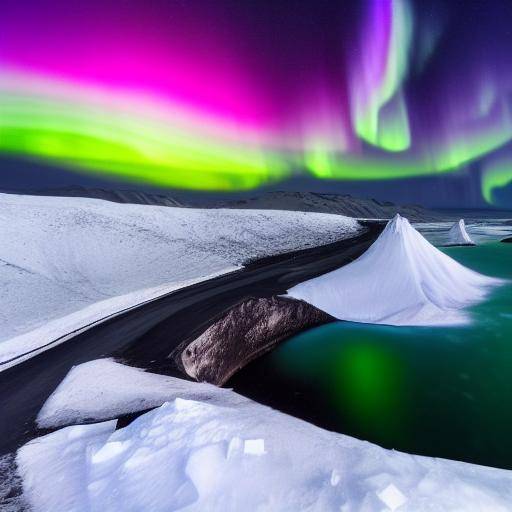
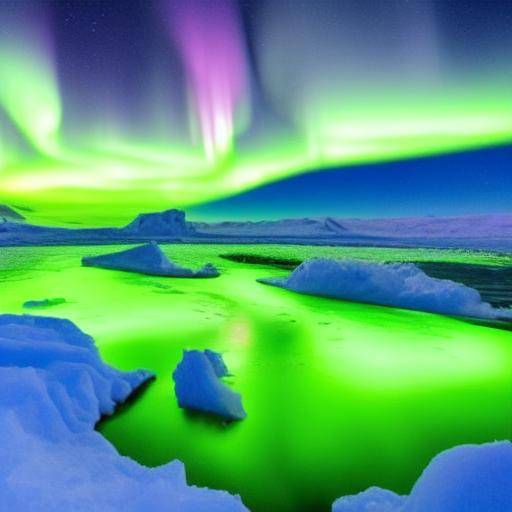
Europe hosts an impressive natural diversity, including a series of volcanic landscapes that captivate visitors with their unique beauty. From imposing peaks to intricate cave systems, these landscapes offer an unforgettable experience for nature and adventure lovers. In this visual guide, we will explore some of the most impressive volcanic landscapes in Europe, highlighting its beauty, history and role in the European ecosystem. Join us on this journey through the volcanic majesty of Europe.
Introduction
Europe, known for its rich history and impressive cultural heritage, also hosts a remarkable collection of volcanic landscapes that have shaped the earth over millennia. From Iceland to Italy, these landscapes dazzle with their unique diversity and beauty. In this guide, we will explore the most outstanding volcanic landscapes in Europe, its distinctive features, its geological and ecological importance, and the incredible experiences that offer visitors.
History and Context
Europe is the continent where volcanic activity has left a significant footprint throughout geological history. From the powerful eruption of Mount Vesuvius in 79 AD until the formation of the volcanic islands in the North Atlantic, the volcanoes have left an indelible mark on the history and culture of Europe.
Some of the best known volcanoes in Europe include Mount Etna in Sicily, which is one of the most active volcanoes in the world and has influenced the daily lives of its inhabitants over the centuries. In Iceland, the Eyjafjallajökull volcano became famous in 2010 for its eruption that paralysed air traffic in much of Europe, demonstrating the global influence of volcanic activity in this region.
Deep analysis
Volcanic activity in Europe has not only shaped the landscape, but has also enriched its biodiversity. Many volcanic regions host unique ecosystems and endemic species adapted to the extreme conditions that volcanoes provide. Volcanic activity has also contributed to the formation of fertile land for agriculture and has provided geothermal resources for the generation of sustainable energy.
Integral Examination
The volcanic landscapes of Europe offer a wide range of opportunities for geological research and environmental education. Many national parks in Europe host active and extinct volcanoes, providing a perfect setting for understanding geological dynamics and the importance of environmental conservation.
Comparative analysis
When comparing the volcanic landscapes of Europe, the similarities and differences stand out. While Mount Etna in Italy exhibits a unique combination of natural beauty and historical influences, Iceland's volcanic landscapes offer an impressive view of geological formation in action, with their recent lava fields and active smokers.
Practical Tips and Accessible Tips
For those who wish to explore the volcanic landscapes of Europe, it is important to take into account certain security considerations and respect for the natural environment. It is recommended to follow the guidelines established by national parks and local environmental agencies, as well as to hire certified guides to maximize experience and minimize environmental impact.
Conclusion
The volcanic landscapes of Europe are natural treasures that offer a unique window to the strength and beauty of nature. From challenging volcanic peaks to the serene lava plains, these landscapes continue to inspire visitors and scientists alike. By exploring these landscapes, we expand our understanding and understanding of the natural history of Europe, as well as our appreciation for the incredible beauty that volcanic activity has forged over millennia.
Frequently asked questions
1. What are some of the most impressive volcanic landscapes in Europe?
Europe hosts a rich variety of volcanic landscapes, including Mount Etna in Sicily, the Vesuvius volcano in Italy, the Timanfaya national park in Lanzarote, and the lava fields of Iceland, among others.
2. How have the volcanoes influenced the history and culture of Europe?
Volcanoes have left a significant mark on European history and culture, from ancient legends about the eruption of Vesuvius to the influence on the daily lives of the communities that have inhabited these regions.
3. What are the risks associated with volcanic activity in Europe?
While volcanic activity can offer unique opportunities for research and education, it also carries potential risks, such as sudden eruptions and toxic gas emissions, which must be addressed with caution.
4. What conservation measures are being carried out in the volcanic landscapes of Europe?
National parks and European environmental authorities have implemented conservation programmes to protect volcanic landscapes, preserve their unique biodiversity and promote environmental sustainability in these regions.
5. What kind of experiences can visitors enjoy in the volcanic landscapes of Europe?
Visitors can participate in guided tours, observe geothermal phenomena, explore volcanic caves, and enjoy the spectacular natural beauty that these landscapes offer.
6. What are some of the positive impacts of volcanic activity in Europe?
Volcanic activity has contributed to the formation of fertile soils, providing geothermal resources for the generation of renewable energy, and has enriched biodiversity in these regions.
In short, the volcanic landscapes of Europe are impressive testimonies of the power and beauty of volcanic activity. From their influence on history and culture to their contributions to environmental science and conservation, these landscapes continue to captivate visitors and scientists alike. By exploring them, we are inspired by the majesty of nature and the importance of preserving these natural treasures for future generations.
With this visual guide, we hope to have aroused your curiosity to discover and appreciate the volcanic landscapes of Europe. Enjoy this amazing natural adventure!