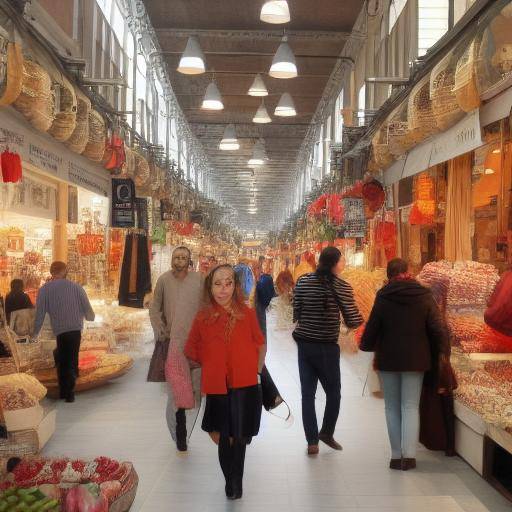
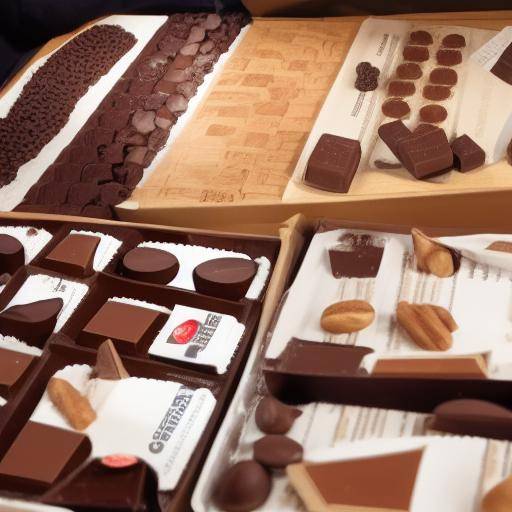
The markets of Europe are a living reflection of the culture and diversity of the continent. From bustling fresh food markets to colorful craft markets, Europe hosts a wide range of markets that offer a unique experience for visitors and locals alike. In this essential guide, we will explore the most vibrant markets in Europe, its history, history, history, culture and emerging trends that make them so special.
Introduction: Exploring the essence of European markets
Europe is known for its rich history and cultural diversity, and markets play a key role in the preservation and transmission of these traditions. In addition to being centers of trade, markets represent a window to the identity of each region, offering an authentic view of its local customs, gastronomy and crafts.
In this guide, we will immerse ourselves in the fascinating history of European markets, explore their influence on current culture, analyze emerging trends and offer practical advice to maximize this unique experience.
History and Background: The Legacy of Markets in Europe
Markets in Europe have their roots in antiquity, being key meeting points for the exchange of goods and products. From medieval markets to modern metropolitan markets, the evolution of these spaces has been marked by a rich history of trade, cultural exchange and economic development.
Origins and early development
The first markets in Europe emerged during the Middle Ages, serving as centers of commerce and socialization in cities and towns. In many cases, these markets became the heart of community life, where farmers, artisans and local merchants offered their products and met with the population.
During the Renaissance, the boom in trade and the flourishing of cities led to the expansion and sophistication of markets. Cultural exchanges between Europe and other regions of the world also left their mark on the diversity of products available in European markets.
Influence in European culture
Markets played a crucial role in the dissemination and preservation of European cultural traditions. From folk music to regional gastronomy, markets have been scenarios where local artistic expressions have been mixed with foreign influences, giving rise to a rich cultural diversity.
Developments and key points
Over the centuries, European markets have experienced different changes and evolutions. Industrial revolution, globalization and technological advances have impacted the way in which markets are traded, although many of these spaces have managed to preserve their traditional essence.
Analysis in Deep: Trends, Challenges and Opportunities
While European markets retain their historic charm, they also face challenges and opportunities in the current context. We will analyze the current situation of markets, their most relevant trends and the aspects that make them unique in the European panorama.
The revitalization of traditional markets
In recent decades, many traditional markets have experienced a resurgence, as consumers look for fresh and local products as well as authentic experiences. The markets have capitalized this interest by offering a wide range of quality products, becoming gastronomic and cultural destinations of reference.
Challenges and adaptation
Despite its rebirth, markets also face challenges in an increasingly competitive environment. The arrival of supermarkets and the growing presence of online trade have put pressure on traditional markets, compelling them to reinvent themselves and adapt to the changing demands of consumers.
Innovation and sustainability
The momentum towards sustainability and responsible consumption has led to a new generation of European markets seeking to promote sustainable practices and offer eco-friendly products. These markets not only focus on selling products, but also serve as spaces to promote environmental awareness and the connection with the local community.
Comprehensive Review: Exploring applications and best practices
In addition to being selling points, European markets also play important roles in promoting tourism, preserving local crafts and promoting cultural identity. In this section, we will examine the various market applications, highlighting the best practices and strategies that have contributed to their relevance in today's society.
Impact on tourism
European markets are popular tourist destinations, as they offer visitors the opportunity to immerse themselves in local culture, discover unique products and experience the authenticity of each region. Its role in promoting sustainable and responsible tourism is key to the development of local communities and the preservation of their cultural heritage.
Promotion of local crafts
Many European markets are recognized as vitrines for local crafts, providing small producers and artisans with the opportunity to exhibit and sell their creations. This promotion of handicrafts contributes to the preservation of traditional techniques and the maintenance of cultural heritage in different regions.
Integration of local gastronomy
Gastronomy is a central element in many European markets, where visitors can enjoy a wide variety of indigenous dishes and regional culinary products. This integration of local gastronomy not only enriches the experience of the market, but also promotes the local economy and promotes the gastronomic heritage of each region.
Comparative Analysis: Markets, Europe and Culture
European markets are vivid reflections of the continent's cultural diversity, offering a unique experience that merges trade, social and cultural elements. In this section, we will compare and contrast the influence of markets on the cultural diversity of Europe, exploring their similarities, differences and the role they play in promoting regional identity.
Regional similarities and differences
Despite sharing certain common features, such as the promotion of local products and social interaction, European markets also exhibit significant differences that reflect the cultural particularities of each region. From the market architecture to the iconic products they offer, every market space is a unique expression of local identity.
Impact on cultural identity
Markets have been fundamental in the preservation and promotion of European cultural identity. Through the sale of traditional products, the promotion of local handicrafts and the holding of regional holidays, markets contribute to keeping alive the cultural traditions and manifestations of each community.
Potential for cultural synergies
In addition to being meeting and trade spaces, markets have the potential to foster cultural synergies by facilitating the exchange between different traditions and artistic expressions. This interaction between cultures creates innovative and enriching dynamics that strengthen the cultural diversity of Europe.
Practical Tips and Accessible Recommendations
To maximize the experience in European markets, it is essential to take into account some practical advice that will allow you to take advantage of your offer and immerse yourself in your characteristic atmosphere.
Exploring with the five senses
When visiting a market, let your senses guide you through the stalls and corridors. Watch the colors and shapes of the products, listen to the sounds of commercial activity, perceive the aromas of local gastronomy, touch the textures of the crafts and, of course, savor the culinary delights offered.
Interacting with the merchants
Take advantage of the opportunity to interact with local merchants and artisans. Question about the story behind your products, learn about the craft techniques you use and discover the stories that hide behind each creation. This personal interaction will give you a more enriching experience and will allow you to appreciate the cultural value of the products you purchase.
Exploring outside the tourist circuits
If you have the opportunity, visit markets that are outside the conventional tourist circuits. These markets often offer a more authentic view of local life and present less marketed products and traditions. Explore these less-known spaces will allow you to discover hidden jewels and immerse yourself in the authenticity of local culture.
Perceptions of Industry and Expert Reviews
To offer a more comprehensive view of European markets, we have compiled the perceptions and opinions of industry experts, who share their vision of the evolution, impact and future of these emblematic spaces.
Reflections on the evolution of markets
“European markets have experienced a remarkable revitalization in recent years, marking a trend towards the valorization of the local and the search for authentic experiences. This rebirth aligns with the growing awareness of sustainability and responsible consumption, which makes markets the protagonists of promoting a more conscious and connected lifestyle with cultural roots." - Dr. Carla Martínez, expert in sustainable tourism.
“The versatility of European markets is one of its greatest strengths. In addition to being selling points, markets have adapted to become gastronomic innovation centres, artisanal exchange and local tourism development. This comprehensive approach has succeeded in attracting new audiences, contributing to the revaluation and relevance of these spaces in contemporary society." - Pablo González, a historian specializing in traditional markets.
Future perspectives for European markets
“While European markets have a long tradition, their capacity for adaptation and renewal is crucial to ensuring their validity in the future. The incorporation of sustainable technologies, the promotion of cultural diversity and collaboration with local communities will be fundamental aspects to ensure the relevance and continuity of markets in the contemporary era." - Marta Ruiz, expert in community development and responsible tourism.
Case Studies and Practical Applications
In order to better understand the impact of European markets, we present some examples of case studies that illustrate how these spaces have generated positive transformations in their local environments and have enriched the experience of those who visit them.
Mercado de la Boquería, Barcelona
The Boqueria Market in Barcelona is a global benchmark for its gastronomic offer, the quality of its products and its cultural relevance. In addition to being a popular tourist destination, the Boqueria has contributed to the revitalization of its urban environment, generating local employment and promoting traditional Catalan cuisine.
Naschmarkt, Vienna
Naschmarkt is one of the oldest and largest markets in Vienna, known for its variety of fresh products, exotic spices and ethnic food stalls. This market has not only fostered culinary diversity in the city, but has also strengthened links between migrant and local communities, enriching the Vienese social fabric.
Portobello Road Market, London
The Portobello Road market is an icon of the British capital, recognized by its eclectic offer of antiques, vintage clothing and collection objects. In addition to being a magnet for collectors, Portobello Road has contributed to the economic and cultural dynamism of the area, attracting visitors from all over the world.
Future Trends and Predictions
As European markets continue to evolve and respond to the changing demands of society, it is important to explore future trends that will mark the course of these iconic spaces in the coming years.
Digitalization and virtual experiences
Digitalization has begun to permeate market experience, with the creation of online platforms that allow consumers to access market products from anywhere. It also provides for increased use of technologies as augmented reality to provide virtual experiences that bring visitors to the atmosphere and products of markets, even remotely.
Approach to sustainability
Sustainability will remain a central hub in the evolution of European markets, promoting responsible trade practices, waste reduction and the adoption of clean energy. Markets are expected to become pioneers of the circular economy, promoting reuse and recycling of products.
Intercultural collaborations
Markets will be enabling spaces for the promotion of cultural integration and intercultural dialogue, encouraging the participation of migrant communities and the promotion of diversity through the provision of multicultural products and experiences.
Conclusion
European markets represent much more than simple commercial spaces; they are true symbols of the diversity, identity and cultural vitality of the continent. From its old roots to its adaptation to contemporary demands, markets have played a crucial role in preserving local traditions, promoting sustainable tourism and promoting indigenous crafts and gastronomy.
Whether it is exploring the historical wealth of a medieval market or enjoying the innovation and authenticity of a contemporary market, experience in European markets is a unique way to connect with the cultural and social essence of each region. As these spaces continue to evolve, their relevance and attractive promise to endure over time.
Frequently asked questions
What is the oldest market in Europe?
The oldest market in Europe is possibly the Great Bazaar of Istanbul in Turkey. With a history dating back more than 550 years, the Great Bazar is a living monument that has preserved the tradition of Eastern trade over the centuries.
What differences exist between Eastern and West European markets?
Eastern European markets are often highlighted by their focus on local traditional products, indigenous crafts and a marked influence on Slavic and Orthodox culture. On the other hand, Western European markets often exhibit a greater diversity of products and reflect multicultural influences due to immigration and international trade.
Do European markets face modernization challenges?
Yes, markets face competition challenges with online supermarkets and trading platforms, as well as the need to adapt to the demands of contemporary consumers. However, many markets have managed to reinvent themselves by offering exclusive products, promoting sustainability and creating unique experiences for visitors.
What role do markets play in promoting sustainable consumption?
European markets are key players in promoting sustainable consumption by offering local, organic and seasonal products, thus fostering responsible and environmentally conscious purchasing practices. The reduction of disposable plastics and packaging is also a trend in many markets as part of their commitment to sustainability.
What impact do markets have on local communities?
Markets are not only commercial spaces, but also meeting points and social cohesion. Frequent by neighbors and visitors, markets contribute to boosting the local economy, generating employment and strengthening the cultural identity of the communities where they are located. By integrating local products and handicrafts, they promote the preservation of traditions and the value of cultural heritage.
How can tourists contribute to sustainable development by visiting European markets?
Tourists can contribute to sustainable development by visiting European markets by purchasing local products and supporting small producers and artisans. The use of reusable bags and the preference for products of sustainable origin also promote responsible and environmentally friendly tourism.
We hope that this guide has given you a complete and enriching view of the most vibrant markets in Europe, its connection with culture and the aspects that make them so special. Whether you are exploring a medieval market in the heart of a historic city or immersed in the vitality of a contemporary market, European markets offer a unique experience that reflects the diversity and cultural wealth of the continent.