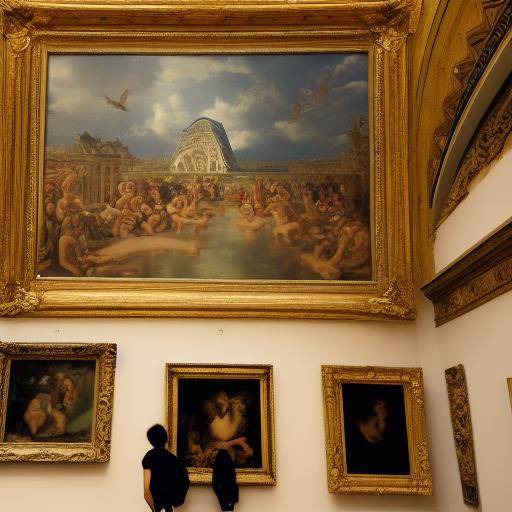
The royal palaces of Europe have been silent witnesses of history, luxury and power over the centuries. These majestic constructions have not only been residences of monarchs, but also the scene of intrigues, romance, war and diplomacy. In this article, we will explore the fascinating history and legacy of the royal palaces of Europe, as well as its relevance in the history of the continent. From the splendor of Versailles to the imposing fortress of the Alhambra, we will discover the cultural and political influence that these monuments have had in Europe over the centuries.
Introduction
The royal palaces of Europe represent the confluence of art, architecture and history, encapsulating the wealth and power of the dynasties that inhabited them. On this journey, we will immerse ourselves in the greatness of these monuments, unraveling the stories surrounding them and exploring their importance in the European context. From the intricate details of its interiors to the vast expanses of its gardens, each palace invites us to explore a legacy that has endured over the centuries.
History and Background
The royal palaces of Europe have roots dating back to ancient times, where royalty sought to assert its power through imposing constructions. The Knossos Palace in Crete, dated around 2000 BC, stands out as one of the first examples. However, the medieval period witnessed a flourishing in the building of palaces, with the intention of projecting the power and grandeur of the monarchs. Subsequently, the Renaissance led to the construction of sumptuous palaces, such as the Palace of Versailles in France, which became a paradigm of luxury and sophistication.
In the context of the Spanish Empire, the Alhambra in Granada is a symbol of Islamic opulence. This fortified palace evokes the majesty of Muslim civilization on the Iberian peninsula. Meanwhile, in northern Europe, the Buckingham Palace in London represents the British monarchy and its role in the history of the United Kingdom.
Analysis in Deep
The historical wealth of these palaces not only resides in its impressive architecture, but also in its influence on the political events that marked the course of European history. The interwoven relationship between palaces, royalty and political power is a recurring theme throughout the history of Europe.
The French Revolution, for example, marked the decline of the monarchical authority incarnated in the fastic Palace of Versailles, symbolizing a radical change in the political and social order of Europe. Similarly, the fall of the Spanish monarchy during the twentieth century had a significant impact on the perception and function of the Alhambra as a historical monument.
Comprehensive review
The royal palaces of Europe are not only testimonies of a rich past history, but also play an active role in promoting tourism and culture today. These monuments attract millions of visitors every year, contributing significantly to the economy and cultural prestige of the host nations. The restoration and preservation of the palaces are continuous efforts that represent a challenge, but at the same time an opportunity to keep their historical heritage alive.
Comparative analysis
Compare the royal palaces of Europe with other manifestations of art and architecture on the continent is revealing. While Gothic cathedrals reflect the influence of Christianity in the Middle Ages, the royal palaces embody the earthly power and the ostentation of royalty. In turn, the ancient Roman and Greek settlements account for the classical origins of Europe, while the royal palaces represented the splendor and grandeur of the monarchies.
Practical Tips and Useful Recommendations
If you have the opportunity to visit one of these palaces, we recommend that you book enough time to explore every corner. Opt for guided tours to get a deeper perspective of history and architecture. In addition, pre-examine visiting schedules and restrictions to maximize your experience. Don't forget to take a camera to capture the imposing beauty of these historic places.
Industry Perspectives and Expert Reviews
Experts in art history and architecture play a fundamental role in understanding and preserving the royal palaces. Their expertise contributes to the valuation of these monuments as centuries-old witnesses of European history. Their views and analysis enrich our understanding of the cultural and political importance of the royal palaces in the European context.
Case Studies and Real Life Applications
The restoration of royal palaces, such as the continuous process at the Alhambra in Granada, exemplifies the combination of tradition and technology to preserve the historical heritage. The challenges and successes in the conservation of these monuments offer valuable lessons on the management of cultural legacy and long-term sustainability.
Future and Prognostic Trends
As cultural tourism and historical consciousness continue to expand, the royal palaces of Europe are expected to remain popular destinations for travellers eager to discover the grandeur of the past. Digitalization and new technologies also offer opportunities for a more immersive and educational presentation of the history of these monuments.
Conclusion
The royal palaces of Europe are incomparable legacy that encapsulate the greatness, luxury and power that have defined the history of the continent. From ancient times to the modern era, these palaces have witnessed and participated in key moments of European history. A journey through these monuments is an invitation to understand, appreciate and celebrate the magnificent cultural and political heritage that has legated mankind.
The stories that shelter these palaces continue to captivate generations, ensuring that their legacy lasts in time and continues to inspire the awe and admiration of those who visit them.
FAQs
What are the most famous royal palaces in Europe?
Europe houses numerous famous royal palaces, including the Palace of Versailles in France, the Alhambra in Spain, the Buckingham Palace in the UK and the Royal Palace of Madrid in Spain.
How did royal palaces influence European history?
The royal palaces have been centers of political and cultural power throughout European history, playing a crucial role in significant events such as wars, peace treaties and revolutions.
What is the role of the royal palaces today?
Today, royal palaces are important tourist and cultural attractions that contribute to the economy and diffusion of European heritage.
What is the oldest royal palace in Europe?
One of the oldest royal palaces in Europe is the Knossos Palace in Crete, whose construction is estimated around 2000 BC.
How are the preservation and restoration of the royal palaces financed?
The preservation and restoration of the royal palaces are funded by a combination of public funds, private donations, tourism revenues and grants specific to the conservation of the heritage.
What is the artistic importance of the royal palaces?
The royal palaces have a rich variety of art, furniture and decorations that represent different styles and artistic periods. His artistic importance lies in being tangible testimonies of the evolution of art and culture in Europe over the centuries.
With this, we concluded our journey through the royal palaces of Europe, a journey through luxury and power that has left a profound mark on European history and identity. Visiting these monuments is immersed in the greatness and opulence that were once the stage of royalty, and that today invite us to explore and understand the history and cultural grandeur of Europe. We encourage you to take your own journey to discover the magnificent palaces of Europe!
With this last reflection, we close our article and invite you to continue exploring the cultural and historical wealth that these monuments treasure.
Thank you for accompanying us on this journey through the royal palaces of Europe!