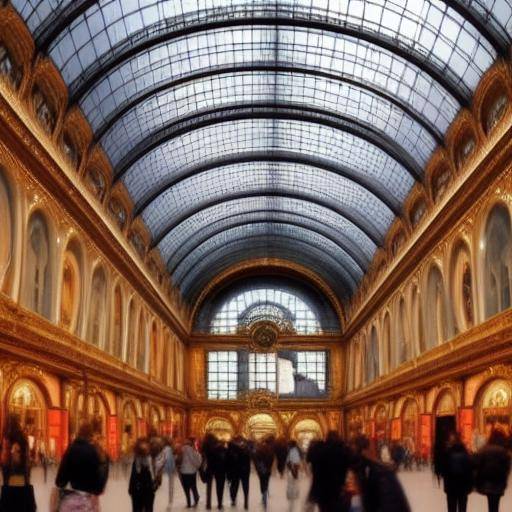
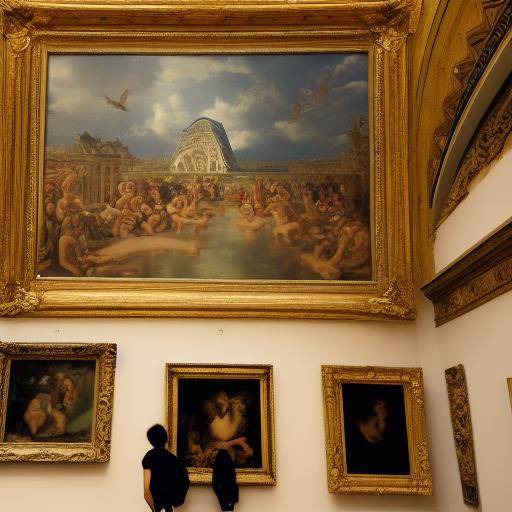
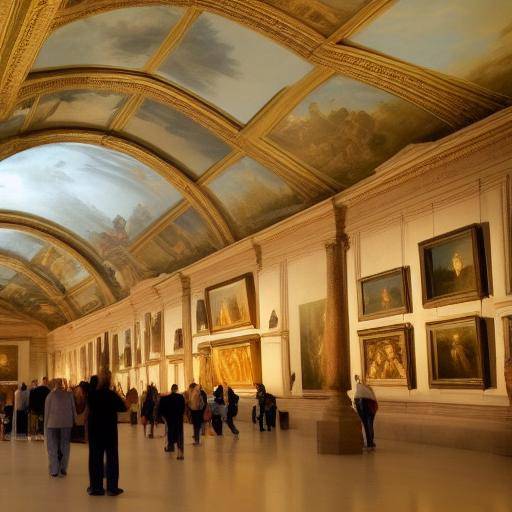
Europe is a continent rich in history, culture and art. European museums offer a unique window to the rich artistic and cultural heritage of the region, hosting some of the most impressive collections in the world. From the masterpieces of the great Renaissance teachers to the innovative contemporary exhibitions, European museums are true treasures that deserve to be explored.
In this article, we will explore the best museums in Europe, giving a detailed look to their collections, architecture and the crucial role they play in the preservation and promotion of art and culture. We will discover the historical wealth that they hold, the artistic jewels they guard and the impermissible routes that offer art enthusiasts and curious travelers.
History and Background
The European museums have their roots in ancient times, where the collections of art and historical artifacts were a sign of prestige and power. One of the first museums was the British Museum in London, which opened its doors to the public on January 15, 1759. Since then, museums have evolved to become institutions that not only preserve cultural heritage, but also promote education and appreciation of art.
Over the centuries, European museums have witnessed crucial moments in the history of art and culture. From the peak of the Italian Renaissance to the forefront of the twentieth century, these spaces have been fundamental to the development and diffusion of art in Europe and around the world.
Analysis in Deep
Creating a unique and enriching experience for visitors is one of the main challenges facing European museums today. With the growing demand for new forms of participation and learning, many museums have used technology to offer interactive and educational experiences. The digitalization of collections and the creation of virtual exhibitions have opened up new possibilities for the public, allowing unprecedented access to the masterpieces of European art.
Full review
European museums have adopted innovative strategies to preserve and promote art and culture in a changing world. From educational programmes to social responsibility initiatives, these cultural spaces have become key actors in promoting diversity and inclusion.
Finally, the commitment to local communities and the creation of global alliances have proved vital to ensure the sustainability and relevance of European museums in the future.
Comparative analysis
The museums of Europe stand out for their diversity and wealth, reflecting the multiplicity of cultures and artistic styles that coexist on the continent. From the iconic Louvre Museum in Paris, known to host the enigmatic Mona Lisa, to the avant-garde Guggenheim Museum in Bilbao, every museum offers a unique and unforgettable experience.
Practical Tips and Useful Tips
If you plan to visit the best museums in Europe, here are some practical tips that will help you get the most out of your visit:
- Pre-research temporary exhibitions.
- Take advantage of guided tours for detailed information.
- Consider acquiring a special pass if you plan to visit several museums.
- It respects the norms of each museum, such as the prohibition of taking photographs in certain areas.
Perceptions and Opinions of Experts
According to the renowned art historian, Elena Martínez, "The museums of Europe constitute an invaluable legacy that transcends borders and connects us with the cultural wealth of the continent. Their role in the preservation and dissemination of art is fundamental for present and future generations."
Case Studies and ApplicationsBritish Museum, London**
The British Museum is a must for lovers of history and archaeology. With a collection ranging from antiquity to the modern era, this museum offers a fascinating view of past civilizations. Key pieces such as the Rosetta Stone and the sculptures of the Parthenon of Athens stand out. The breadth and diversity of its collection makes it an exceptional place to understand the evolution of humanity.
Museo del Prado, MadridThe Museo del Prado, located in the Spanish capital, houses one of the most important art collections in the world. His rooms exhibit unmatched works by artists such as Goya, Velázquez, El Bosco and Rubens. The museum has been able to combine with mastery the conservation of heritage with a dynamic cultural offering that includes temporary exhibitions, conferences and activities for the whole family.
Future Trends and Predictions
The future of European museums is seen in a constant evolution, aimed at diversifying experiences for visitors. The integration of artificial intelligence, increased reality and virtual reality promise to transform the way the public interacts with the collections, bringing the museum experience to new levels of immersion and participation.
Conclusion
The best museums in Europe offer an incomparable experience, enriched by centuries of history, innovation and creativity. Through their collections, architecture and educational programs, they continue to play a vital role in the preservation and promotion of art and culture.
Exploring these cultural treasures is a fascinating journey that allows you to immerse yourself in the artistic and cultural legacy of Europe. Whether you are passionate about classic art, archaeology or contemporary avant-garde, European museums have something extraordinary to offer every visitor.
Frequently asked questions
**What is the most visited museum in Europe?**The Louvre Museum in Paris is widely regarded as the most visited museum in Europe and the world.
**Are there free guided tours in European museums?**Many European museums offer free guided tours in certain days or on specific schedules. It is recommended to consult the official websites of the museums for updated information.
**What is the oldest museum in Europe?**The Kunsthistorisches Museum in Vienna is one of the oldest museums in Europe, founded in 1891.
**Do European museums offer discounts for students and older people?**Yes, most European museums offer reduced rates for students and older people. It is important to consult the specific conditions in each museum.
**What is the best time to visit European museums to avoid agglomerations?**The months from November to March are usually less crowded in many European museums, which can be a good option to avoid crowds.
**What European museum houses the largest collection of contemporary art?**The Centre Pompidou in Paris is known for hosting one of the most important collections of contemporary art in Europe.
Explore the best museums in Europe is an adventure that allows you to discover the cultural and artistic wealth of the region. Each museum is a unique journey through time and space, offering an unmatched perspective on human history and creativity.