European art is a cultural treasure that has endured over the centuries, reflecting the history, creativity and expression of the human being. One of the jewels that guards this wealth is the Louvre Museum in Paris, home to some of the most emblematic works of European art history. In this article, we will enter a fascinating journey through the evolution of European art, exploring its history, its cultural impact and the meaning it treasures at the Louvre Museum. Join us on this journey where we will reveal the mysteries, beauty and diversity of European art over the centuries.
History and Background
European art has been a living testimony of the history of the continent, embodied in paintings, sculptures and other artistic expressions that have transcended time. From the Old Age to the contemporary era, European art has reflected the evolution of society, beliefs and aesthetic ideals of each time. The renowned Louvre Museum, with its vast collections, is witness to this fascinating journey through the centuries.
From the cave art to the masterpieces of the Renaissance, European art has been a manifestation of human creativity and a window to the past. Painting, sculpture, architecture and other forms of artistic expression have survived the vicissitudes of history, leaving an invaluable legacy that is preserved and exhibited at the Louvre Museum.
The Louvre Museum, with its origins in the 12th century as a real fortress, has experienced a metamorphosis over the centuries and has become the epicenter of European art, hosting more than 35,000 works of art that span from Antiquity to the 19th century. This venerable institution bears witness to the evolution of European art and its relevance in the cultural history of the continent.
Analysis in Deep
Within the vast repertoire of European art, it is essential to understand its resonance in society, its influence on artistic movements and its intrinsic significance. The evolution of European art over the centuries has been a reflection of the historical, social and cultural changes, offering a privileged window through which one can understand the mentality and sensitivity of each time.
European art has been a catalyst for aesthetic evolution and a tool for the expression of ideas, emotions and visions of the world. From the majestic Gothic cathedrals to the avant-garde works of the twentieth century, European art has shown the diversity, creativity and innovation that have characterized Western culture over the centuries.
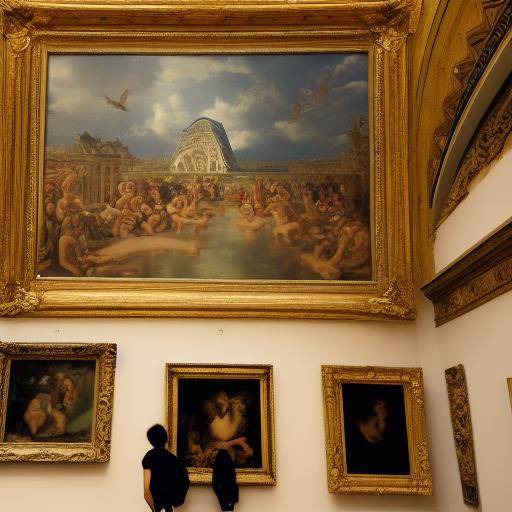
The Louvre Museum is a microcosm where the different artistic trends that have defined the history of European art converge. Each room, every work, moves us to a different era, revealing the nuances and depth of European art throughout the centuries. Contemplating the Gioconda of Leonardo da Vinci or the Victory of Samotracia is to immerse yourself in the essence of European art and understand its transcendence in the cultural legacy of humanity.
Comprehensive review
European art, in its vast diversity, has transcended geographical and temporal borders, connecting generations and transcending linguistic and cultural barriers. Its preservation in emblematic museums such as the Louvre is a work that goes beyond mere conservation, being a testimony of the lasting influence of art in the collective consciousness of humanity.
The Louvre Museum, as an epicenter of European art, offers a unique experience that allows us to appreciate not only the intrinsic beauty of works, but also its historical relevance and its impact on the evolution of plastic arts. The Louvre collection covers a wide spectrum of styles, techniques and themes that illustrate the mastery of European artists over the centuries. From the realistic portraits of Renaissance Italy to the avant-garde creations of the nineteenth century, the Louvre Museum is a compendium of European art in all its magnificence and diversity.
Comparative analysis
By comparing European art with other artistic expressions at the global level, its lasting influence and legacy are appreciated. The history of European art has had an impact on world-wide artistic movements, enriching the cultural heritage of humanity. The Louvre Museum, through its vast collection, exemplifies this global impact and serves as a convergence point for art lovers around the world.
European art, the history of its works and its relevance in the Louvre Museum, invite us to reflect on the cultural wealth and aesthetic diversity that have marked the identity of Europe and its influence in the world. As we enter this vast artistic universe, we find a living testimony of human creativity, artistic ingenuity and the ability to transcend the barriers of time and space through art.
Practical Tips and Accessible Recommendations
If you plan to visit the Louvre Museum to explore European art, we recommend planning your visit in advance. Given the extension of your collections, it is convenient to select the works you want to contemplate previously to make the most of your experience. In addition, we suggest you investigate temporary exhibitions, conferences or special events that can enrich your visit to the Louvre.
To achieve an enriching experience, we advise you to immerse yourself in the history and beauty of European art, allowing you to explore not only the most famous works, but also those that can offer new perspectives and knowledge. Similarly, it is important to maintain an open and receptive attitude, in order to allow the magic of European art to overwhelm you and enrich you in each of the Louvre rooms.
Industry Perspectives and Expert Reviews
According to art experts, the Louvre Museum is not only a treasure for lovers of European art, but also an epicenter of knowledge and inspiration for artists, historians and scholars. It is also a cultural beacon that illuminates the beauty and depth of European art, projecting its influence in contemporary society and generations to come.
The views of art experts reflect the lasting impact of the Louvre Museum and its unique collection on the global cultural landscape. The preservation and diffusion of European art are fundamental to the understanding of our cultural heritage and its relevance in the present world.
Case Studies and Practical Applications of European Art
European art, through the richness of its works, has inspired generations of artists, challenged aesthetic conventions and transcended linguistic and cultural barriers. The impact of European art is evident in various disciplines, from architecture to fashion and contemporary design, demonstrating its validity and ability to reinvent itself in a constantly changing world.
The influence of European art in modern society is palpable through its multiple manifestations in cinema, literature, fashion and architecture. In this sense, the Louvre Museum stands as an inexhaustible source of inspiration and knowledge, nourishing the creativity and knowledge of present and future generations.
Future Trends and Predictions
European art, embodied in the Louvre Museum collection, continues to play a relevant role in the global cultural landscape. Future trends suggest that their influence will last, serving as a source of creativity and inspiration for artists and fans. The Louvre Museum is expected to remain a benchmark for the appreciation of European art and will be crucial in promoting intercultural dialogue through the beauty and meaning inherent in its works.
Conclusion
European art is an inexhaustible treasure of creativity, beauty and history that has left an indelible mark on the heart of humanity. The Louvre Museum, with its exceptional collections, is a cultural beacon that illuminates the legacy of European art and its lasting influence in global society. Through his masterpieces, the Louvre immerses us in a fascinating journey through the centuries, giving us an intimate look at the essence of European art and its transcendent meaning in the contemporary world.
The visit to the Louvre Museum is much more than a tour of the rooms full of art; it is a meeting with the very essence of European civilization and an opportunity to appreciate the beauty, creativity and human talent materialized in the masterpieces it houses. Thus, European art through the centuries comes to life in the Louvre, evoking emotions, awakening curiosity and transcending temporal and cultural borders.
Frequently asked questions
What distinctive characteristics does European art have compared to other artistic manifestations?
European art is distinguished by its diversity of styles, its rich history that spans different eras and movements, as well as its lasting influence on the global artistic landscape.
What is the most emblematic work of the Louvre Museum?
The Louvre Museum houses numerous masterpieces, including the world-famous Mona Lisa of Leonardo da Vinci and the Venus of Milo.
What is the importance of European art in the cultural history of the continent?
European art has been fundamental in the formation of the cultural identity of Europe, reflecting its evolution, aesthetic ideals and its influence in other fields of artistic creation.
What artistic epochs or movements of European art stand out in the Louvre Museum collection?
The collection of the Louvre Museum ranges from Antiquity to the 19th century, highlighting representative works of different periods such as Renaissance, Baroque and Neoclasicism, among others.
How can I prepare for a visit to the Louvre Museum and make the most of the experience?
It is recommended to investigate previously the works and exhibitions you want to visit, use audio guides to get more information and book in advance if possible, to avoid long rows.
What is the impact of European art on contemporary society?
European art remains a source of inspiration and influence in contemporary society, transcending temporary borders and stimulating creativity in various artistic disciplines and areas of culture.
With these answers, we hope to have provided you with valuable information about European art, its history and its reflection at the Louvre Museum, as well as some recommendations to appreciate this artistic richness in all its magnitude.
Concluding, European art through the centuries is a vibrant testament to human creativity, its achievements and its cultural heritage that deserves to be celebrated, preserved and shared with present and future generations. His legacy enriches our lives and reminds us of the magnificence of art in our history and our very existence.