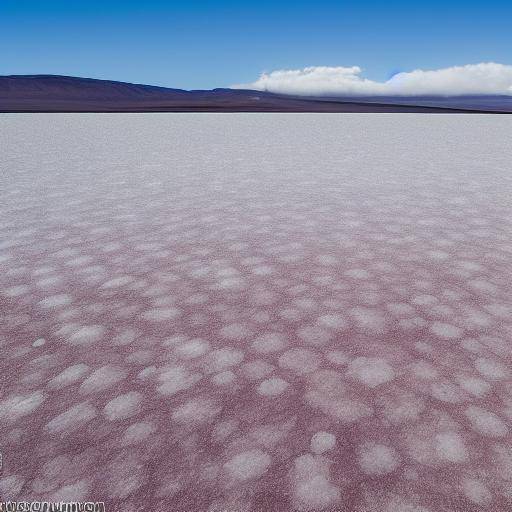
The Salar de Uyuni is a unique place in the world that arouses the admiration of thousands of travelers every year. Its natural beauty, rich history and focus on sustainable tourism make it an exceptional destination that deserves to be explored and preserved. In this immersive guide, we will take you to a journey through the Uyuni Salar, exploring its history, the concept of ecotourism and the importance of sustainability in this paradise. Discover how to care for, enjoy and protect this natural treasure.
Introduction
Welcome to the Salar de Uyuni, the vast salt desert in Bolivia that offers a unique and unforgettable experience. In this article, you will immerse yourself in the history of this place, explore how sustainable tourism can preserve its beauty and learn about the importance of ecotourism in this special environment. Discover how you can enjoy the Salar de Uyuni in a responsible way and how to contribute to its conservation.
History and Background
The Salar de Uyuni has a rich history dating back thousands of years. From its geological formation to its relevance to indigenous cultures, each aspect of this place is fascinating and deserves to be explored. Throughout the centuries, the Salar has witnessed countless events that have made him what it is today, a natural treasure that awakens the curiosity of travelers from around the world.
The exploration of the formation of the Salar de Uyuni, its historical importance for indigenous peoples and its relevance today as a sustainable tourist destination will be central themes in this section. In addition, significant milestones will be highlighted in the evolution of tourism in the area, as well as the precautions necessary for its preservation.
Detailed Analysis
Ecotourism in the Uyuni Salar not only benefits visitors, but also local communities and the environment. In this section, we will explore the challenges and benefits of ecotourism, especially in a unique environment such as the Salar de Uyuni. By presenting statistics, examples and case studies, the importance of integrating sustainable practices in tourism in the region will be illustrated. In addition, current challenges and emerging trends in Salar ecotourism will be considered, providing a deep insight into their current situation.
Comprehensive review
The fragile and exceptional environment of the Uyuni Salar requires special measures of sustainability and care. In this section, the practical applications used to protect this unique ecosystem will be further developed and case studies and best practices will be presented as an example for other tourist destinations and local communities. In addition, through expert opinions, the future of sustainable tourism in Salar will be discussed, highlighting the opportunities and challenges it faces.
Comparative analysis
The Salar de Uyuni, ecotourism and sustainability are closely interrelated, with common objectives that seek to promote a balance between tourism development and the conservation of the natural environment. In this section, these concepts will be compared and contrasted, highlighting the similarities, differences and synergies that exist between them. Detailed examples show how these concepts are integrated into practice and how their coordination can be key to ensuring responsible and sustainable tourism.
Tips and Suggested Actions
If you are planning to visit the Uyuni Salar or are interested in ecotourism and sustainability, this section will provide you with practical advice and actions you can take. From recommendations to reduce your environmental impact to suggestions to support local communities, this section will provide valuable information to make your experience meaningful and sustainable.
Industry Perspectives and Expert Reviews
In this section, we will collect the views of experts in sustainable tourism, ecology and conservation to provide a holistic view on the importance of the Uyuni Salar in the context of sustainable tourism. In addition, future implications and industry trends will be discussed, with an emphasis on technological advances and innovative practices that could influence the sustainable development of tourism in the Uyuni Salar.
Case Studies and Real Life Applications
Case studies will be presented to illustrate how sustainability and ecotourism are effectively applied in the Uyuni Salar and other comparable regions. The results and lessons learned from these applications will be analysed, emphasizing the relevance of these experiences for the care of the natural environment and the well-being of local communities.
Future Trends and Predictions
To close this guide, we will immerse ourselves in emerging trends related to the Uyuni Salar, ecotourism and sustainability. Based on current data and expert opinions, we will explore future predictions and possible challenges and opportunities that will define the path of sustainable tourism in the Uyuni Salar in the coming years.
Conclusion
The Uyuni Salar represents an invaluable natural treasure that deserves to be protected, enjoyed and preserved for future generations. The combination of history, ecotourism and sustainability makes it a unique and exemplary tourist destination. By promoting sustainable practices and a responsible approach to this natural wonder, we can guarantee their long-term preservation.
FAQs
1. How was the Uyuni Salar formed?
The Uyuni Salar was formed as a result of geological transformations over millions of years. The extensive layer of salt originated from the gradual collapse of a prehistoric lake, leaving exposed the salt deposit that characterizes it today.
2. What is the best time to visit the Uyuni Salar?
The dry season, which usually covers the months of May to October, is considered the best time to visit the Salar de Uyuni. During this period, the landscape becomes especially impressive, offering the famous feeling of walking on a salt mirror.
3. What are the sustainability measures implemented in the Uyuni Salar?
Sustainability measures in the Uyuni Salar include limited access to preserve the landscape, promotion of electric vehicles and environmental education for visitors and local communities.
4. How do local communities benefit from sustainable tourism in the Uyuni Salar?
Sustainable tourism in the Uyuni Salar can provide employment and development opportunities for local communities through the creation of cooperatives, local crafts and participation in conservation projects.
5. What is the impact of climate change in the Uyuni Salar?
Climate change is putting pressure on the Uyuni Salar, affecting its ecosystem and natural resources. Awareness-raising and mitigation initiatives are essential to protecting this unique environment.
6. What measures can visitors take to ensure sustainable tourism in the Uyuni Salar?
Visitors can contribute to sustainable tourism in the Uyuni Salar by following established guidelines, respecting the natural environment, supporting local communities and promoting responsible practices during their visit.
With this extensive tour through the Uyuni Salar, ecotourism and sustainability, we hope you have acquired a deep and meaningful understanding of the importance of preserving this stunning natural landscape. By promoting sustainable practices and a responsible approach, we can ensure that the Uyuni Salar remains an exceptional destination for future generations.
Learn more about the Salar de Uyuni, ecotourism and sustainability, and join the mission to protect this natural paradise.