Introduction
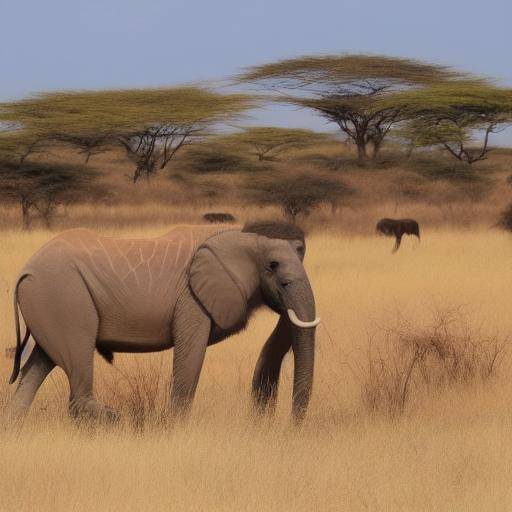
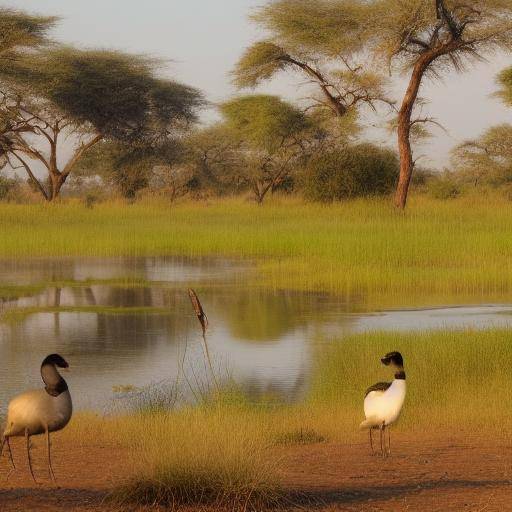
The African savanna is a unique destination that houses an impressive diversity of wildlife and spectacular landscapes. In recent years, there has been a growing interest in promoting sustainable tourism in this region, promoting responsible practices that preserve its rich biodiversity and local cultures. In this article, we will explore in depth the concept of sustainable tourism, its applications in the African savannah, and how sustainability can contribute to the economic, social and environmental development of this region. Join us on this journey to discover how ecotourism can be a powerful tool to preserve the African savannah for future generations.
History and Background
The concept of sustainable tourism is rooted in efforts to preserve the environment and local communities. In the African savannah, this approach has become increasingly relevant as the importance of preserving wildlife and unique ecosystems is recognized. Over the decades, there has been a gradual shift towards more responsible tourist practices that seek to minimize negative impact and maximize benefits for local communities and conservation of the environment.
Sustainable tourism in the African savannah not only seeks to protect nature, but also promote the empowerment of local communities, preserve cultural traditions and raise awareness of the importance of conservation. The joint efforts of governments, non-governmental organizations and tourist companies have led to the implementation of initiatives that seek to balance tourism with long-term conservation, creating a model that benefits all those involved.
Analysis in Deep
Ecotourism in the African savannah not only offers opportunities to experience nature in its most pristine state, but also plays a crucial role in the sustainable development of the region. The benefits go far beyond environmental aspects, as sustainable tourism can be a positive change engine in local communities, providing economic opportunities and fostering wildlife conservation.
However, the road to sustainable tourism in the African savannah is not without challenges. The effective management of the influx of tourists, the protection of fragile ecosystems and the guarantee of a positive impact on local communities are key areas that require constant attention and a collaborative approach.
Comprehensive review
The sustainable approach to tourism in the African savannah has resulted in a number of innovative practices and strategies that seek to balance the enjoyment of visitors with the preservation of the environment. From the development of lodges and ecological camps to the promotion of tourism activities that respect wildlife and local culture, many initiatives are transforming the way tourism is experienced and managed in the region.
The positive implications of ecotourism in the African savannah have been widely documented and supported by studies that demonstrate their environmental, social and economic benefits. These research provides a solid basis for promoting the adoption and expansion of sustainable tourism practices throughout the region.
Comparative analysis
By comparing ecotourism in the African savannah with other forms of conventional tourism, differences in approaches and results are clearly highlighted. While conventional tourism has often been criticized for its negative impact on the environment and local communities, ecotourism offers an alternative model that harmonizes conservation with authentic and responsible experiences for visitors.
Sustainability in the tourism of the African savannah is distinguished by its holistic approach that seeks to improve the quality of life of local communities, preserve biodiversity and raise awareness of the importance of preserving these unique ecosystems. This contrast highlights the importance of adopting sustainable tourism practices to ensure a positive legacy for future generations.
Practical Tips and Accessible Recommendations
If you are interested in participating in sustainable tourism in the African savannah, here are some practical recommendations to maximize your positive impact:
- Book your stay in eco-friendly accommodations that operate in a sustainable way and support local communities.
- Take part in safaris and excursions that respect wildlife observation regulations and minimise animal disturbances.
- It supports local organizations that are committed to the conservation of African savannah and the well-being of local communities.
- Educate other travelers about the importance of travelling responsibly and sustainably in the African savannah.
Industry Perspectives and Expert Reviews
The views of experts on sustainable tourism and conservation of the African savannah provide a valuable insight into the challenges and opportunities facing the region. These experts highlight the importance of integrating sustainable practices into all aspects of tourism, from planning and development to the continued management of tourism operations.
“Sustainable tourism in the African savannah not only benefits nature and local communities, but also offers an enriching and authentic experience for visitors who want to connect with the true essence of Africa.” - María López, Expert in Sustainable Tourism.
Case Studies and Practical Applications in Real Life
Many success stories show how sustainable tourism has positively transformed African savannah. From conservation initiatives led by local communities to tourist companies that prioritize sustainability in all their operations, these examples illustrate the transformative potential of ecotourism in the region.
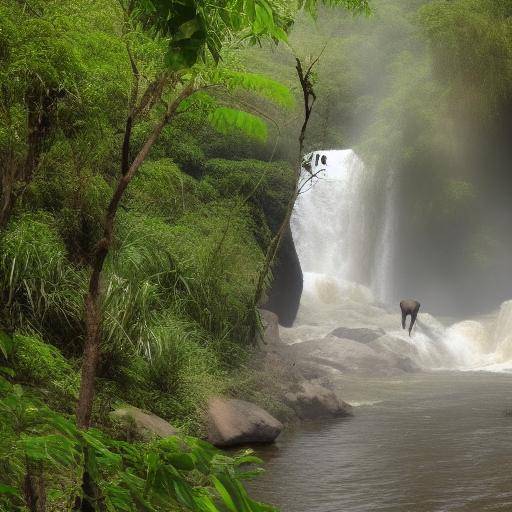
An outstanding example is the community tourism project at Murchison Falls National Park in Uganda, where local communities have taken an active role in managing tourism activities, generating tangible benefits for their development and conservation of the park.
Future Trends and Predictions
The future of sustainable tourism in the African savannah is full of promises and challenges. With the growing global interest in conservation and sustainability, ecotourism is expected to continue to gain momentum in the region. However, effective management of tourism influx, mitigation of negative impacts and promotion of inclusive and equitable approaches will be critical to ensuring long-term sustainable development.
Ecotourism in the African savannah is predicted to evolve into a more integrated approach that addresses not only the conservation of wildlife and ecosystems, but also issues such as climate change, social justice and the preservation of cultural traditions.
Conclusion
Sustainable tourism in the African savannah not only represents an opportunity to experience the natural and wild beauty of Africa, but also plays a vital role in preserving these treasures for future generations. By adopting sustainable practices, travelers can be positive change agents, supporting the conservation of African savannah and contributing to the well-being of local communities. Discover the magic of the African savannah in a responsible and sustainable way!
Frequently asked questions
What is ecotourism and how does it apply in the African savannah?
Ecotourism refers to tourism practices that focus on nature conservation, support to local communities and environmental education. In the African savanna, ecotourism is applied through sustainable safaris, eco-friendly accommodation, and community tourism programs that seek to minimize environmental impact and promote local development.
What are the benefits of sustainable tourism in the African savannah?
Sustainable tourism in the African savannah offers a number of benefits, including biodiversity conservation, income generation for local communities, awareness of the importance of conservation, and the creation of sustainable jobs that respect cultural traditions.
What are the most important challenges for sustainable tourism in the African savannah?
Some of the key challenges to sustainable tourism in the African savannah include the management of tourism influx, the protection of fragile ecosystems, the empowerment of local communities, and the guarantee that tourism practices respect and preserve wildlife and local cultures.
How can I contribute to sustainable tourism in the African savannah as a traveler?
As a traveler, you can contribute to sustainable tourism in the African savannah by choosing tourism operators committed to sustainability, respecting wildlife observation regulations, supporting local communities through community tourism activities, and educating other travelers about the importance of travelling responsibly.
What are some examples of sustainable tourism in the African savannah?
Some outstanding examples of sustainable tourism in the African savannah include conservation initiatives led by local communities, lodges and ecological camps, community tourism programmes, and safaris that respect wildlife observation regulations.
What is the future of sustainable tourism in the African savannah?
Sustainable tourism in the African savannah is expected to continue to evolve towards more integrated approaches that address the challenges of climate change, social justice and the preservation of cultural traditions, while maintaining a balance between the conservation of the nature and well-being of local communities.
With this complete tour of sustainable tourism in the African savannah, we hope to have provided an integral vision that inspires readers to support and participate in travel experiences that promote the conservation and sustainable development of this unique region. Discover the African savannah in a responsible and sustainable way!