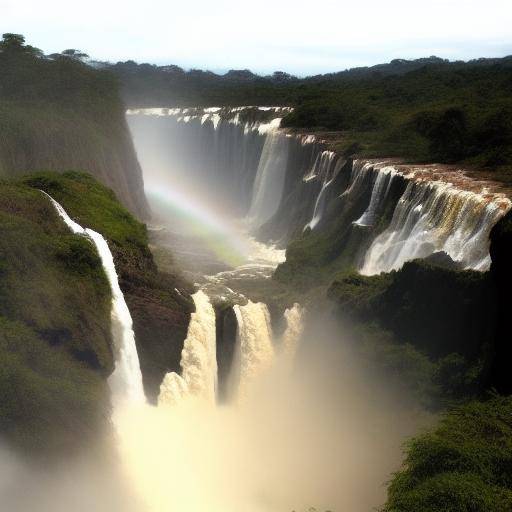
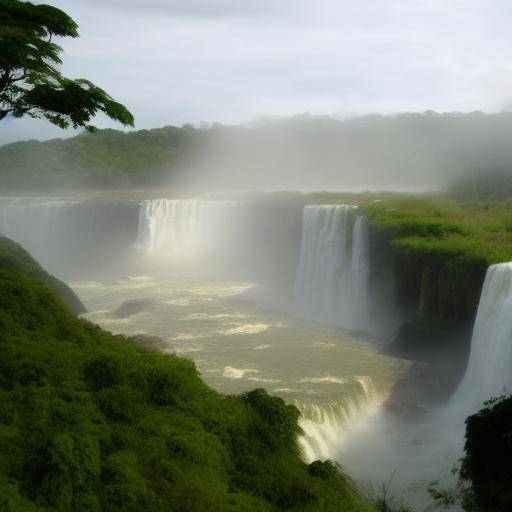
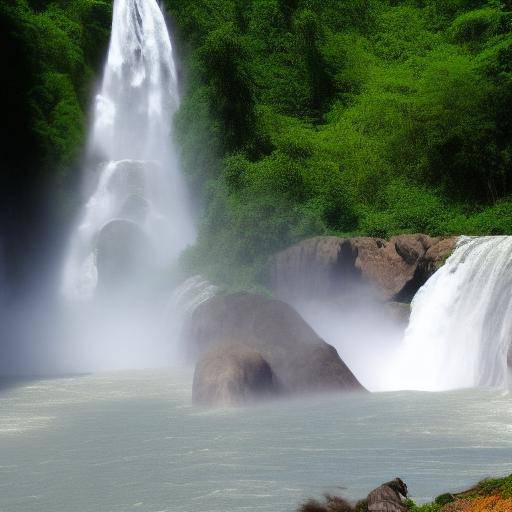
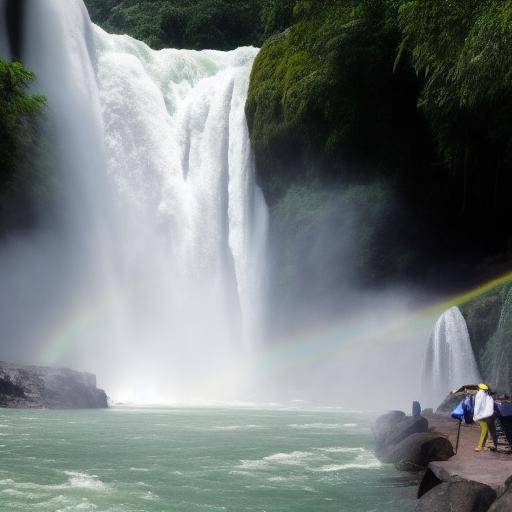
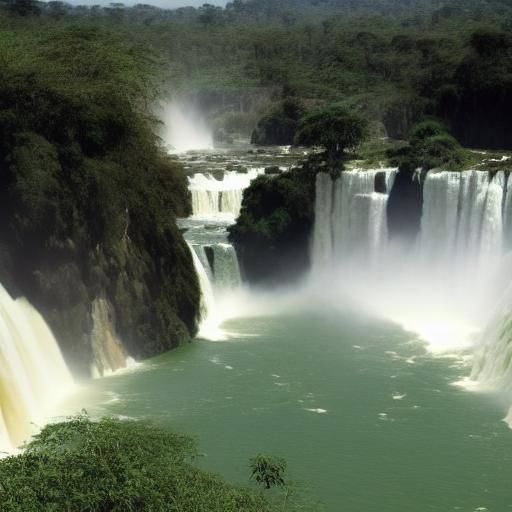
The majestic Victoria Falls, located on the border between Zambia and Zimbabwe, are a world-renowned natural wonder for their beauty and grandeur. However, its popularity also poses challenges in terms of sustainability and conservation. In this article, we will explore the concept of sustainable tourism in the context of Victoria Falls, analyzing its history, environmental impact, ecotourism practices, and the future of sustainability in this emblematic destination.
Introduction
Locally known as "Mosi-oa-Tunya" (The Thunder Smoke), Victoria Falls are a natural wonder that attracts visitors from around the world. This article will examine the importance of sustainable tourism in the preservation of this natural heritage, highlighting the practices of ecotourism and sustainability that can guarantee its long-term conservation. We will explore current challenges, innovative initiatives, and the role of the community in the sustainable management of this iconic destiny.
History and Background
Victoria Falls have been a focal point of fascination for centuries, both for local communities and for European explorers who discovered them in the nineteenth century. Since then, they have witnessed a steady increase in tourism, which has generated a significant impact on the surrounding ecosystem. Over time, various initiatives have been implemented to address these challenges, from creating natural reserves to developing stronger environmental regulations.
Analysis in Deep
In reviewing the benefits of sustainable tourism in Victoria Falls, we find unique challenges and current trends that mark guidelines for a more responsible and respectful approach to the natural environment. Statistics show that sustainable tourism can generate significant economic benefits for local communities, while preserving biodiversity and natural resources. However, there are critical issues related to pressure on ecosystems, waste management and wildlife conservation.
Comprehensive review
In exploring the specific applications of ecotourism and sustainability in Victoria Falls, we see outstanding examples of good practices and responsible management by local authorities and tourist companies. The role of local communities in promoting genuine and sustainable experiences for visitors is critical to ensuring long-term conservation. It is crucial to address the balance between the protection of the natural environment and tourism development, ensuring that future generations can enjoy and learn from this magnificent place.
Comparative analysis
Compared to other iconic tourist destinations, Victoria Falls stand out as an example of harmonization between tourism, ecotourism and sustainability. Similarities and differences regarding other destinations offer important lessons on integrated management of tourism conservation and development. Through a deeper understanding of these aspects, we can identify opportunities to improve the sustainability of tourist destinations in different contexts and geographies.
Practical Tips and Accessible Recommendations
In considering best practices and recommendations for sustainable tourism in Victoria Falls, it is crucial to provide practical guidance for visitors, tour operators and political leaders. These councils include the promotion of low-impact tourism, environmental awareness, active collaboration with local communities, and the implementation of conservation measures. The adoption of these measures can contribute significantly to the long-term sustainability of Victoria Falls and their surroundings.
Industry Perspectives and Expert Reviews
The views of experts and key actors in the field of sustainable tourism provide a valuable insight into current challenges and future opportunities. Sustainability debates focus on finding a balance between tourism development, the conservation of the natural environment and the well-being of local communities. Emerging trends reflect a shift towards more responsible and conscious tourism, which strengthens the need for collaboration and sustainable commitment at the local, national and international levels.
Case Studies and Practical Applications
In analyzing practical cases on the implementation of sustainable practices in tourist destinations, we can learn valuable lessons on real impacts and effective strategies. These studies range from wildlife conservation projects to community tourism initiatives that have proven to be successful models of sustainability and equitable development. The diversity of approaches and results provides an integral view of the opportunities and challenges associated with the implementation of sustainable tourism, providing concrete examples that can inspire future actions and policies.
Future Trends and Predictions
In projecting the future of sustainable tourism in Victoria Falls and beyond, it is essential to consider emerging trends and informed predictions. The integration of sustainability in the planning and management of tourist destinations is expected to be a key element in the next decade, promoting innovation and collaboration for more ethical and responsible tourism. Predictions focus on the growing demand for genuine and sustainable experiences, as well as on the need to develop adaptive strategies to address environmental and social challenges.
Conclusions and FAQs
In short, the approach to sustainable tourism in Victoria Falls is critical to ensuring the long-term preservation of this iconic natural destination. The integration of ecotourism and sustainability practices not only benefits the natural environment, but also enriches the experience of visitors and contributes to the well-being of local communities. As we move towards a more conscious future, sustainability becomes a fundamental pillar for sustainable tourism development worldwide.
Frequently asked questions
1. How does sustainable tourism affect local communities in Victoria Falls?
Sustainable tourism can have significant positive impacts on local communities by providing economic opportunities, strengthening the preservation of culture and promoting community participation in tourism management.
2. What are the main environmental challenges faced by Victoria Falls due to tourism?
Challenges include waste management, biodiversity preservation, the protection of aquatic and terrestrial ecosystems, and climate change mitigation.
3. What practical measures can visitors take to support sustainable tourism in Victoria Falls?
Visitors can contribute to sustainable tourism by choosing certified tourist operators, respect local environmental regulations, participate in community tourism activities and support conservation projects.
4. How does ecotourism relate to sustainability in Victoria Falls?
Ecotourism focuses on the conservation of nature and the active participation of local communities, which contributes directly to sustainability through responsible and low-impact practices.
5. What are the sustainable development opportunities associated with Victoria Falls?
Opportunities include employment creation, sustainable tourism infrastructure development, environmental awareness-raising and the promotion of environmentally friendly tourism activities.
6. What is the role of government authorities in promoting sustainable tourism in Victoria Falls?
Government authorities play a crucial role in establishing regulations and policies that promote sustainable tourism, ensuring the protection of natural and cultural heritage.
Conclusion
In conclusion, sustainable tourism in the Victoria Falls not only represents an opportunity to preserve a unique natural environment, but also serves as an inspiring model for tourist destinations around the world. The integration of ecotourism and sustainability practices is a key part of a holistic approach to tourism development that seeks to harmonize the conservation of natural heritage with the well-being of local communities and the satisfaction of visitors. The promotion of sustainability in emblematic tourist destinations such as Victoria Falls is a collective commitment that opens new perspectives for more ethical, responsible and in harmony with nature.
This article provides an integral overview of the challenges and opportunities associated with sustainable tourism in Victoria Falls, highlighting the importance of preserving the natural environment, community participation and promoting environmentally responsible practices. By adopting an inclusive and collaborative approach, we can ensure that future generations can enjoy Victoria Falls in all their greatness, while contributing to the global conservation of biodiversity and natural ecosystems.