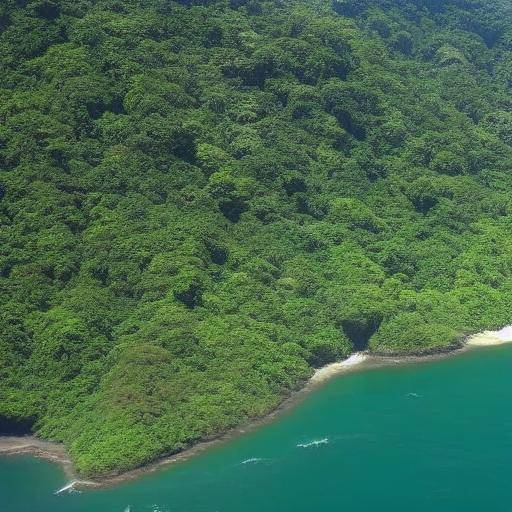
Sustainable ecotourism in United States national parks combines natural beauty with environmental responsibility, providing an enriching experience that protects and respects the unique ecosystems of parks. In this article, we will explore the history, impact, best practices and the future of sustainable ecotourism in US national parks. Join us on this journey to discover the magic of nature and the importance of its conservation!
Introduction
Sustainable ecotourism is a way of travelling that promotes the preservation of the environment, cultural sensitivity and well-being of local communities. In the context of U.S. national parks, this approach is of extraordinary relevance, as these natural spaces host a unique biodiversity and stunning landscapes that deserve to be protected and enjoyed responsibly.
In this article, we will explore the concept of sustainable ecotourism in the context of US national parks, highlighting its importance, benefits, challenges and future perspectives. From its origins to its current impact and emerging trends, our goal is to give you a complete and enriching view of this responsible tourism form.
History and Background
The concept of sustainable ecotourism is rooted in the environmental conservation movement and awareness of the importance of preserving nature. In the context of U.S. national parks, the creation of the National Park System in 1916 marked a crucial milestone in protecting these natural areas.
U.S. national parks emerged as a result of conservation initiatives led by prominent figures such as John Muir and Theodore Roosevelt, who advocated the preservation of the nation's natural beauty. Since then, these parks have been emblematic spaces for conservation, outdoor recreation and sustainable tourism.
Analysis in Deep
Sustainable ecotourism in US national parks promotes a holistic approach that integrates biodiversity conservation, respect for local communities and environmental education. This approach seeks to promote conscious tourism that minimizes the negative impact on fragile ecosystems and enriches the lives of local visitors and residents.
The main challenge is to balance the growing demand for visitors with the long-term preservation of nature. The proper management of recreational activities, environmental education and support to local communities are key elements for achieving genuine and effective sustainable ecotourism in United States national parks.
Comprehensive review
The sustainability approach involves taking responsible practices at all stages of tourism in national parks, from travel planning and transportation to interaction with nature and consumer decisions. Sustainable ecotourism also seeks to raise awareness of the importance of national parks as a shared natural heritage and the need to protect them for future generations.
Comparative analysis
By comparing sustainable ecotourism with other forms of tourism in national parks, it is clear that its approach to conservation and respect for the natural environment significantly differentiates it. While conventional tourism can often have negative impacts on fragile ecosystems, sustainable ecotourism seeks to minimize such effects and promote positive results both for nature and for local communities.
Practical Tips and Accessible Tips
If you are considering exploring a national park in the United States in a sustainable way, here are some practical tips that can help you enjoy an enriching and respectful experience:
- Investigate in sustainable transport options, such as using public transport or sharing trips to reduce the carbon footprint.
- Respect the signs and regulations of the park, including banning plant collection or disrupting wildlife.
- Support local companies and purchase products that promote environmental and social sustainability.
- Participate in environmental education activities and volunteer programs offered by parks to contribute actively to their conservation.
Industry Perspectives and Expert Reviews
Experts on sustainable tourism and environmental conservation emphasize the importance of ecotourism in U.S. national parks as a tool to preserve biodiversity and promote environmental awareness. The commitment to sustainability benefits both ecosystems and local communities, creating a harmonious balance between preservation and the enjoyment of nature.
Case Studies and Real Life Applications
U.S. national parks offer many examples of successful sustainable ecotourism practices, from endangered species conservation programs to responsible tourism initiatives that enrich the lives of visitors and guarantee the protection of natural resources. These cases demonstrate that sustainable ecotourism is a viable and effective approach to the management of national parks for the benefit of nature and society.
Future Trends and Predictions
As awareness of the importance of environmental sustainability and responsible tourism continues to grow, sustainable ecotourism in United States national parks is expected to continue to expand and evolve. Innovations in green technologies, collaboration between key actors and the commitment of visitors will play a crucial role in the development of sustainable tourism that protects and celebrates the natural diversity of these unique spaces.
Conclusions
Sustainable ecotourism in U.S. national parks offers a rewarding and enriching way to explore nature, appreciate its beauty and contribute to its long-term preservation. By adopting a conscious and responsible mentality when traveling, each visitor can become an advocate for environmental conservation and respect for fragile ecosystems that make national parks a treasure for future generations.
Frequently asked questions
What is sustainable ecotourism?
Sustainable ecotourism is a form of tourism that promotes the preservation of nature, respect for local cultures and environmental awareness, seeking to minimize the negative impact on fragile ecosystems and benefit local communities.
What is the importance of sustainable ecotourism in US national parks?
Sustainable ecotourism is crucial to protecting biodiversity, natural habitats and local communities in U.S. national parks, ensuring that future generations can enjoy these unique natural resources.
How can I contribute to sustainable ecotourism in US national parks?
Visitors can contribute to sustainable ecotourism in national parks by adopting responsible practices, supporting local companies, participating in conservation programmes and respecting environmental regulations.
What are the benefits of sustainable ecotourism for local communities?
Sustainable ecotourism can generate economic opportunities for local communities through responsible tourism, job creation and respect for cultural traditions, promoting sustainable and equitable development.
How can you enjoy a US national park in a sustainable way?
Enjoy a U.S. National Park sustainablely implies respecting environmental regulations, participating in educational activities, using sustainable means of transport, minimizing the use of plastics and supporting local companies that promote sustainability.
What impact does sustainable ecotourism have on the conservation of biodiversity?
Sustainable ecotourism can play a crucial role in biodiversity conservation by providing economic incentives to preserve ecosystems, support scientific research and raise awareness of the importance of protecting biodiversity.
What are some U.S. national parks known for their focus on sustainable ecotourism?
Some national parks in the United States, such as Yellowstone, Glacier, Olympic and Acadia, stand out for their commitment to sustainable ecotourism, offering educational programs, wildlife observation opportunities and responsible tourism practices.
In short, sustainable ecotourism in United States national parks represents a unique opportunity to enjoy, preserve and promote the conservation of nature in a harmonious and responsible way. By adopting a conscious and committed approach, visitors can contribute positively to the protection of these natural treasures for generations to come.
Discover the magic of sustainable ecotourism in US national parks and be part of the global effort to preserve the natural beauty of our planet!