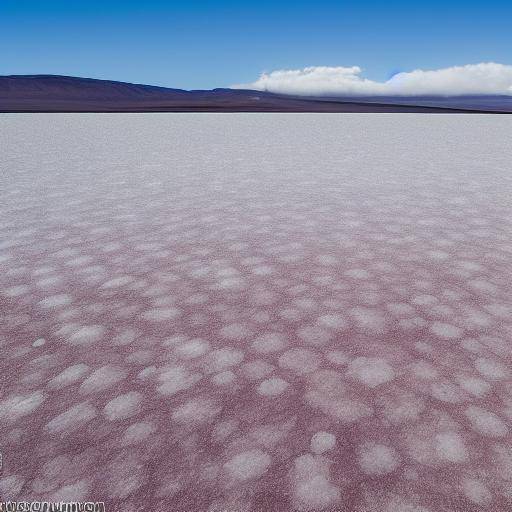
The Salar de Uyuni, in Bolivia, is known as the largest salt desert in the world and is a unique natural show. However, its beauty goes beyond what the eyes can see; it is deeply rooted in the history, culture and coexistence of local communities. In this article, we will explore the intimate connection between the Salar de Uyuni and the traditions of local culture in Bolivia, providing a profound view of its importance and relevance in the current context.
History and Background
The Salar de Uyuni, a vast and captivating salt landscape, is impregnated with history and cultural significance. Its formation dates back to thousands of years, when it was established from prehistoric lakes that evaporated, leaving behind layers of salt and minerals. This site has been crucial for local indigenous communities, who consider it sacred and use it for many purposes, from religious rituals to obtaining salt for daily use.
In the 1500s, the Salar of Uyuni became important for the first Spanish colonizers seeking minerals such as gold and silver. Despite its efforts, the Salar exhibited its true value as a diverse natural resource that provides livelihood and tradition to local communities. This recognition has evolved over the years, and today, sustainable tourism has become a vital component of the local economy, providing employment and development opportunities.
Deep analysis
The rich history of the Salar de Uyuni is not only a testimony of the past, but also a key protagonist in the present. Local communities depend on this vast landscape for their livelihood, transforming salt into artisanal products that are marketed at the national and international levels. However, this delicate balance faces challenges from tourism pressure and over-exploitation of resources, highlighting the need for sustainable and environmentally friendly approaches.
The emergence of tourism in the region has generated economic opportunities, but it also poses challenges in preserving the cultural traditions of the region. Local communities strive to balance the preservation of their cultural heritage with the demands of tourism, intelligently incorporating responsible practices that respect their environment and way of life.
Comprehensive review
The relationship between the Uyuni Salar and local culture is an inspiring example of harmonious coexistence and mutual respect. Local craftsmanship, which is based on the centuries-old traditions, arouses a great interest from both visitors and international collectors. This cultural flourishing has led to an enriching exchange of knowledge and mutual appreciation among local inhabitants and visitors, thus enhancing the link between the Salar de Uyuni and the global community.
Comparative analysis
By comparing the importance of the Salar de Uyuni and the local culture of Bolivia, the singularity of its relationship is highlighted. Unlike other tourist destinations famous for their natural beauty, the Salar de Uyuni stands out for its dynamic role as a meeting point between ancestral heritage and modernity. This is reflected in the way traditions merge with everyday life, creating a unique environment where the preservation of culture and economic flourishing are intertwined.
Practical Tips and Accessible Tips
If you are interested in experiencing the magic of the Uyuni Salar and immerse yourself in the rich local culture, here are some practical recommendations:
- Respect local customs and nature during your visit.
- Support local craftsmen by buying authentic products.
- Opt by tourist operators committed to sustainable practices.
Industry Perspectives and Expert Reviews
To better understand the importance of the Uyuni Salar in the current context, we have gathered the views of experts in the field. According to Bolivian anthropologist María Fernanda Soto, "The Uyuni Salar is not only a natural treasure, but a reflection of the identity and resistance of local communities. Its preservation is crucial to protect the legacy of past generations and to ensure a sustainable future for the next."
Case Studies and Applications in Real Life
The following examples illustrate how the interaction between the Uyuni Salar and the local culture gives life to its cultural and economic heritage:
- EcoLodge Salar de Uyuni: A tourism establishment committed to sustainable tourism practices that promotes responsible interaction between visitors and the local community.
- Colchani Crafts Cooperative: This cooperative integrates local crafts into the tourist experience, preserving traditional techniques and providing economic opportunities to local artisans.
Future Trends and Predictions
As global awareness of the importance of cultural and environmental preservation continues to grow, the Uyuni Salar and local culture are expected to remain key points of interest and conservation. With a renewed focus on sustainable tourism and the protection of cultural heritage, we see a promising future where the coexistence between the saline landscape and the local community is strengthened.
Conclusions
The Salar de Uyuni is more than a tourist destination; it is a vital link between cultural heritage and natural beauty. Its influence transcends the aesthetic mere, penetrating the history, economy, and coexistence of local communities. By preserving and assessing the deep connection between the Uyuni Salar and local culture, we are ensuring a lasting legacy that transcends borders and times, enriching our lives and prospects.
Frequently asked questions
What is the importance of the Uyuni Salar for local communities?
The Uyuni Salar is vital to local communities, as it provides livelihoods through the extraction of salt and crafts, as well as employment opportunities in tourism. In addition, it has a profound cultural and spiritual value.
How can I visit the Uyuni Salar responsibly and respectfully?
When visiting the Salar de Uyuni, it is essential to choose tourist operators committed to sustainable practices, respect local indications, and be aware of the environmental impact of our actions.
What is the most emblematic tradition of local culture in relation to the Uyuni Salar?
The manufacture of crafts with salt is an emblematic tradition in local culture, where artisans use techniques transmitted from generation to generation to create unique pieces that reflect the identity of the place.
How has tourism impacted the lives of local communities in the Uyuni Salar environment?
Tourism has provided economic opportunities to local communities through jobs in the tourism industry and the sale of artisanal products, but it has also raised challenges in the sustainable management of resources and the preservation of local culture.
What is the impact of climate change in the Uyuni Salar and how does it affect local communities?
Climate change has generated concerns about the conservation of the Uyuni Salar, especially regarding the alteration of rain and drought patterns. This may affect the availability of natural resources and livelihoods of local communities.
What measures are being implemented to preserve the local culture and landscape of the Uyuni Salar?
Efforts are under way to promote sustainable tourism, the preservation of cultural traditions and the careful management of natural resources. This includes promoting responsible practices by tourist operators, supporting local artisan cooperatives, and disseminating the importance of cultural heritage in the context of the Uyuni Salar.
In conclusion, the Salar de Uyuni is a natural gem that is intertwined with the rich cultural heritage of Bolivia, forming an inseparable link between tradition and modernity. Their preservation and respect for local communities are fundamental to ensuring a sustainable and enriching future for generations to come. This harmonious coexistence between nature and culture is an invaluable legacy that deserves to be celebrated, protected and shared throughout the world.
With this full vision of the Uyuni Salar and its link to local culture, a deep connection that transcends time and space is revealed, rooting its importance in the traditions and identity of local communities.