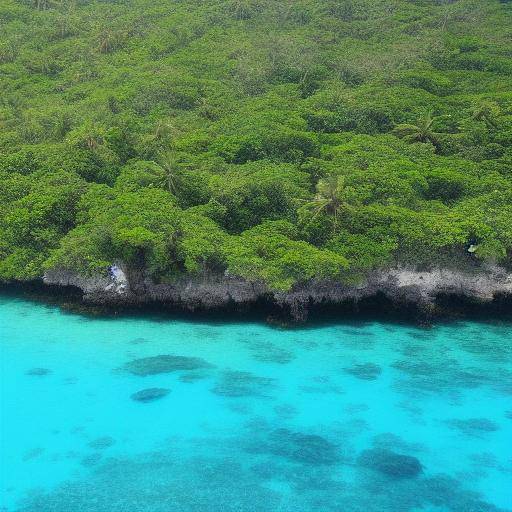
Introduction
Sustainable tourism has now become a priority, especially when it comes to fragile and exceptional natural destinations, such as the Great Barrier in Australia. In this article, we will explore the importance of ecotourism and sustainability in the protection of this natural treasure, as well as its relevance globally. We will discover how conservation efforts and sustainable practices are critical to ensuring the long-term preservation of the Great Barrier Reef. In addition, we will provide practical advice and deepen future trends in this sector, making sure to provide valuable information for nature lovers and conscious travelers.
History and Background
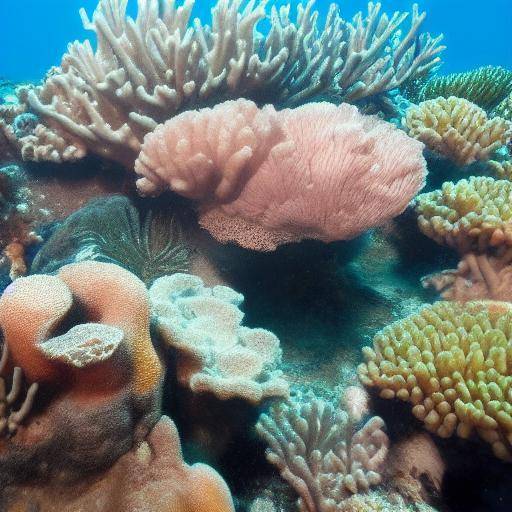
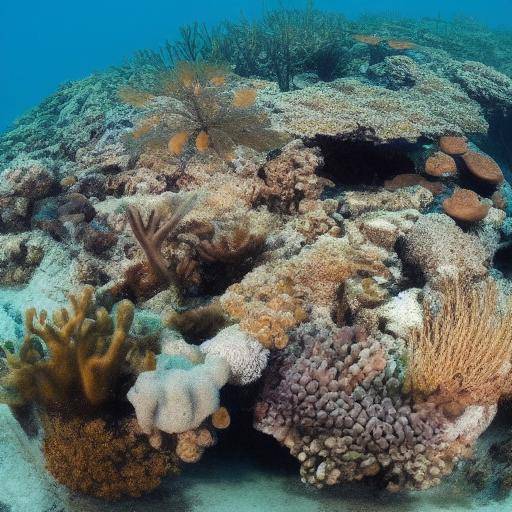
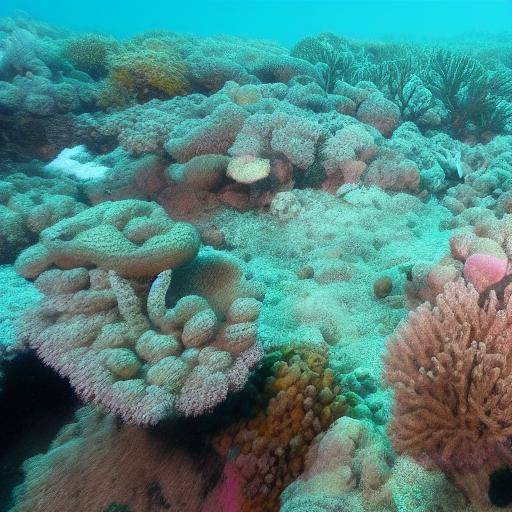
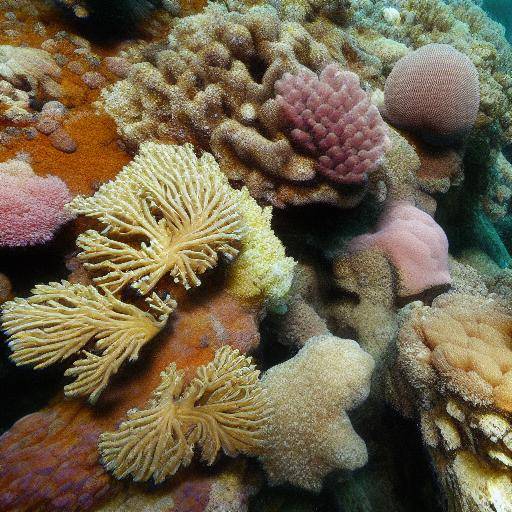
The Great Barrier Reef, located in Queensland, Australia, is the world's largest coral reef system. With an extension of approximately 2,300 kilometers, this natural wonder is home to an incredible diversity of marine life and lush corals. Throughout history, the Great Barrier of Coral has been of cultural, ecological and economic importance both for indigenous peoples and for Australia in general. Since its discovery, it has been a reference point for scientists, conservationists and ocean lovers around the world.
Analysis in Deep
The growth of tourism in the Great Barrier of Coral has raised significant challenges in terms of sustainability. Despite conservation efforts, environmental impact and threats to biodiversity remain areas of concern. Here we will examine in detail the current challenges and ongoing strategies to address them, highlighting the importance of sustainability in managing this unique tourist destination.
Comprehensive review
We will explore the sustainable tourism practices being implemented at the Great Barrier Reef, highlighting how these measures not only preserve the ecosystem, but also provide economic benefits to local communities. We will understand the necessary balance between nature conservation and meeting the needs of visitors, together with innovative technologies that are being used to ensure long-term sustainability.
Comparative analysis
We will compare the Great Barrier Reef with other ecotourism and sustainability destinations around the world, highlighting the similarities and differences in approaches, challenges and successes. We will address the importance of global collaboration in the protection of marine ecosystems and discuss international initiatives that have a direct impact on the conservation of the Great Barrier of Coral.
Practical Tips and Accessible Tips
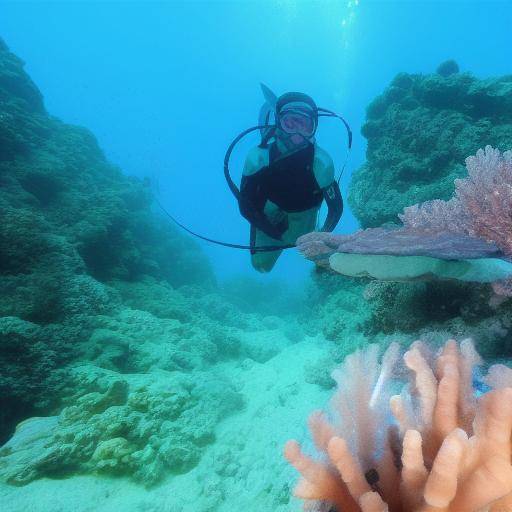
We will provide readers with practical guidelines to participate in sustainable tourism, focusing on how they can contribute to the protection of the Great Barrier of Coral during their visits. From responsible snorkeling and scuba diving practices to the choice of sustainable tourism operators, we will provide you with concrete tools to be responsible travelers.
Industry Perspectives and Expert Reviews
We will give voice to experts in marine conservation and sustainable tourism that will share their ideas on the challenges and opportunities presented in the protection of high ecological value destinations. We will explore how collaboration between governments, non-profit organizations and the private sector can boost sustainable tourism and ensure the long-term preservation of places such as the Great Barrier of Coral.
Case Studies and Real Life Applications
We will present real cases that illustrate how sustainable tourism practices have had a positive impact on the conservation of the Great Barrier in Coral, demonstrating that sustainability is not just an ideal, but an accessible reality. We will analyze lessons learned from these cases and explore how these practices can be applied to other ecotourism destinations around the world.
Future Trends and Predictions
Looking forward, we will examine emerging trends in sustainable tourism and marine conservation, with a specific focus on the Great Barrier Reef. We will develop predictions based on current data and project how sustainability strategies are expected to evolve in the future, taking into account technological advances and changes in global awareness of environmental protection.
Conclusions
In short, sustainability plays a crucial role in the future of the Great Barrier of Coral and all ecotourism destinations in the world. It is essential that both travellers and those responsible for managing tourist destinations recognize their responsibility for the protection of these fragile ecosystems. By adopting sustainable tourism practices, we can ensure that future generations can enjoy the beauty and biodiversity of the Great Barrier of Coral.
Frequently asked questions
What is the importance of the Great Barrier of Coral?
The Great Barrier of Coral is of crucial importance due to its rich biodiversity. In addition to being a unique natural heritage, it also plays a vital role in climate regulation and coastal protection.
What challenges does the Great Barrier of Coral face in terms of sustainability?
The Great Barrier of Coral faces significant challenges such as climate change, pollution, unsustainable tourism and ocean acidification. These impacts threaten your health and biodiversity.
How can tourists contribute to the preservation of the Great Barrier Reef?
Tourists can contribute by taking responsible practices, such as choosing tourism operators committed to sustainability, snorkeling and snorkeling in a responsible way and respecting local regulations.
What is the role of ecotourism in the protection of the Great Barrier of Coral?
Ecotourism plays a crucial role in fostering sustainable practices and raising awareness of the importance of conservation. By promoting ecotourism, you can contribute to the protection of the Great Barrier of Coral.
What are some sustainability measures implemented at the Great Barrier Reef?
Measures such as conservation areas, regulations to reduce the impact of tourism, reef health monitoring programmes and coral restoration projects have been implemented.
Why is it important to preserve the Great Barrier of Coral for future generations?
Preserving the Great Barrier of Coral means protecting an invaluable ecosystem that not only sustains marine life, but also has an impact on people's lives and the ecological balance of the planet.
With the rapid growth of tourism and the environmental challenges we face, sustainability becomes increasingly crucial. The preservation of the Great Barrier of Coral through sustainable tourism is an example of how awareness and action can make the difference in the conservation of our most precious ecosystems.