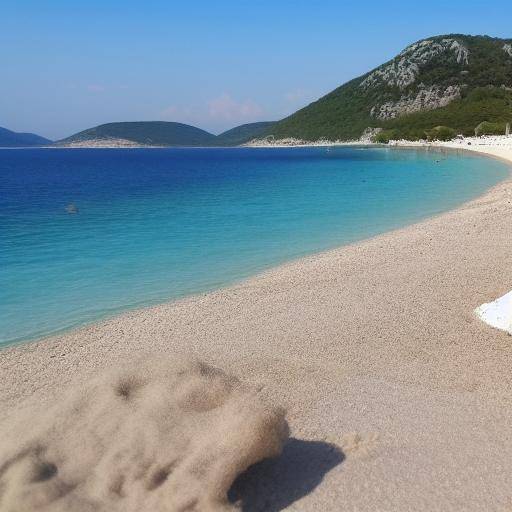
Sustainable tourism has gained great importance in recent years as a responsible alternative that seeks to preserve the environment and local culture. In the case of Phillip Island, located in Victoria, Australia, this approach takes a special meaning thanks to the preservation of one of its most precious treasures: the penguins. In this article, we will explore how ecotourism and sustainability intertwine on this beautiful island, offering a unique experience that cares for the natural environment and respects its inhabitants.
Introduction
Phillip Island, located just over 140 km southeast of Melbourne, is known for its stunning natural beauty and abundant wildlife. One of the main attractions of the island is the natural reserve of Phillip Island Nature Parks, home to one of the largest penguin colonies in the world. In addition to the conservation of these adorable animals, the island has become an authentic example of sustainable tourism, achieving the integration of environmental care with a top-level tourist experience.
History and Background
To understand the importance of sustainable tourism on Phillip Island, it is crucial to get into your history and background. The island has a rich heritage dating back to Australia's precolonial era, where Aboriginal communities maintained a harmonious balance with nature, including coexistence with penguins. With the arrival of European settlers, the island experienced significant changes that had an impact on its ecosystem. However, over time, conservation efforts were being made that led to the creation of the natural reserve and the development of ecotourism as a way of preserving the island and its fauna.
Analysis in Deep
Phillip Island's sustainable approach has generated a number of benefits for both the local community and visitors. In addition to the protection of wildlife, there have been positive impacts on the local economy and the environmental awareness of tourists. However, there are also challenges, such as the balanced management of tourism so as not to disturb the natural habitat of penguins. It is essential to analyse these aspects in detail to understand the complexity of sustainable tourism in this specific context.
Comprehensive review
Sustainable tourism in Phillip Island offers various opportunities to observe exemplary practices in action. From the implementation of eco-friendly technologies in tourist infrastructures to the collaboration with the local community in environmental education programmes, the island has managed to integrate sustainability in every aspect of its tourist offer. Exploring these approaches allows us to understand how commitment to conservation can coexist with an attractive and enriching tourist experience.
Comparative analysis
Compare Phillip Island with other tourist locations highlights its outstanding achievements in terms of sustainability. The effective management of the influx of visitors, the protection of indigenous fauna and flora, and the promotion of environmentally friendly practices are areas where the island stands out. Understanding these differences and similarities gives us a valuable perspective on how other destinations can follow their example.
Practical Tips and Accessible Recommendations
If you plan to visit Phillip Island and participate in sustainable tourism, it is crucial to take into account certain recommendations. From choosing sustainable accommodation to participation in conservation activities, there are many ways to contribute to the protection of the natural environment while enjoying your stay. These tips can help tourists to be an active part of the island's preservation.
Industry Perspectives and Expert Reviews
Exploring the visions and opinions of experts in sustainable tourism gives us a deeper understanding of the challenges and opportunities at stake. In addition, it allows us to anticipate future trends and foresee possible developments in the sector. The voices authorized in the industry have much to say about the impact of ecotourism and sustainability, as well as about best practices to follow.
Case Studies and Real Life Applications
Analyzing practical cases that illustrate the successful implementation of sustainable tourism strategies in other destinations can offer valuable ideas for Phillip Island. These examples allow us to understand how theories translate into practice and what tangible results can be expected when conservation and tourism are effectively combined.
Future Trends and Predictions
Based on the knowledge gained, it is possible to project future trends in sustainable tourism on Phillip Island and globally. From the use of emerging technologies to the evolution of the preferences of environmentally conscious travelers, there are many variables that will shape the future of sustainability in tourism. These predictions can help the actors involved prepare for what is to come.
Conclusions
Sustainable tourism in Phillip Island represents an exemplary model of harmonious coexistence between tourism and the preservation of the natural environment. This approach not only protects penguins and their habitat, but also enriches the experience of visitors by creating more conscious and responsible tourism. By adopting lessons learned in this case, other destinations can follow the path to broader and more meaningful sustainable tourism.
Frequently asked questions
Why is sustainable tourism important on Phillip Island?
Sustainable tourism in Phillip Island is crucial to preserve the natural beauty of the island and protect its most emblematic inhabitants, the penguins. It also contributes to the development of the local community in a responsible manner, generating economic benefits and promoting environmental awareness.
What measures have been implemented to promote sustainable tourism on Phillip Island?
Phillip Island has implemented measures such as waste management, the promotion of responsible tourism practices, environmental education and the use of renewable energy to promote sustainable tourism. Visitor limits have also been established in sensitive areas to protect wildlife.
What is the impact of sustainable tourism on Phillip Island's local economy?
Sustainable tourism has contributed positively to the local economy of Phillip Island, providing jobs in the tourism sector and supporting local businesses committed to sustainability. The visit of responsible tourists also promotes the conservation of the island.
How can I contribute to sustainable tourism during my visit to Phillip Island?
Visitors can contribute to sustainable tourism in Phillip Island by choosing accommodation and tourism companies committed to sustainability, respecting local standards and participating in activities that promote conservation and environmental education.
What are the challenges of sustainable tourism on Phillip Island?
Some of the challenges of sustainable tourism in Phillip Island include the effective management of the influx of visitors to avoid disturbances in the natural habitat, as well as the need to mitigate the environmental impacts resulting from the tourist activity on the island.
How has Phillip Island adapted to meet the challenges of sustainable tourism?
Phillip Island has implemented visitor management strategies, such as access limitations to sensitive areas, as well as conservation and environmental education programs aimed at both residents and tourists. These actions seek to mitigate the negative impacts of tourism on the island.
In conclusion, sustainable tourism in Phillip Island stands out as an inspiring model for the successful integration of environmental conservation and tourism experience. With well-established sustainable practices, a balanced approach between protection and enjoyment, and a firm commitment to the local community, the island demonstrates that tourism can coexist in harmony with the preservation of the environment. By adopting these principles, the protection of natural places and emblematic species, such as penguins, is not only guaranteed, but also promotes more conscious and respectful tourism around the world. As witnesses to this example, we can move towards a future where sustainable tourism is the norm, ensuring the conservation of our planet for generations to come.