The African continent is known for its amazing diversity of wildlife and impressive national parks that offer the unique experience of safaris. However, in recent years, the focus on sustainability in this form of tourism has grown significantly. In this article, we will explore the concept of sustainability in safaris, the growing interest in ecotourism and how these practices are contributing to the preservation of African natural heritage.
Introduction
The safaris, also known as "photography hunt", represent an opportunity for nature lovers and wildlife to observe animals in their natural habitat. This type of tourism has evolved to focus not only on animal observation, but also on conservation and respect for the natural environment and local communities. This article will explore the evolution of safaris towards a more sustainable practice, the role of ecotourism in the preservation of the environment and how these trends are shaping the future of tourism in Africa.
History and background
The origin of safaris
The safaris have their roots in hunting, a practice that was popularized in Africa during the nineteenth century. As the interest in trophy hunting decreased, the focus shifted towards animal sighting in its natural environment. This transition marked the beginning of what we know as "photographic safari" or "tourist safari".
Development and evolution
The way safaris are conceived and performed has undergone significant transformation. Over time, greater emphasis has been placed on the preservation of wildlife, the protection of ecosystems and the positive impact on local communities. Tourist operators have taken an active role in promoting sustainable practices, leading to the creation of natural reserves and protected areas.
Challenges and achievements
In recent years, there has been a growing recognition of the importance of sustainability in safaris. International agencies, Governments and conservation groups have worked to establish guidelines and standards that promote environmental protection and equitable participation of local communities in the tourism industry.
In-depth analysis
Benefits of ecotourism
Ecotourism has become a key approach to sustainable development in Africa. By promoting the preservation of ecosystems and the active participation of local communities, ecotourism has proven to be an effective tool for the conservation of biodiversity and the empowerment of local populations.
Current challenges
Despite progress in implementing sustainable practices, tourism in Africa continues to face significant challenges. The pressure on ecosystems, the impact of climate change and the management of tourism influx are key issues that need to be addressed to ensure long-term sustainability.
Current trends
The integration of sustainability in safaris and the growth of ecotourism have led to greater environmental awareness among travelers and a change in the expectations of the tourist experience. Increasingly, tourists seek authentic experiences that support the natural environment and contribute to the well-being of local communities.
Full review
Applications and best practices
The implementation of sustainable practices in safaris includes the adoption of ecological technologies, the promotion of corporate social responsibility and collaboration with local communities to ensure a positive impact in the region.
Perspectives of experts on the future
Experts on sustainable tourism agree that commitment to sustainability in safaris is critical to ensuring the long-term conservation of African ecosystems. The active participation of Governments, tourism operators and local communities is essential for promoting a holistic approach that takes into account both environmental protection and sustainable economic development.
Comparative analysis
Safaris vs. ecotourism: similarities and differences
While traditional safaris focus on wildlife observation, ecotourism encompasses a wider range of activities that seek to minimize environmental impact and maximize benefits for local communities. Both approaches share the common goal of preserving natural resources, but differ in their operational approaches and the experiences they offer to tourists.
Sustainability in tourism: integrating approaches
Sustainability has become a central hub in the planning and implementation of safaris and ecotourism experiences. The integration of sustainable practices at all stages of the trip, from planning to activity itself and interaction with local communities, has proven to be key to ensuring responsible and low-impact tourism.
Practical advice and recommendations
How to be a responsible tourist in a safari
- Choose tour operators committed to sustainability and conservation.
- Respect the guidelines for ethical behavior in wildlife encounters.
- Support local communities by purchasing products and services directly from them.
How to contribute to sustainable ecotourism
- Opt for accommodation that promote sustainable practices, such as the use of renewable energy and responsible waste management.
- Participate in activities that encourage respect for nature and local culture, such as guided walks and visits to conservation projects.
Industry perspectives
Advances in sustainability and ecotourism have generated a significant change in the way safari experience is conceived and marketed. Industry experts agree that commitment to conservation and sustainability is not only ethical, but also a crucial factor in maintaining the long-term viability of the tourism industry in Africa.
Case studies and practical applications
Conservation of endangered species: the role of safaris
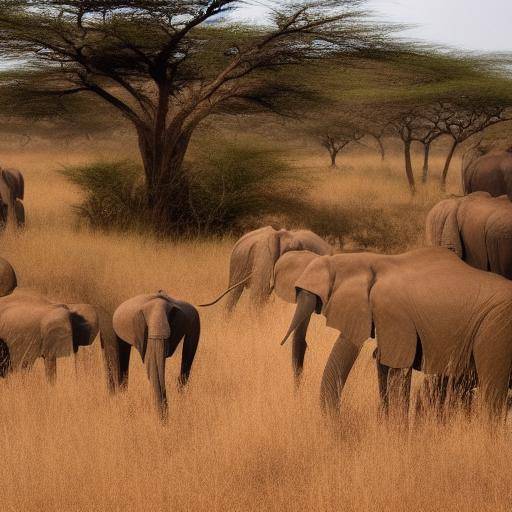
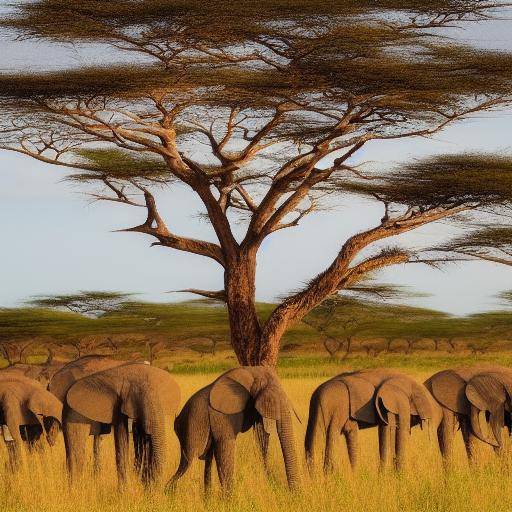
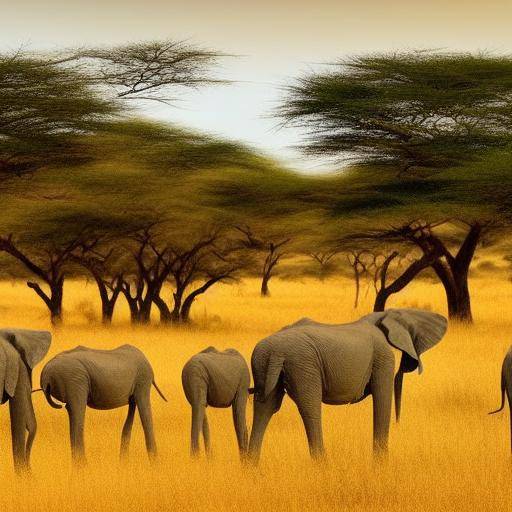
The boom in wildlife-centred tourism has significantly contributed to the protection of endangered species, such as the white rhinoceros and the African elephant. The safaris have funded conservation programmes and helped raise awareness of the importance of protecting African fauna and flora.
Socioeconomic implications of ecotourism
Ecotourism has proven to be a vital source of income for local communities, generating employment opportunities and economic empowerment. It has also encouraged the preservation of traditional practices and cultural pride, promoting greater respect for Africa ' s natural and cultural heritage.
Future trends and predictions
Future of sustainable tourism in Africa
Sustainability and ecotourism are expected to continue to play crucial roles in Africa ' s tourism configuration. With a renewed focus on conservation, technological innovation and environmental education, safaris and ecotourism experiences are expected to evolve to provide travellers with greater commitment to the preservation of the African environment and cultural legacy.
Conclusions
The movement towards sustainability in safaris and the growth of ecotourism are testimony to the paradigm shift in the tourism industry in Africa. By adopting more environmentally-friendly practices and local communities, safaris and ecotourism not only offer enriching experiences for travellers, but also contribute significantly to the conservation of biodiversity and the sustainable development of the region.
FAQs
What is a safari and how has it evolved over time?
Since its origin as a hunting activity, the safari has evolved into an experience focused on wildlife observation in its natural environment, prioritizing conservation and respect for the environment.
What is the impact of tourism on wildlife conservation in Africa?
Sustainable tourism has proven to be a crucial tool for wildlife conservation in Africa by providing funds for conservation programmes, raising awareness of the importance of protecting fauna and flora, and supporting the economic development of local communities.
How can I contribute to sustainable ecotourism during a safari?
It can contribute to sustainable ecotourism by choosing tourism operators committed to sustainability, respecting ethical behavior guidelines in wildlife encounters and supporting local communities through the purchase of products and services directly.
What is the difference between a traditional safari and ecotourism in Africa?
While a traditional safari focuses on wildlife observation, ecotourism encompasses a wider range of activities aimed at minimizing environmental impact and maximizing benefits for local communities, promoting sustainable and environmentally friendly approaches.
What are the socio-economic benefits of ecotourism in Africa?
Ecotourism has proven to be a vital source of income for local communities by generating employment opportunities and economic empowerment, as well as by fostering the preservation of cultural and traditional practices, promoting greater respect for the natural and cultural heritage of Africa.
What is the role of sustainability in the future of tourism in Africa?
Sustainability will play a crucial role in the future of tourism in Africa, promoting greater environmental awareness among travelers, promoting responsible and ethical practices, and contributing significantly to the preservation of the region's natural and cultural heritage.
In short, the focus on sustainability in safaris and the growth of ecotourism are indicative of a positive change in the tourism industry in Africa. These practices not only offer enriching experiences to travelers, but also contribute significantly to the conservation of biodiversity and the sustainable development of the region.
With the continued commitment to sustainability and preservation, safaris and ecotourism have the potential to remain an engine for the protection of African natural heritage, while offering memorable and meaningful experiences to travelers around the world.