Sustainable tourism in Torres del Paine is more than a trend; it is a need in a world where the preservation of the environment and the conservation of natural beauty are inescapable priorities. In this article, we will explore the fascinating intersection between the iconic beauty of Torres del Paine, ecotourism and sustainability. We will discover how the efforts to preserve this natural paradise have led to a unique tourist model that balances the traveler's experience with the conservation of the environment. From its history to current practices and future trends, immerse yourself in the wonderful reality of sustainable tourism in Torres del Paine.
History and Background
Origins and Evolution
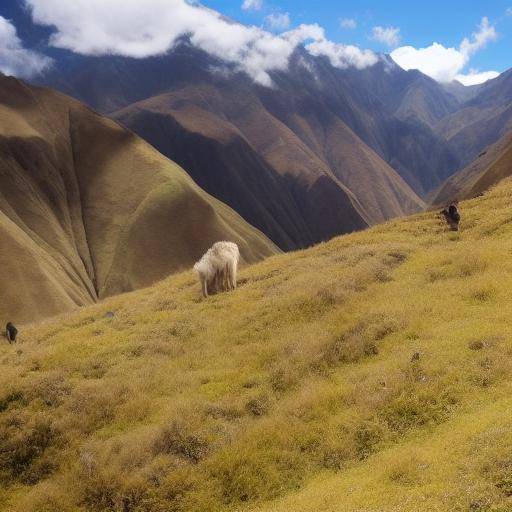
Torres del Paine, located in the Magellan region of Chile, is a national park recognized by its dazzling landscape composed of imposing mountains, sparkling glaciers and lakes of a deep blue. This natural paradise has been a magnet for travelers and nature lovers for decades. From its beginnings as a protected area to its evolution as a world-renowned tourist destination, Torres del Paine's story is a story of coexistence between environmental preservation and human experience.
Until the 1970s, Torres del Paine was largely a remote and unexplored destination. With the growing popularity of ecotourism in the later years, the park experienced a significant increase in the number of visitors. This increase prompted the need for policies and practices to ensure the preservation of their fragile ecosystem.
Key developments
In 1978, Torres del Paine was declared a UNESCO Biosphere Reserve, recognizing its global ecological importance. This designation not only raised the status of the park, but also established a firm commitment to conservation and sustainable development. The establishment of park trails in the 1980s and the reinforcement of measures to limit human impact marked a significant change in tourism management in Torres del Paine. These actions laid the foundation for a more sustainable and responsible approach in the tourism industry in the region.
Analysis in Deep
Benefits of Sustainable Tourism
Sustainable tourism in Torres del Paine has provided many benefits to both the local community and the natural environment. In promoting responsible tourism practices, the unique biodiversity of the park has been preserved, while awareness has been raised about the importance of preserving natural and cultural heritage.
Income generated through sustainable tourism has supported ecosystem conservation and restoration, as well as initiatives to empower local communities. This has led to greater participation and benefits for those who depend on the park environment for their livelihood.
Challenges on the Way
Despite significant progress, sustainable tourism in Torres del Paine is not without challenges. The management of tourist influx, waste management and environmental impact mitigation remain crucial concerns. These challenges require a holistic and collaborative approach that involves all stakeholders, from tourist operators to local and national governments.
Comprehensive analysis
Current Practices and Trends
Current sustainable tourism practices in Torres del Paine focus on environmental education, waste management, biodiversity conservation and sustainable infrastructure development. Initiatives such as sustainable tourism certification and the promotion of low environmental impact activities are gaining ground, shaping a tourism model that seeks to balance the enjoyment of nature with its long-term conservation.
Diverse Perspectives
Opinions about sustainable tourism in Torres del Paine are varied and enriching. From the local community to researchers and travelers, each voice provides a unique perspective. Some strongly support the current approach, while others advocate stricter measures to protect the park. This diversity of views reflects the complexity and importance of finding a balance between tourism and sustainability.
Comparative review
Torres del Paine vs. Other destinations
Compare Torres del Paine with other tourist destinations reveals its uniqueness in terms of focus on sustainability and conservation. While some destinations sacrifice environmental preservation for the sake of mass tourism, Torres del Paine has managed to maintain a delicate balance between the preservation of its natural environment and the creation of meaningful experiences for travelers.
Ecotourism and Sustainability
Ecotourism and sustainability are key pillars in Torres del Paine management. Through sustainable practices and the promotion of conscious tourism, the park has positioned itself as an exemplary example of how tourism can coexist in harmony with nature.
Practical Tips and Accessible Recommendations
How to Contribute as Traveller
When visiting Torres del Paine, travelers can actively contribute to the conservation of the park through low-impact practices, the adoption of sustainable tourism principles and supporting local businesses committed to sustainability. Small individual actions can make a big difference in the preservation of the natural environment.
Suggestions for Tourist Operators
Tourist operators play a crucial role in promoting and fulfilling sustainable tourism. From the choice of local suppliers to the implementation of environmental management policies, tourist operators have the opportunity to lead the change towards a more sustainable and ethical model.
Industry Reflections and Expert Reviews
The future of sustainable tourism in Torres del Paine is closely linked to the perspectives of industry experts. Their analysis and vision provide a valuable guide to shape future strategies and strengthen commitment to sustainability.
Case Studies and Real Life Applications
Inspiring examples
Torres del Paine National Park hosts many inspiring examples of how sustainable tourism can generate tangible benefits for environmental conservation, local community and traveler experience. These cases illustrate the opportunities and challenges associated with sustainable tourism in an environment as unique as Torres del Paine.
Future Trends and Predictions
Emerging progress
With the growing global awareness of the importance of sustainability, sustainable tourism in Torres del Paine is expected to continue to evolve. Advances in sustainable technologies, innovative approaches to visitor management and increased collaboration among stakeholders could shape a promising future for park tourism.
Conclusion
In conclusion, sustainable tourism in Torres del Paine has shown that it is possible to balance the preservation of the environment with significant tourist experiences. As travelers, local communities and conservation advocates continue to collaborate, Torres del Paine's legacy as a sustainable tourism model will last for generations to come.
FAQs
What are the biggest challenges in managing sustainable tourism in Torres del Paine?
The control of mass tourism, waste management, the conservation of indigenous flora and fauna and the active participation of local communities are some of the most outstanding challenges in the management of sustainable tourism in Torres del Paine.
How can a traveler contribute to sustainability when visiting Torres del Paine?
Travelers can contribute to sustainability by visiting Torres del Paine through low-impact practices, respecting the park's standards, choosing tour operators committed to sustainability and participating in conservation initiatives.
What measures have been implemented to mitigate the environmental impact of tourism in Torres del Paine?
Various measures have been implemented, such as the delimitation and regulation of trails, waste management, the promotion of environmental education, the use of sustainable infrastructures and the controlled limitation of visitors in certain areas, in order to minimize the environmental impact of tourism in Torres del Paine.
What is the role of local communities in sustainable tourism in Torres del Paine?
Local communities play a crucial role in sustainable tourism in Torres del Paine, as their active participation not only strengthens the social fabric, but also allows them to benefit economically from tourism, promoting respect for culture and nature.
How have sustainable tourism policies developed in Torres del Paine over the years?
Sustainable tourism policies in Torres del Paine have evolved from an initial approach to environmental protection to a comprehensive model covering conservation, local development and environmental education, adapting to the challenges and opportunities that have arisen over time.
What impact has sustainable tourism had on the conservation of biodiversity in Torres del Paine?
Sustainable tourism has contributed significantly to the conservation of biodiversity in Torres del Paine by promoting responsible practices, generating funds for conservation projects and raising awareness of the importance of protecting the natural environment, leading to positive results in the preservation of flora and fauna.
With this complete guide on sustainable tourism in Torres del Paine, readers can understand the importance of preserving this natural paradise and how ecotourism and sustainability intertwine to ensure that this wonderful destination lasts in its greatness.