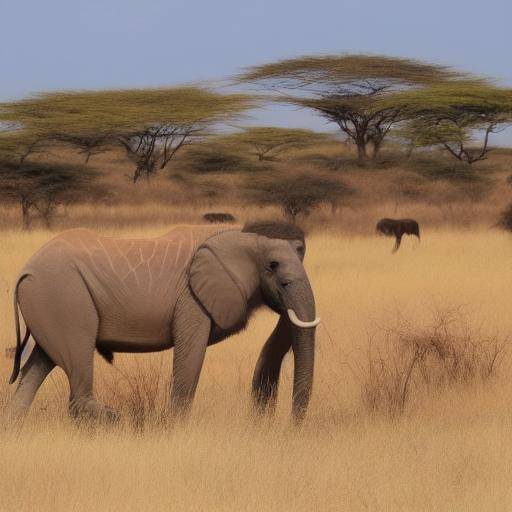
Serengeti, a majestic and iconic place in Africa, is known for its rich diversity of wildlife and its vast endless plains. This article will deepen the intersection between Serengeti, ecotourism and sustainability, showing how these elements intertwine to preserve this valuable ecosystem. From current history and challenges to future trends and practical advice, this informative tour will offer an integral look at the vital importance of taking care of the Serengeti through sustainable ecotourism.
Introduction
The Serengeti, with its majestic meadows, is home to countless species of wild animals that attract travelers from around the world in search of a unique experience in nature. However, this natural beauty also requires protection and care to preserve its long-term splendor. In this article, we will explore how the focus on sustainable ecotourism and environmental sustainability plays a vital role in the conservation of the Serengeti, ensuring that future generations can also delight with its splendor.
History and Background
The Serengeti National Park, the heritage of humanity, is a symbol of the conservation of nature. His story goes back to ancient times, when the Masai tribes inhabited the region. However, it was in the 1950s when it was formally established as a national park to protect its rich biodiversity from poaching and agricultural development. Since then, the Serengeti has become a global example of wildlife conservation.
Analysis in Deep
The convergence between ecotourism and sustainability in the Serengeti presents a number of benefits and challenges. From economic momentum to biodiversity conservation, the multiple facets of this approach require detailed analysis.
Benefits of Sustainable Ecotourism
- Economic impulse: Ecotourism generates significant income for the region, creating jobs and supporting local communities.
- Conservation of Biodiversity: The funds generated by ecotourism are used for conservation and protection of endangered species.
- Education and Awareness: Ecotourism educates visitors about the importance of conservation and promotes greater environmental awareness.
Challenges of Sustainable Ecotourism
- Visitor management: It is crucial to manage the influx of tourists to avoid the negative impact on the natural environment.
- Equitaine benefits: Ensure that the benefits of ecotourism are distributed equally among local communities.
- Environmental Impact: Minimize the ecological footprint of tourism and promote sustainable practices among visitors.
Comprehensive review
We will explore practical applications and best practices in the preservation of Serengeti through ecotourism and sustainability. In addition, we will discuss possible future scenarios and innovative strategies for sustainable management.
Practices and Best Practices
- Regulation of Tourism: Implementation of visitor limits and entrance fees to control the environmental impact.
- Community participation: Involve local communities in the management and benefits of ecotourism.
- Environmental Education: Educational programs for tourists and locals on the importance of conservation.
Opinions of Experts
Conservation and ecotourism experts discuss future trends and strategies to ensure the long-term sustainability of the Serengeti. Collaboration between Governments, NGOs and the private sector is critical to achieving these goals.
Comparative analysis
By comparing Serengeti, ecotourism and sustainability, there are interesting similarities, differences and possible synergies. Reviewing other national parks and natural reserves offers valuable insights to improve practices in the Serengeti.
Similarities and Variances
- Comparison with other parks: Analyzing how other ecotourism destinations manage sustainability and conservation can offer useful lessons.
- Regional approaches: Differences in managing and regulating ecotourism in different parts of the world.
Practical Tips and Accessible Recommendations
We will offer a practical guide for those interested in participating in sustainable ecotourism in the Serengeti, providing clear recommendations and actions they can take to contribute to the protection of this vital ecosystem.
Recommendations for Visitors
- Choose Sustainable Tourist Operators: Opt for companies that practice responsible ecotourism.
- Follow the Park Rules: Respect Serengeti's rules and regulations to minimize environmental impact.
- Supporting Local Communities: Buy local products and participate in community activities that benefit residents.
Perceptions of Industry and Expert Reviews
We will gather ideas from industry experts and analyze their impact on the future of sustainable ecotourism in the Serengeti. This analytical segment will present informed trends and predictions on how ecotourism will develop in the region.
Case Studies and Real Life Applications
Through detailed case studies, we will explore practical applications of sustainable ecotourism in the Serengeti, analysing the results and lessons learned in different contexts. These examples will illustrate how conservation and tourism initiatives can coexist and thrive.
Examples of Success
- Conservation projects: Successful initiatives that have managed to balance tourism and conservation in the Serengeti.
- Positive Impact on Communities: Stories of how ecotourism has improved the lives of local communities.
Future Trends and Predictions
Finally, we will identify emerging trends related to Serengeti, ecotourism and sustainability, offering future predictions based on current data and expert opinions. We will also explore the possible challenges and opportunities that are coming in this evolving field.
Conclusions and FAQs
Conclusions
In short, the focus on sustainable ecotourism and sustainability in the Serengeti not only preserves this unique ecosystem, but also promotes economic development and the empowerment of local communities. It is essential to recognize the crucial importance of taking care of this natural treasure and fostering sustainable practices in order to ensure its perpetuity.
Frequently asked questions
- **What is ecotourism and how does it relate to sustainability in the Serengeti?**Ecotourism refers to responsible travel to natural areas that conserve the environment and improve the well-being of the local population. In the context of Serengeti, sustainable ecotourism seeks to preserve wildlife and ecosystems, while supporting local communities and promoting environmental awareness.
- **What are the most important challenges in implementing sustainable ecotourism in the Serengeti?**Key challenges include managing the influx of visitors without disrupting the natural environment and ensuring that the benefits of tourism are shared equitably with local communities, while protecting biodiversity.
- **What specific measures are being taken to ensure long-term sustainability in the Serengeti?**The park authorities, together with local organizations and companies, are implementing strategies to regulate tourism, conserve endangered species, improve waste management and promote sustainable practices among visitors and local communities.
- **What is the economic importance of sustainable ecotourism in the Serengeti?**Sustainable ecotourism not only brings significant income to the region, but also fosters the development of local infrastructure and services, generating employment opportunities and empowering communities to preserve their natural heritage.
- **How can travellers contribute to sustainability during their visit to the Serengeti?**Visitors can contribute to the care of Serengeti by choosing tour operators to support sustainable practices, respecting the park's guidelines, minimizing their environmental footprint and learning about wildlife and local communities.
- **What are the future prospects for sustainable ecotourism in the Serengeti?**Sustainable ecotourism is expected to remain a driving force for the conservation of Serengeti, with a growing focus on environmental education, technological innovation and community participation.
We conclude our journey through the intersection between Serengeti, ecotourism and sustainability, highlighting the importance of preserving this natural treasure for generations to come. By adopting sustainable practices, supporting local initiatives and respecting biodiversity, each individual can contribute to the long-term protection of this iconic African landscape.