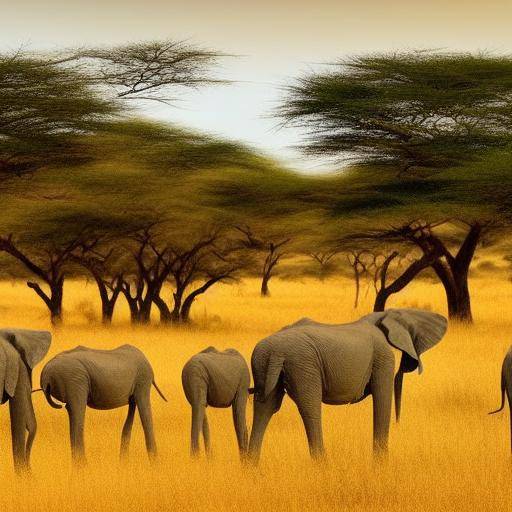
Sustainable tourism in Botswana's safaris represents a unique opportunity to experience nature in its most pristine state while protecting and respecting the environment. In this article, we will explore the convergence between safaris, ecotourism and sustainability in Botswana, offering a deep insight into how these areas intertwine to offer meaningful and environmentally friendly travel experiences. From the history and background of safaris in Botswana to the comparative analysis of future trends, this article will provide an integral vision of sustainable practices in the heart of Africa.
Introduction
The safaris, from their conception, have been synonymous with adventure, immersion in nature and close encounters with wildlife. However, as environmental awareness has gained importance, ecotourism and sustainability have become key elements to ensure that these travel experiences are not only exciting, but also respectful of the natural environment and local communities.
This article explores how safaris in Botswana have embraced sustainable tourism practices and how they have positively impacted on the preservation of biodiversity, the well-being of local communities and the environmental awareness of travelers.
History and Background
The concept of safaris has its roots in Africa's rich history of exploration, where adventurers and naturalists went into the vast fauna and flora of the continent in search of new species, knowledge and experiences. The term "safari" comes from the swahili, which means "way" or "expeditation", and has evolved from its humble beginnings as hunting expeditions in the nineteenth century to the current captivating observations of wildlife in its natural habitat.
In Botswana, safaris have become an integral part of the country ' s tourism identity, with an increasing focus on conservation and sustainability. Awareness of the importance of preserving Botswana ' s unique ecosystems has led to a significant change in how safaris are conceived and operated in the region.
Deep analysis
The sustainability approach in Botswana safaris not only has environmental benefits, but also translates into better conditions for local communities. Through ecotourism projects and collaborations with indigenous communities, safaris have contributed to the socio-economic development of these areas, fostering a sense of belonging and care for the natural environment. Travelers participating in sustainable safaris experience a deeper connection with nature and contribute directly to the well-being of local communities through responsible tourism.
Sustainability in Botswana ' s safaris has faced challenges, such as tourism capacity management, minimizing environmental impact and protecting wildlife in an environment where human presence is inevitable. Through innovations in reserve management, the application of sustainable technologies and environmental education, safaris are paving the way for more conscious and positively transformative tourism.
Comprehensive review
Sustainable tourism in Botswana's safaris offers an exemplary model for other tourist destinations around the world. Collaboration between tourist operators, local authorities and conservation organizations has shown that it is possible to harmonize the traveler's experience with the conservation of the biodiversity and well-being of local communities.
As part of this model, respect for nature and wildlife is encouraged, minimizing disruptions in fragile ecosystems and promoting environmental education for both visitors and local communities. This holistic approach has proven to be critical in ensuring that safaris are a positive force for conservation and sustainable development in Botswana.
Comparative analysis
By comparing safaris, ecotourism and sustainability, it is evident that sustainable safaris have successfully integrated elements of both concepts. While traditional safaris focused primarily on wildlife observation, sustainable tourism in Botswana ' s safaris has expanded its approach to including environmental preservation, support to local communities and promotion of responsible tourism practices.
Ecotourism, for its part, focuses on providing travel experiences that respect and preserve the environment, seeking to minimize negative impact and maximize conservation benefits. In the case of Botswana, sustainable safaris have assumed the fundamental principles of ecotourism, effectively applying them in the design and operation of tourism experiences.
Finally, sustainability in the context of safaris in Botswana goes beyond environmental preservation; it extends to the promotion of social equity, cultural enrichment and the generation of sustainable economic benefits for local communities. The convergence of these three elements has led to a form of tourism that not only offers unforgettable experiences, but also contributes positively to the well-being of people and the protection of nature in Botswana.
Practical Tips and Accessible Tips
If you are planning to participate in sustainable safaris in Botswana, here are some practical tips for your experience to be enriching both for you and for the natural environment and local communities:
- Opt for tourist operators who have a strong commitment to sustainability and conservation.
- Respect ethical behavior patterns in wildlife observation and follow the instructions of your guides to minimize impact.
- Prioritizes cultural interactions and support to the local economy through the purchase of local products and accommodation in community-run establishments.
Perceptions of Industry and Expert Reviews
Experts on conservation, sustainable tourism and community development recognize the transformative role played by sustainable safaris in the context of Botswana. The integration of sustainability in the planning and management of safaris has not only benefited the natural environment, but has also empowered local communities, promoting active participation in conservation and promoting environmental awareness among visitors.
Leaders in the field of sustainable tourism point out that the community-based conservation approach has proven to be critical to the long-term success of safaris in Botswana. By involving local communities in decision-making and sharing the economic benefits of tourism, the intrinsic value of preserving natural and cultural resources is strengthened.
Cases of Study and Applications in Real Life
An outstanding case of study is that of the Okavango Delta, a unique ecosystem that hosts an incredible diversity of wildlife and local communities that depend on their natural resources. Through a collaborative approach between the government, NGOs and tourist operators, a sustainable balance has been achieved between tourism, conservation and well-being of local communities, thus preserving the integrity of delta for future generations.
These examples show that sustainable safaris are not only possible but also a significant investment in the protection of fragile ecosystems and the enrichment of local communities in Botswana.
Future Trends and Predictions
The future of sustainable safaris in Botswana is promising, with continued growth in the adoption of responsible tourism practices, the strengthening of collaboration among the various actors and the increasing environmental awareness among travelers. Progress in sustainable technologies, the expansion of protected areas and the commitment to environmental education are expected to remain key pillars for sustainable tourism development in the region.
In response to global trends, Botswana's safaris are evolving into more immersive experiences that emphasize emotional and spiritual connection with nature, inviting travelers to transform their perception of the natural world and increase their commitment to conservation and respect for wildlife.
Conclusion
In conclusion, sustainable tourism in Botswana's safaris represents an exemplary model of how ecotourism and sustainability can converge to provide authentic and enriching experiences while protecting fragile ecosystems and benefiting local communities. The adoption of responsible tourism practices and the promotion of conservation go hand in hand with the enjoyment of natural beauty and the guarantee of a legacy that lasts for future generations.
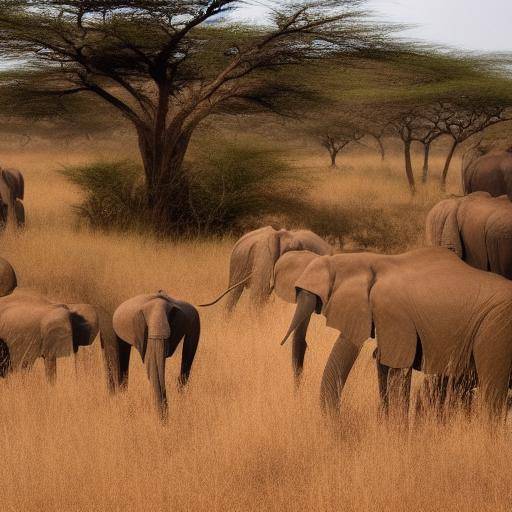
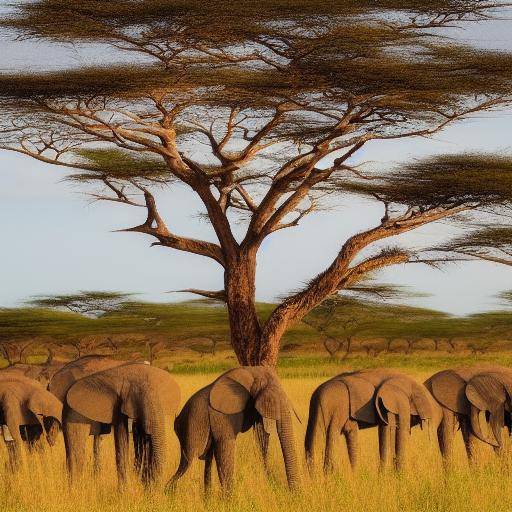
Whether exploring the vast expanse of the Okavango Delta, observing elephants in their natural habitat or participating in conservation programs, the sustainable safaris in Botswana offer a window to an intact natural world that deserves to be protected and appreciated.
Discover the greatness of nature in a sustainable way and join the positive transformation of safaris in Botswana!
FAQs
Why are sustainable safaris important for conservation?
Sustainable safaris integrates responsible practices that minimize environmental impact, protect wildlife and support local communities, contributing to the long-term conservation of Botswana's unique ecosystems.
How can I identify a sustainable safari in Botswana?
Search for tour operators with recognized sustainability certifications, such as the Global Sustainable Tourism Council (GSTC), and employ practices that promote conservation and community development.
To what extent do sustainable safaris benefit local communities?
Sustainable safaris generate jobs, support community development projects and promote the preservation of local cultures, empowering communities to be guardians of their natural and cultural heritage.
What is ecotourism and how does it relate to sustainable safaris in Botswana?
Ecotourism focuses on responsible travel that preserves the environment and benefits local communities. In sustainable safaris, ecotourism is integrated to ensure the protection of the nature and well-being of people.
What is the role of environmental education in sustainable safaris?
Environmental education is critical in sustainable safaris, as it promotes awareness of the importance of conserving ecosystems and promotes responsible practices among visitors and local communities.
How can I contribute to sustainability during a safari in Botswana?
You can contribute to sustainability during a safari in Botswana following the guidelines for ethical behaviour in wildlife observation, supporting local communities through responsible activities and respecting the environment.
With this complete guide, we invite you to explore Botswana's sustainable safaris and witness natural beauty in perfect harmony with conservation and sustainable balance.