The Serengeti, with its amazing biodiversity and natural beauty, is a dream destination for photographers. Capturing the fauna in its natural habitat, immortalizing unique moments, is an exciting and enriching challenge. In this article, we will explore tips and techniques to photograph the nature of the Serengeti, as well as the history, evolution, challenges and future of this form of art. We will also know the views of experts, practical advice and real cases that illustrate the striking beauty of this exciting discipline.
Introduction
The magic of the Serengeti
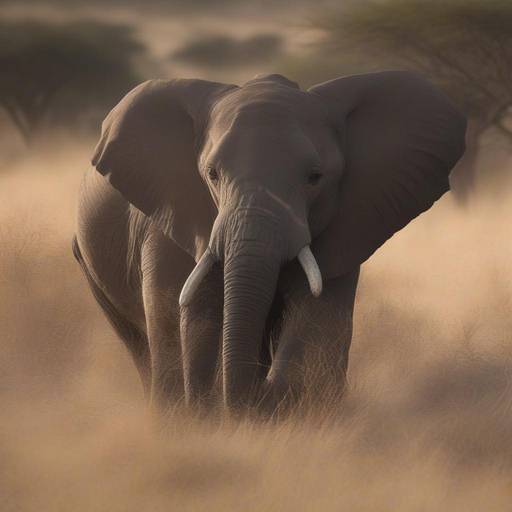
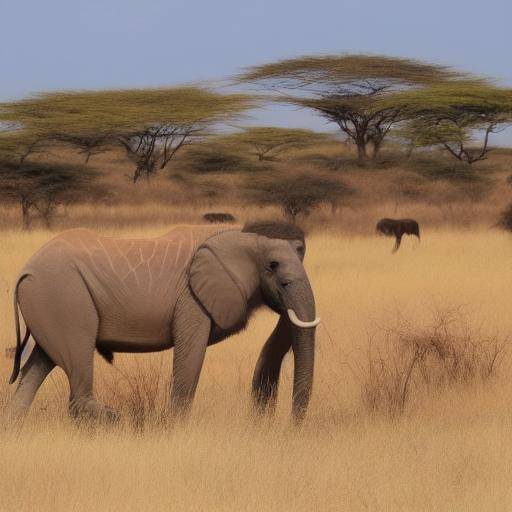
The Serengeti, emblematic corner of Tanzania and one of the most famous destinations for nature lovers, is known for its impressive fauna diversity. From majestic lions to elegant giraffes and agile gazelles, the wildlife of the Serengeti is a photographic treasure. Exploring this unique environment is an unmatched opportunity to capture the pure essence of nature in amazing images.
Nature photography
Nature photography is an art that requires patience, technical skill and artistic sensitivity. Finding perfect capture, in harmony with the natural environment, is a rewarding challenge that allows you to portray ephemeral moments with timeless beauty.
Objective of the article
In this guide, we will discover practical advice to photograph the Serengeti fauna, explore the evolution of nature photography, analyze current trends and provide a look at the future of this exciting discipline.
History and Background
Nature photography has its roots in the exploration of the natural world. From the first daguerrotypes to high-end digital cameras, this discipline has evolved significantly over time.
With the arrival of photography in the nineteenth century, a new world of possibilities was opened to document nature. Pioneros like William Henry Fox Talbot and Julia Margaret Cameron, among others, laid the foundations of nature photography, capturing the beauty of landscapes and wildlife in fixed images.
As photography technology progressed, photographers like Ansel Adams and Galen Rowell explored new techniques to capture the grandeur of nature in increasingly impressive formats. His masterpieces not only inspired generations of photographers, but also aroused renewed interest in the conservation of natural environments.
Deep analysis
Current Challenges and Trends
Nature photography faces unique challenges, from the preservation of natural habitat to competition for attention in the digital era. However, new online technologies and platforms have also opened a range of possibilities, allowing the images of nature to reach global audiences with unprecedented impact.
The Convergence of Technology and Nature
The advance of technology has endowed nature photographers with more sophisticated tools to capture the essence of the fauna in their natural habitat. From high-resolution cameras to drones, technology has opened new perspectives to achieve amazing images.
Comprehensive review
Applications and Best Practices
Nature photography is not only an art, but also a powerful tool for conservation and environmental awareness. Capturing the beauty of Serengeti not only entails artistic responsibility, but also the commitment to preserve these ecosystems for future generations.
The Future of Nature Photography
As environmental awareness grows, nature photography plays an even more crucial role in the preservation of biodiversity. Technology will continue to transform the way we capture and share the beauty of nature, providing unlimited opportunities to inspire others to protect and appreciate the natural world.
Comparative analysis
The Essence of Serengeti
The wealth of wildlife of the Serengeti makes it an exceptional setting for nature photography. From the majestic "five large" to the fascinating migrations of luus and zebras, the Serengeti offers an unmatched backdrop to capture the extraordinary biodiversity in captivating images.
The Art of Photographing Nature
Nature photography is distinguished by its ability to convey the amazing diversity and beauty of wildlife. Like the Serengeti, every photograph reveals unique stories and unrepeatable moments that awaken admiration and respect for nature.
Practical Tips and Accessible Tips
Preparation and equipment
- Investigation Previous to Expedition: Know the wild life you expect to photograph.
- Essential equipment: Take telephoto lenses, robust tripod and protector for the team.
- Energy Reserve: It carries extra batteries and additional memory cards.
Photography techniques
- Use of Natural Light: Take advantage of the golden hours of sunrise and sunset for exceptional images.
- Depth of Campo: Adjust the opening to highlight the main subject and diffuse the background.
- Creative perspectives: Experience unconventional angles and approaches to create unique compositions.
Perspectives and Expert Reviews
Interview with a Nature Photographer
Francisco Sánchez, internationally recognized photographer, shares his vision of the importance of documenting the natural beauty of the Serengeti.
"The photography of nature is more than an image. It is a visual testimony that transcends time, transmitting the fragility and grandeur of natural ecosystems. Each photograph of the Serengeti contains a powerful story that awakens emotions and promotes the preservation of these treasures of nature for future generations."
Case Studies and Real Life Applications
Annual Migration in Serengeti: A Scenario Impressive
The massive migration of luus and zebras is a unique phenomenon that offers incomparable opportunities for nature photographers. The visual account of this migration, captured by experts in the matter, represents a vivid testimony of wildlife in its maximum splendour.
Future Trends and Predictions
The Rise of Nature Photography in Social Networks
The digital era opens a new horizon for the diffusion of the images of nature, reaching unimaginable audiences. Social networks have become powerful platforms for sharing the beauty of Serengeti and raising awareness of the importance of its preservation.
Conclusions
Nature photography in the Serengeti is more than a mere visual capture; it is a testimony that transcends time, transmitting the very essence of wildlife and unique ecosystems. This exciting discipline not only captures the beauty of Serengeti, but also promotes environmental awareness and conservation of these natural wonders for generations to come.
FAQs
What are the best times of the year to photograph the Serengeti fauna?
A: The annual migration of luus and zebras, which occurs between June and September, is an incomparable opportunity to capture the wild life in motion. In addition, the golden hours of sunrise and sunset provide a spectacular light to photograph the fauna.
What safety considerations should I take into account when photographing the Serengeti fauna?
A: It is essential to respect the right distance with the fauna and follow the guidelines established by the national guides and parks. Safety for both fauna and self is paramount at all times.
How can I contribute to the conservation of Serengeti through my nature photography?
A: Sharing images and stories that highlight the majesty of Serengeti, as well as the challenges facing conservation, can raise awareness and encourage participation in preservation projects.
What kind of photographic equipment is essential to photograph the Serengeti fauna?
A: A good telephoto lens, robust tripod, additional batteries, high-capacity memory cards and a protector for the team are essential to capture the Serengeti fauna throughout its magnificence.
How can I improve my abilities in nature photography?
A: Constant practice, detailed observation of wildlife and experimentation with different photographic techniques are key to improving your abilities in nature photography.
What impact does nature photography have on ecotourism in the Serengeti?
A: Nature photography, by promoting the beauty of Serengeti, can contribute to fostering sustainable ecotourism, thereby supporting the conservation of these valuable ecosystems.
What is the role of social media in the diffusion of nature photography from the Serengeti?
A: Social networks offer a global platform to share the beauty of Serengeti and spread conservation messages, creating awareness of the importance of preserving this natural wonder.
In short, nature photography in the Serengeti opens a unique window to capture wildlife in its natural habitat and to promote environmental awareness and preservation. From the history and evolution of this discipline to current challenges and future trends, nature photography in the Serengeti remains a fascinating form of art that connects people with the magic and importance of nature.
External links:
- Tanzania National Parks
- National Geographic - Serengeti Wildlife
- Wildlife Conservation Society - Serengeti
We hope this guide has inspired you to explore and capture the wonderful wildlife of the Serengeti with your camera. Always remember to respect nature and its inhabitants while looking for the perfect image. Good luck in your photographic adventure in the Serengeti!