The Serengeti is known for its spectacular wildlife and rich natural diversity, but what is often overlooked is the fascinating local culture that flourishes in this region. In this article, we will explore the traditions, daily life and vibrant culture of local Serengeti communities in Tanzania, giving you a deep and exciting view of this amazing place.
Introduction: The Cultural Wealth of Serengeti
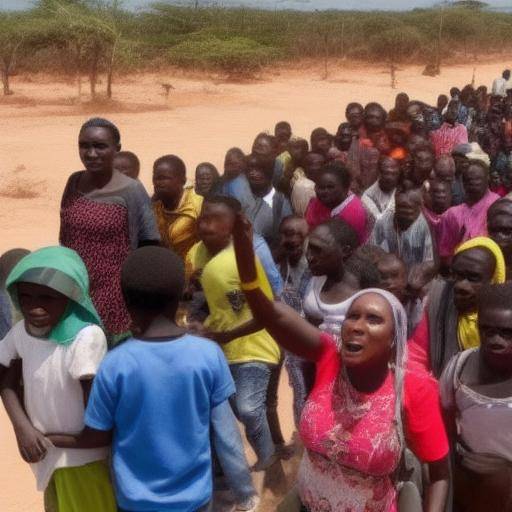
The Serengeti, a natural treasure located in Tanzania, is not only famous for its majestic landscapes and its abundant wildlife, but also for the local communities that have called this region their home for generations. These communities have rooted traditions, a unique lifestyle and a rich history that intertwines with the earth itself.
In this article, you will immerse yourself in the local culture of Serengeti, exploring the various traditions, everyday life, and the way in which local communities maintain a harmonious balance with their natural environment. From traditional celebrations to cultural practices, you will discover the amazing diversity and prosperous spirit that characterize these communities.
History and Background
The Serengeti has been home to several indigenous tribes, such as the Maasai and the Hadzabe, whose stories and traditions have shaped local culture over the centuries. These communities have developed survival methods that have been transmitted from generation to generation, adapting to the challenges and opportunities presented by the Serengeti environment.
Indigenous tribes of the Serengeti
The Maasai, known for their semi-nomadic lifestyle and impressive vibrant costumes, have played a crucial role in Serengeti's history and culture. Their deep knowledge of the terrain and their ability to coexist with wildlife has given them unique status in the region.
On the other hand, the Hadzabe, a people of hunters-gatherers, have maintained an ancestral lifestyle, depending largely on the hunting and harvesting skills transmitted throughout the millennia. Their deep connection to nature and their rich cultural heritage make them unique in the fabric of Serengeti.
The evolution of local culture
Over the years, the local culture of Serengeti has experienced significant changes due to the influence of external factors, such as colonization and modern expansion. These elements have impacted on certain traditions and customs, while leading to new forms of life and cultural expression among local communities.
Deep analysis
We will explore the challenges facing local communities in the Serengeti, as well as the opportunities and adaptations that arise in response to these challenges.
Comprehensive review
In this section, we will analyze contemporary cultural practices in the Serengeti and its role in community identity and cohesion.
Comparative analysis
We will compare the similarities and differences in traditions and daily life among various local communities of the Serengeti and explore how these differences contribute to the wealth of regional culture.
Practical Tips and Accessible Tips
We will provide practical advice for travelers interested in knowing and respecting the local culture of Serengeti, as well as for those who wish to support these communities in a meaningful way.
Industry Perspectives and Expert Reviews
In this section, we will gather insights and opinions from experts who have worked closely with the local communities of the Serengeti, providing an informed insight into the challenges and opportunities these communities face today.
Case Studies and Real Life Applications
We will explore concrete examples of how the traditions and daily lives of local Serengeti communities impact their long-term well-being and development.
Future Trends and Predictions
Finally, we will analyze emerging trends related to the local culture of Serengeti, and offer predictions based on current data and expert opinions on the future of these communities and their cultural heritage.
Conclusion
In short, the local communities of Serengeti are a treasure of traditions, daily life and cultural heritage. Through this article, we hope to have taken you to a fascinating journey through the rich and vibrant cultures that make the Serengeti a truly special place. It is essential to appreciate, respect and preserve these traditions and the way of life of these communities, ensuring that they flourish in harmony with the amazing natural environment of Serengeti.
Frequently asked questions
1. What is the importance of the local culture of Serengeti?
The local culture of Serengeti is fundamental to understanding the history, identity and traditions of the communities that have inhabited this region for generations. This culture not only enriches the experience of those who visit the Serengeti, but also plays a crucial role in the social cohesion and well-being of its inhabitants.
2. How can I respect the local Serengeti culture during my visit?
When visiting the Serengeti, it is essential to respect local customs and traditions. This includes requesting permission before taking photographs of people, being aware of clothing and behavior standards, and supporting initiatives that benefit local communities.
3. What challenges do local Serengeti communities face today?
The local communities of Serengeti face challenges ranging from the preservation of their ancestral lands to adaptation to socio-economic and environmental changes. The preservation of their cultural heritage and sustainability are important concerns for these communities.
4. How can I contribute to the sustainable development of local Serengeti communities?
There are a number of ways to contribute to the sustainable development of local Serengeti communities, such as supporting responsible tourism initiatives, purchasing local artisanal products and supporting educational and community empowerment programmes.
5. What impact does tourism have on the local culture of Serengeti?
Tourism can have a significant impact on the local culture of Serengeti. If managed responsibly and sustainably, tourism can be a source of economic support for local communities, while promoting awareness and respect for their cultural heritage.
6. What are some ways to learn more about the local culture of Serengeti?
One of the most enriching ways to learn about the local culture of Serengeti is through participation in authentic experiences, such as visits to local villages, meetings with community members and participation in cultural activities organized by community leaders.
In conclusion, the local culture of Serengeti is a living manifestation of the traditions, history and spirit of the African continent. In understanding and appreciating the wealth of these communities, we contribute to the preservation of an invaluable legacy that enriches and deepens our understanding and appreciation for the Serengeti and its cultural diversity.
We hope this article has been an enriching immersion in the local communities of Serengeti!