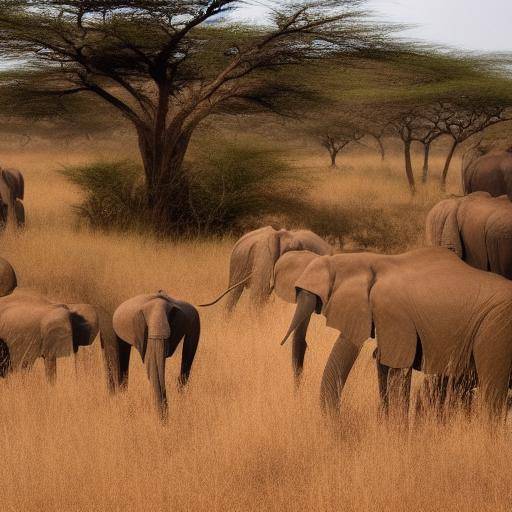
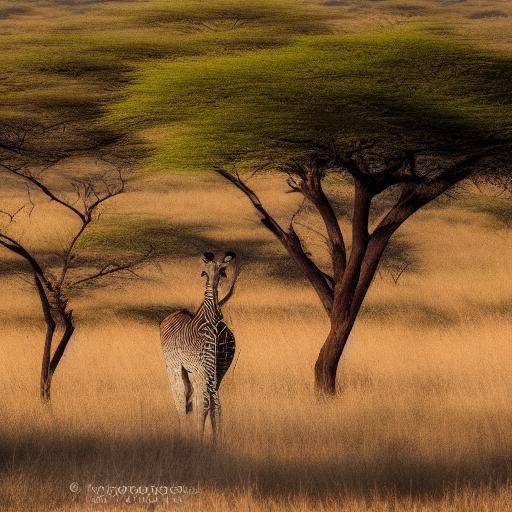
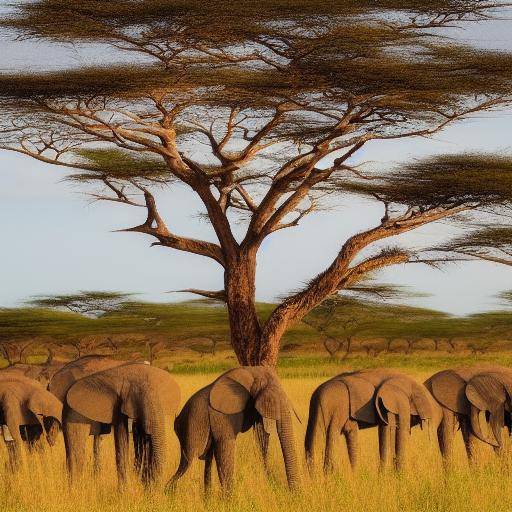
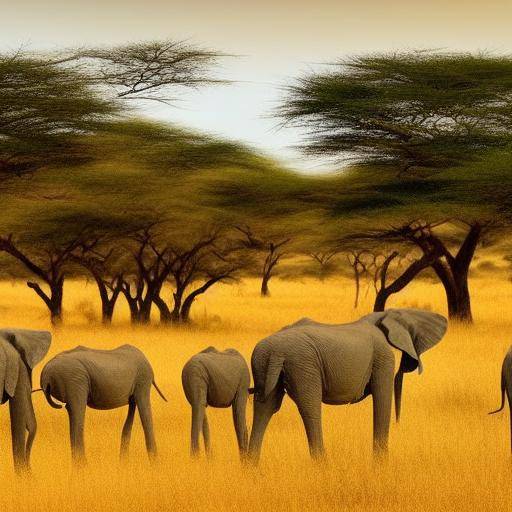
Are you ready to embark on a unique adventure? The safaris in Tanzania offer the opportunity to explore wildlife in their natural habitat, while enjoying stunning landscapes and unforgettable experiences. In this article, you will discover everything you need to know about safaris in Tanzania, from their history and evolution to practical advice, future trends and much more. Get ready to immerse yourself in the beauty of the wild nature of Tanzania!
Introduction
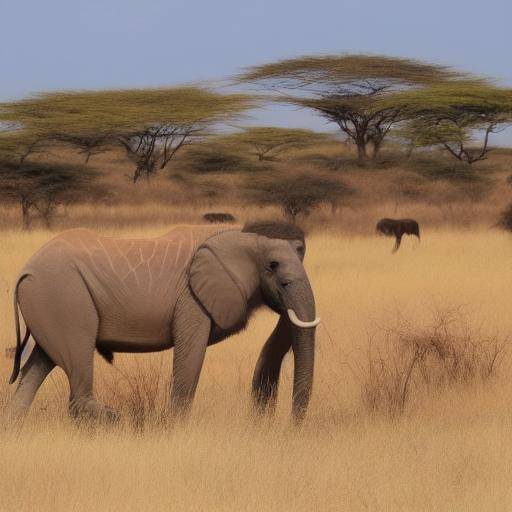
The safaris in Tanzania have captured the imagination of adventurers and nature lovers for decades. This African country offers a rich variety of ecosystems, ranging from the plains of Serengueti to the majestic Mount Kilimanjaro. Visitors have the opportunity to witness the annual migration of millions of luus and zebras, as well as sighting the five greats: lions, elephants, buffaloes, leopards and rhinoceros. In addition, Tanzania hosts a great diversity of wildlife, including a wide range of birds and other animals.
In this article, we will explore the fascinating history of safaris in Tanzania, analyze in depth the experiences they offer, compare this adventure with other tourist options and provide you with practical advice so that you can enjoy the most of your safari in Tanzania.
History and Background
The safari, which means "travel" in suajili, has its roots in the exploration of Africa in the nineteenth century. The first safaris were hunting expeditions that attracted explorers and adventurers from around the world in search of exotic trophies. However, as interest in conservation and ecotourism grew, safaris evolved into experiences focused on the observation of wildlife and the appreciation of natural beauty.
Tanzania, with its abundant wildlife and stunning landscapes, became one of the most sought after destinations for nature lovers. The establishment of national parks and hunting reserves in the country laid the basis for a more sustainable approach to safari tourism.
In the 1960s, Tanzania adopted progressive conservation policies that protected vast tracts of land and fostered harmonious coexistence between wildlife and local communities. Today, safaris in Tanzania have become one of the main tourist attractions in the country, generating income and supporting wildlife conservation.
Analysis in Deep
The safaris in Tanzania offer countless benefits for visitors, from the possibility of witnessing the wonderful migration of animals to the opportunity to experience life in nature in an authentic way. However, they also pose challenges, such as the need to balance tourism with conservation and impact in local communities.
According to recent statistics, safari tourism in Tanzania has experienced sustained growth in recent years, demonstrating its continued attractiveness for travellers around the world. This increase has led to a greater focus on responsible tourism practices, with an emphasis on minimizing environmental impact and supporting conservation initiatives.
As ecotourism and nature contact experiences gain popularity, safaris in Tanzania have adapted to meet the expectations of modern travelers. Many tour operators now offer sustainable accommodation options and activities that allow visitors to engage in community conservation and development programs.
Comprehensive review
When planning a safari in Tanzania, it is important to consider a number of factors, including the right time to visit according to animal migration, conservation regulations and logistical aspects of the trip. Checking with experienced tour operators in the country can help you maximize the quality of your experience and ensure that your activities are aligned with conservation and sustainability principles.
Comparative analysis
Compare safaris in Tanzania with other tourist options can help you make an informed decision about your next adventure. Unlike safaris in other countries, such as South Africa or Kenya, safaris in Tanzania offer the unique possibility to witness the great migration in the Serengueti, as well as the opportunity to explore less touristic and wilder landscapes.
If you are looking for an authentic and less crowded safari experience, Tanzania can be the perfect destination for you. In addition, the diversity of ecosystems and rich local culture add a distinctive value to your journey.
Practical Tips and Accessible Tips
When planning your safari in Tanzania, it is crucial to take into account several aspects to ensure a successful experience. Here are some practical tips to make the most of your adventure:
- Investigate the right time to visit according to animal migration.
- Consider sustainable accommodation options to support conservation.
- Participates in responsible safari activities that respect wildlife and local communities.
Perceptions of Industry and Expert Reviews
We have consulted experts from the tourism and conservation industry to offer valuable insights on the future of safaris in Tanzania. According to experts, ecotourism and sustainable practices are critical to ensuring the long-term preservation of wildlife and ecosystems in Tanzania. In addition, they highlight the crucial role played by local communities in protecting nature and developing responsible tourist initiatives.
Case Studies and Real World Applications
To better understand the practical implications of safaris in Tanzania, we present several case studies that illustrate the relationship between tourism, conservation and local development. These real cases show how proper management of safaris can generate tangible benefits for wildlife and communities.
Future Trends and Predictions
Looking forward, trends suggest that safaris in Tanzania will continue to evolve towards more sustainable and conservation-centred practices. Responsible tourism is expected to remain a central theme, with a renewed focus on environmental education and the participation of local communities in the tourism industry.
Conclusion
The safaris in Tanzania offer a unique window to the beauty and majesty of wildlife in their natural habitat. This type of adventure not only offers unforgettable encounters with iconic animals, but also allows visitors to immerse themselves in the rich culture and the stunning natural diversity of Tanzania. In planning a safari in this country, it is essential to consider sustainability and conservation aspects, to ensure that this experience lasts in time and continues to inspire future generations.
Frequently asked questions
What is the best time to make a safari in Tanzania?
The best time to make a safari in Tanzania is usually considered during the annual animal migration in Serengueti. This usually occurs between June and July, when millions of luus and zebras run through the plains in search of fresh pastures.
How can I contribute to conservation during my safari in Tanzania?
There are several ways to contribute to conservation during your safari in Tanzania. You can opt for sustainable accommodation, participate in responsible tourism activities and support local conservation projects through donations or volunteering.
What is the difference between a safari in Tanzania and other African countries?
The safaris in Tanzania offer the unique opportunity to witness migration in the Serengueti and explore a variety of ecosystems, from plains to highlands. Natural diversity and local culture distinguish Tanzania as an exceptional safari destination.
What are the entry and health requirements for travelling to Tanzania?
It is important to verify visa and health requirements before travelling to Tanzania. International visitors generally need a visa to enter the country, and it is advisable to consult a medical practitioner for up-to-date information on vaccines and preventive health measures.
How long should I plan for a safari in Tanzania?
The recommended time for a safari in Tanzania depends on your interests and your agenda. However, it is suggested to plan at least one week to have the opportunity to explore different national parks and reserves calmly and enjoy a full experience.
What are some ways to maximize the experience of a safari in Tanzania?
To maximize your safari experience in Tanzania, consider hiring a local guide with experience, participating in responsible safari activities and being open to the possibility of seeing a wide variety of wildlife.
We hope that these answers to frequent questions will give you a deeper and more practical understanding of the planning and enjoyment of a safari in Tanzania.
Data-based Conclusion and Expertise
The safaris in Tanzania represent a truly exceptional adventure that combines the excitement of the sighting of wild animals with the natural beauty and rich culture of the country. Being constantly evolving to adapt to the demands of sustainable tourism, safaris in Tanzania offer an enriching experience that contributes both to the conservation and well-being of local communities.
In short, exploring the wildlife in Tanzania through a safari is an experience that not only inspires and wonders, but can also have a lasting positive impact on the preservation of nature and the momentum of sustainable development.
Now that you have acquired complete knowledge of safaris in Tanzania, you are ready to embark on this fascinating immersive adventure and live unforgettable moments in the wild. Get ready to immerse yourself in the wonderful biodiversity of Tanzania and bring with you memories for life!