Tanzanian national parks are a glorious expression of natural majesty. From the vast plains of the Serengeti to the imposing Mount Kilimanjaro, Tanzania hosts some of the most impressive national parks in the world. In this article, we will explore the natural wealth, the diversity of wildlife, and the historical and current importance of these ecological sanctuaries. From its origin to future trends, we will discover the natural wonders of Tanzania's national parks.
Introduction
A View to Natural Beauty of Tanzania
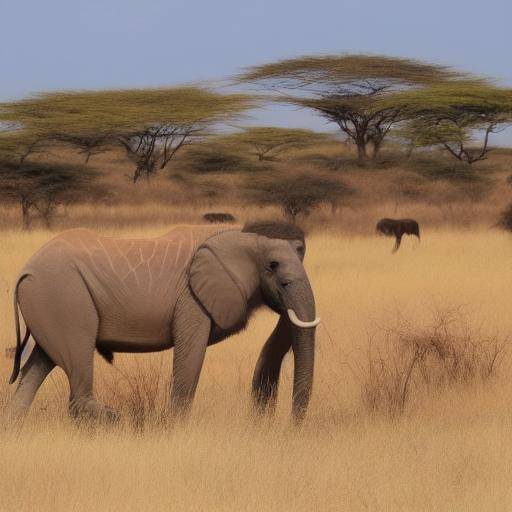
Tanzania, located in East Africa, is a blessed country with rich biodiversity and an amazing variety of landscapes. Tanzania's national parks are home to some of the most emblematic animals on the African continent, such as lions, elephants, rhinoceros, leopards and zebras. In addition, the stunning nature, which includes mountains, savannahs, forests and lakes, makes Tanzania a fascinating destination for nature and wildlife lovers.
In this article, we will immerse ourselves in history, ecological importance, current trends, and the global impact of Tanzania's national parks. From wildlife conservation to sustainable tourism, we will explore the various aspects that make these parks true natural jewellery.
History and Background
Tanzania's national parks have a rich history dating back to several decades. In 1951, the Serengeti National Park was established as the first national park in Tanzania, with the aim of preserving wildlife and promoting tourism. Over the years, new parks have been established, such as the Kilimanjaro National Park, Manyara National Park and Tarangire National Park, reflecting Tanzania's continued commitment to the conservation of its rich biodiversity.
The evolution of national parks has been marked by significant milestones, such as the inclusion in the UNESCO World Heritage List, which has raised its recognition internationally. In addition, efforts have been made to involve local communities in the management and conservation of these parks, recognizing their crucial role in protecting the natural environment.
Deep analysis
Current Benefits, Challenges and Trends
Tanzanian national parks play a key role in wildlife conservation and ecosystems. In addition to their ecological value, these parks generate significant economic benefits through tourism, creating employment and contributing to sustainable development. However, they face significant challenges, such as pressure on natural resources and the threat of poaching.
Ecotourism has emerged as an important trend, promoting responsible tourism that respects and supports the conservation of nature and local communities. This sustainable practice is gaining momentum and offering hopes for the long-term preservation of Tanzania's national parks.
Comprehensive review
Applications, Case Studies and Best Practices
The effective management of national parks, as seen in the Ngorongoro National Park, can provide valuable lessons on the harmonious coexistence between wildlife, local inhabitants and tourism. The implementation of innovative conservation strategies, such as community ecotourism and environmental education, is proving to be crucial to ensuring the long-term sustainability of these parks.
Comparative analysis
Tanzanian national parks are distinguished by their ecological diversity and historical importance. The Serengeti National Park, famous for its annual migration of luus and zebras, contrasts with the majesty of Mount Kilimanjaroy the exuberance of Manyara National Park, known for its captivating bird population. Through these examples, we can appreciate the wealth and variety that Tanzanian national parks offer to visitors.
Practical Tips and Accessible Recommendations
Enjoying Tanzania National Parks Responsiblely
If you plan to visit Tanzania's national parks, it is essential to do so responsibly. Some tips include respecting park rules and regulations, hiring certified local guides, prefer accommodation that promote sustainable practices, and learning about the culture and history of local communities. By following these guidelines, visitors can contribute to the conservation and sustainable development of parks.
Perceptions of Industry and Expert Reviews
Reflections on the Future of Tanzania National Parks
Experts on conservation and sustainable tourism agree that the future of Tanzania's national parks depends largely on an integrated approach that involves local communities, governments and private actors. The continuing momentum to combat poaching, promote sustainable tourism practices and protect endangered ecosystems is crucial to ensuring that these parks continue to be sanctuary for wildlife and nature.
Case Studies and Real Life Applications
Impact of Conservation in Local Communities
The Kilimanjaro National Park has been a remarkable case of how effective conservation can improve the economy and well-being of the surrounding communities. Through community tourism programmes and sustainable development projects, local communities have found new employment opportunities and strengthened their connection with the protection of natural resources.
Future Trends and Predictions
The Way ahead for Conservation of Nature in Tanzania
The development of new technologies and innovative approaches, such as the use of drones for wildlife monitoring and the implementation of monitoring systems, promises to strengthen conservation efforts. In addition, ecotourism and environmental education are expected to continue to play a crucial role in promoting the conservation of Tanzanian national parks.
Conclusions and FAQs
Conclusions: Celebrating the Beauty and Importance of Tanzania National Parks
Tanzania's national parks represent an invaluable legacy of nature that deserves to be protected and appreciated. From its history to its current and future impact, these parks remain a beacon of hope for the conservation of wildlife and ecosystems.
Frequently asked questions
What are some of Tanzania's most outstanding national parks?
Tanzania hosts a variety of famous national parks, including Serengeti National Park, Manyara National Park and Tarangire National Park, each with its own unique diversity and appeal.
How can I contribute to the conservation of Tanzania's national parks as a tourist?
Visitors can support the conservation of Tanzania's national parks by choosing tour operators committed to sustainable practices, respecting park rules and regulations, and learning about wildlife and local culture.
What is the importance of the Serengeti National Park in preserving wildlife in Africa?
The Serengeti National Park plays a crucial role in the conservation of African wildlife, especially through its famous annual migration of luus and zebras, which is a unique show in the world.
What are the key challenges facing Tanzania's national parks today?
The most significant challenges include poaching, pressure on natural resources and the need to balance conservation with the sustainable development of local communities.
What is the best time of the year to visit the national parks of Tanzania?
The best time to visit Tanzania's national parks varies according to the individual park and the patterns of wildlife migration. Checking with a local tour operator can help plan the ideal time for a visit.
What are some innovative conservation initiatives in Tanzania's national parks?
Initiatives such as community ecotourism, critical habitat conservation and environmental education have proven to be innovative approaches to the effective conservation of Tanzanian national parks.
In short, Tanzania's national parks reflect the very essence of nature in its purest form. From the spectacular wildlife to the incomparable beauty of its landscapes, these parks continue to be natural treasures that deserve our admiration and protection. In understanding its history, challenges and future opportunities, we can cultivate greater appreciation for the importance of preserving these majestic natural shrines.
With its amazing biodiversity and stunning landscapes, Tanzania's national parks remind us of the need to protect and preserve our natural environment for future generations.