Vesuvius, an emblematic volcano located in Italy, has witnessed a rich history and the evolution of local culture in Naples. In this article, we will explore the deep connection between the population and this majestic volcano, as well as the traditions and customs rooted in the region. From ancient history to current trends, we will discover the influence of Vesuvius in everyday life and the peculiarities of local culture in Naples.
Introduction
The region surrounding Vesuvius is known for its rich history, rooted traditions and the unique influence that the volcano has had in the lives of its inhabitants. Over the centuries, Vesuvius has represented a duality of beauty and danger, shaping the way of life and the cultural identity of Naples and its surroundings. In this article, we will immerse ourselves in the fascinating history, the rooted traditions and the intricate relationship between Vesuvius, local culture and Naples.
History and Background
The Vesuvius, a colossus that has marked the geography and history of the region, has witnessed significant historical events. From the devastating eruption that the cities of Pompeya and Herculano buried in the year 79 A.D., to the most recent eruptions, the volcano has left an imprint in the region. In addition, the relationship between Vesuvius and local culture is manifested in the practices, festivities and in the daily lives of the surrounding communities.
The deeply rooted traditions, such as the religious festivities in honor of San Genaro, the patron saint of Naples, reflect the resilience and ingenuity of the population to the constant presence of the volcano. Music, gastronomy and artistic expressions have also been shaped by the uniqueness of life on the edges of Vesuvius, creating a unique and vibrant cultural identity.
Deep analysis
Living with Vesuvius has shaped both positive aspects and challenges for the region. The volcanic land has provided fertile soils for agriculture, promoting the production of high-quality wines and fruit products, which are a fundamental part of the local gastronomic culture. However, the constant threat of eruptions and security challenges have generated a complex relationship between the population and the volcano.
Traditional agricultural practices, such as the cultivation of vineyards on the Vesuvius slopes, represent a living testimony of the adaptability and resilience of local culture. The knowledge transmitted from generation to generation, as well as the creativity to take advantage of natural resources in harmony with the volcanic environment, have shaped a unique lifestyle in the region.
Exhaustive examination
The local festivals and celebrations, such as the celebration of the "Festa del Grano" in honor of the goddess Ceres, have lasted over the centuries, acting as a link between the past and the present of the region. These celebrations represent an opportunity to preserve and transmit traditions to future generations, enriching the cultural legacy of the area.
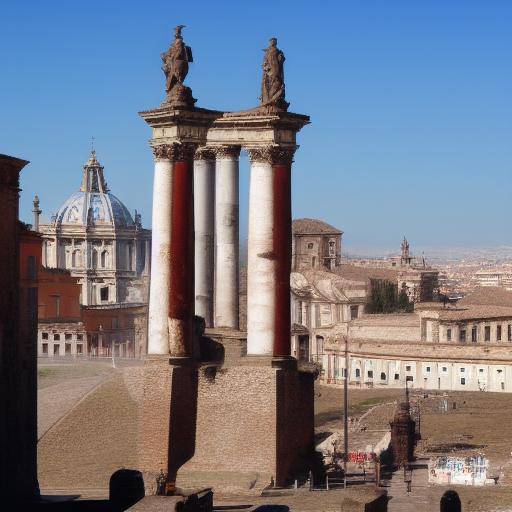
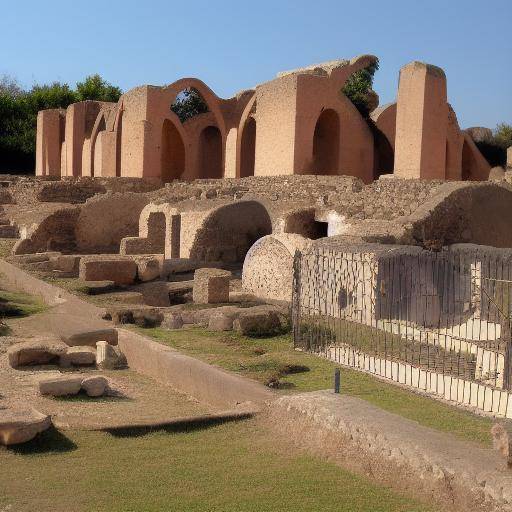
In addition, tourism around Vesuvius has driven the local economy, generating employment opportunities and contributing to the preservation of the historical and archaeological heritage of the region. The excavations in Pompeii and Herculano, two cities buried by the eruptions, provide a unique window to the past and offer valuable lessons on living with Vesuvius throughout history.
Comparative analysis
The cultural wealth of Naples is intertwined with the presence of Vesuvius, generating a synergy that is reflected in the artistic expressions, architecture and gastronomy of the region. The passion and vibrant character of the Neapolitan population are reflected in traditional music, such as the tarantella, as well as in the preparation of emblematic dishes such as Neapolitan pizza, recognized as the Intangible Cultural Heritage of Humanity by UNESCO.
On the other hand, the peculiar topography and the geographical challenges imposed by Vesuvius have fostered a sense of cohesion and solidarity among local communities. Creativity and ingenuity have been instrumental in adapting to a volcanic environment, giving rise to unique agricultural practices and lifestyles in the region.
Tips and Suggested Actions
For those who wish to explore the region around Vesuvius, it is crucial to be informed about security measures in the event of an eventual volcanic eruption. Also, knowing the schedules and recommendations to visit archaeological sites, such as Pompeya and Herculano, provides an enriching and unique experience.
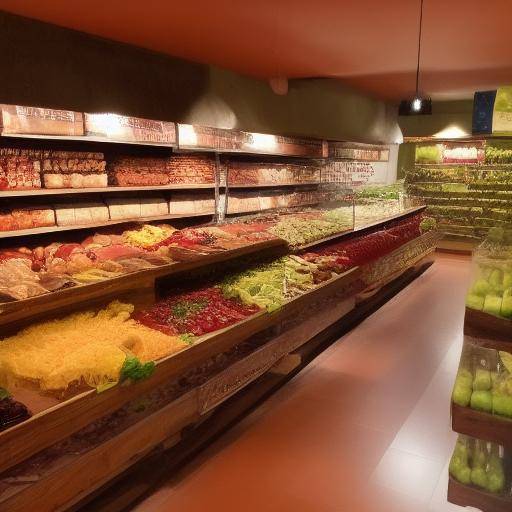
In addition, diving into local culture involves enjoying the region's characteristic gastronomy, tasting traditional dishes made with ingredients from the Vesuvius skirts. Discovering the local markets, where fresh and indigenous products are offered, is an opportunity to appreciate the culinary diversity and the entrepreneurial spirit of the population.
Industry Information and Expert Reviews
According to geology experts, the monitoring and monitoring of Vesuvius are fundamental to understanding its volcanic activity and providing early warnings in case of imminent events. The commitment of the authorities and the scientific community to research and prevent volcanic risks has been crucial for the safety of the population and the preservation of heritage in the region.
In addition, experts in anthropology highlight the importance of preserving ancestral traditions and historical memory around Vesuvius, in order to ensure cultural continuity and respect for the natural environment. Intergenerational dialogue and education are key tools for transmitting cultural legacy to future generations.
Case Studies and Practical Applications
Promoting sustainable tourism in the region, which respects the volcanic environment and contributes to the development of local communities, exemplifies how the preservation of culture is essential for social well-being and economic growth. Sustainable development initiatives, which promote the circular economy and responsible tourism, have the potential to strengthen cultural identity and natural heritage in the region.
Future Trends and Predictions
Considering the historical, cultural and geological value of the region, tourism around Vesuvius is expected to continue to be a sustainable development and heritage conservation engine. The use of new technologies, such as increased reality, to enrich the experience of visitors in archaeological sites, represents an opportunity to bring the history and legacy of Vesuvius closer to a global audience.
In addition, the promotion of sustainable agricultural practices and the appreciation of local products will promote the preservation of gastronomic culture and the flourishing of an economy based on respect for the natural environment.
Conclusion
Life around Vesuvius has generated a rich amalgam of traditions and customs rooted in the local culture of Naples. From religious holidays to the production of quality wines and foods, the presence of the volcano has shaped a unique and resilient identity in the region. Living with Vesuvius is a living testimony of human ability to adapt and thrive in challenging environments, providing valuable lessons on resilience and creativity.
Frequently asked questions
What are the main traditions around Vesuvius?
Religious holidays, the production of quality wines and food, as well as the celebration of local gastronomic culture, represent some of the main traditions rooted in the region.
How has Vesuvius influenced local gastronomy?
The presence of Vesuvius has favored fertile soils for the production of high quality ingredients, such as wines, fruits and vegetables, which are fundamental in local gastronomy, being the Neapolitan pizza one of the representative dishes of the region.
What are the risks associated with coexistence with Vesuvius?
Despite the benefits of volcanic soils, the constant threat of eruptions and security challenges pose risks to the population living in the foothills of Vesuvius, requiring constant monitoring and preparation for possible hazard scenarios.
What impact does tourism have in the region around Vesuvius?
Tourism has promoted the local economy, generating employment opportunities and contributing to the preservation of the historical and archaeological heritage of the region, encouraging sustainable development and respect for the natural environment.
What are the projections for the future of the region around Vesuvius?
Tourism is expected to continue to be a sustainable development and heritage conservation engine, using new technologies and promoting sustainable agricultural practices to preserve cultural identity and the natural environment.
How have local communities adapted to the volcanic environment of Vesuvius?
Local communities have demonstrated creativity and resilience, adapting to the peculiar topography and geographical challenges, and preserving ancestral traditions that reflect coexistence with the volcano throughout history.
Conclusion
Life around Vesuvius has generated a rich amalgam of traditions and customs rooted in the local culture of Naples. From religious holidays to the production of quality wines and foods, the presence of the volcano has shaped a unique and resilient identity in the region. Living with Vesuvius is a living testimony of human ability to adapt and thrive in challenging environments, providing valuable lessons on resilience and creativity.
In exploring history, cultural influence and future perspectives around Vesuvius, the complexity and beauty of a relationship that has transcended generations and continues to inspire those who seek to understand and preserve the essence of life in a land marked by the imposing presence of an iconic volcano.
With this immersion in life around Vesuvius, it is invited to appreciate and value the cultural wealth and resilience of the local population, demonstrating that, even before adversity, the human spirit persists and flourishes, leaving an indelible mark on the history and landscape of Vesuvius and its surroundings.