Introduction
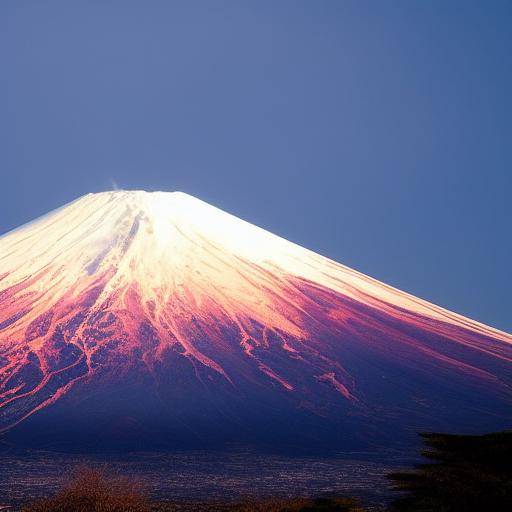
The majesty of Mount Kilimanjaro in Tanzania evokes a mixture of emotion and admiration in all those who venture to explore its greatness. Capturing this natural wonder through photography is an experience that goes beyond simply freezing the moment in an image, is a way of immortalizing the grandeur of nature and sharing it with the world. In this photo guide, we will explore the wonders of Kilimanjaro from the perspective of photography, providing advice and recommendations so that the enthusiasts of photography can capture and share the unique essence of this prominent mountain.
History and Background
The imposing Mount Kilimanjaro, with its three volcanic cones covered with snow, has been a source of inspiration and wonder for centuries. Its history dates back to ancient times, being considered a sacred place by the local tribes. The arrival of European explorers in the early nineteenth century aroused greater interest in this natural wonder, attracting scientists, adventurers and nature lovers from around the world.
Mount Kilimanjaro has become an iconic milestone for alpinism and photography, attracting travelers and photographers in search of the perfect capture. Photography has played a fundamental role in the documentation and dissemination of the greatness of Kilimanjaro, allowing its splendor to be appreciated all over the world.
Deep analysis
The challenge of capturing the grandeur of Kilimanjaro through photography lies in managing the extreme weather conditions, the altitude and the unpredictable nature of the mountain. However, these same conditions offer unique opportunities for creating shocking images that convey the grandeur and essence of Kilimanjaro. The contrasts between the eternal snow at the summits and the lush vegetation on the lower slopes provide an unrivalled setting for photography.
Technological advances in photographic equipment have expanded the possibilities of capturing the grandeur of the Kilimanjaro, allowing the production of high resolution images that transmit every detail, texture and nuance of this iconic natural monument.
Comprehensive review
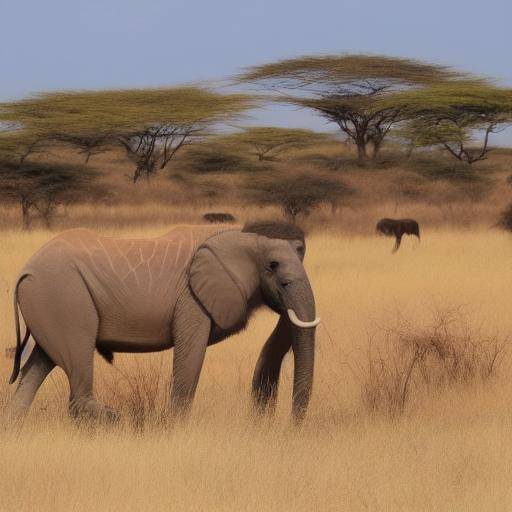
Photography in the Kilimanjaro environment ranges from the capture of spectacular sunrises and sunsets, through portraits of local fauna and flora, to the documentation of human experience in the face of this natural wonder. Photographers can exploit the visual diversity that the mountain offers, capturing the wildlife that inhabits its skirts, rock formations and glaciers, as well as the interaction of adventurers who challenge their slopes in search of unique experiences.
Comparative analysis
The combination of photography and the grandeur of Mount Kilimanjaro offers a unique opportunity to explore the intersection between nature, adventure and artistic creativity. The similarities and contrasts between the different moments of the day, the seasons of the year and the individual perspective of each photographer define a diverse visual canvas that invites exploration.
Practical Tips and Accessible Recommendations
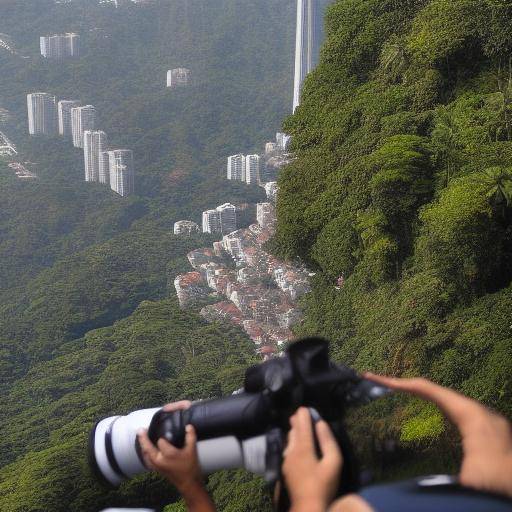
For those looking to explore photography in the Kilimanjaro environment, it is crucial to prepare properly and be equipped with the knowledge and tools necessary to capture the essence of this natural wonder. Practical tips include the proper choice of lenses, the management of exposure in high luminosity conditions, the management of altitude and climate, as well as the selection of moments and strategic locations for taking photographs.
Industrial Perspectives and Expert Reviews
Experts on nature and adventure photography offer valuable insights on the capture of the grandeur of the Kilimanjaro. His experiences and knowledge in photography around the world provide a unique vision of the challenges and rewards of capturing the grandeur of the Kilimanjaro through the lens of the camera.
Case Studies and Practical Applications
Photography in the Kilimanjaro environment not only offers the opportunity to capture stunning images, but can also be a powerful tool for conservation and environmental awareness. Several success stories show how photography has contributed to the preservation of the natural beauty of Kilimanjaro and the momentum of sustainability initiatives.
Future Trends and Predictions
As technology continues to evolve, new perspectives for photography are visible in the Kilimanjaro environment. The combination of drones, virtual reality and new postproduction techniques offers exciting possibilities for the capture and enjoyment of the grandeur of this majestic mountain.
Conclusion
The grandeur of the Kilimanjaro is a natural treasure that deserves to be captured and shared through photography. This photographic guide has explored the challenges, rewards and possibilities that the capture of the Kilimanjaro offers to the lovers of photography, providing practical advice and invaluable prospects for those who want to explore the greatness of this natural wonder through their own lenses.
Frequently asked questions
What are the best moments of the day to capture photos of the Kilimanjaro?
Sunrises and sunsets often offer a spectacular light that enhances the beauty of Kilimanjaro. In addition, the combination of snow and golden light creates stunning contrasts.
How should photographic equipment be prepared for the conditions of Kilimanjaro?
It is crucial to protect equipment from moisture and altitude. In addition, it is advisable to carry additional batteries, as the cold can quickly reduce your useful life.
What precautions should be considered when photographing at high altitudes?
The altitude can cause health problems. It is essential to gradually acclimatize, stay hydrated and recognize the signs of altitude sickness.
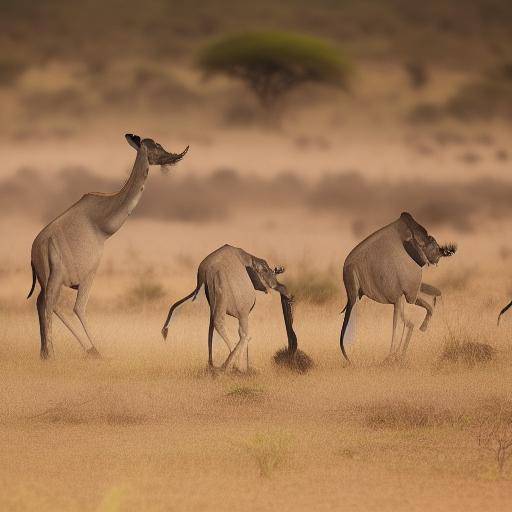
Are there specific recommendations to portray Kilimanjaro's wildlife?
It is important to respect wildlife and maintain a safe distance. Using long-focus lenses can capture animals in detail without disturbing their environment.
Can photography in the Kilimanjaro contribute to its conservation?
Yes, images can raise awareness of the importance of preserving this natural wonder and supporting conservation initiatives.
What cultural aspects should be considered in capturing images in the Kilimanjaro?
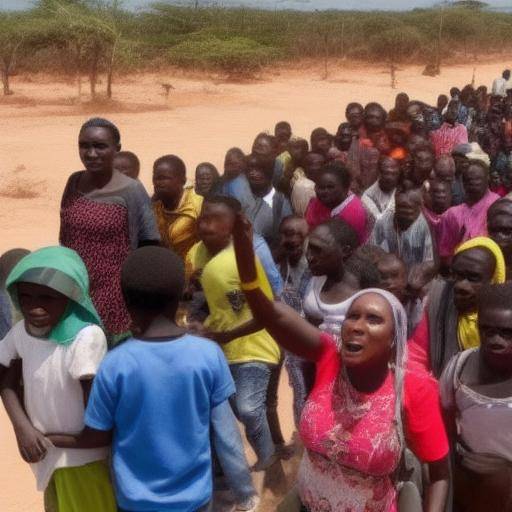
Respecting local traditions and beliefs is fundamental. To consult and obtain prior permissions is necessary when photographing local communities or sacred sites.
This photographic guide seeks to inspire photographers to explore and capture the grandeur of Kilimanjaro, while promoting a responsible approach to the preservation of this natural wonder.
With this information in mind, the enthusiasts of photography are equipped to undertake the adventure of capturing the grandeur of the Kilimanjaro through their own lenses, thus preserving the unique essence of this impressive mountain for generations to come.