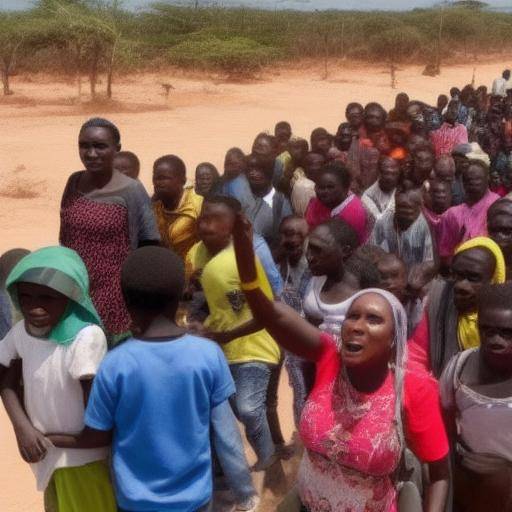
Mount Kilimanjaro, located in Tanzania, is known for its imposing presence and rich biodiversity. However, the local communities that live on the slopes of this majestic mountain also have a crucial role in the history and culture of the region. In this article, we will explore the traditions, customs and lifestyle of these communities, as well as their relationship with Mount Kilimanjaro and the influence on the local culture of Tanzania.
Introduction
Since time immemorial, the local communities that reside on the slopes of the Kilimanjaro have maintained a close connection with nature, the mountain and its traditions. Its lifestyle, marked by harmonious coexistence with the natural environment, offers invaluable lessons on sustainability and respect for the environment.
In this article, we will immerse ourselves in the cultural roots of these communities, exploring their traditions, ceremonies, beliefs and the way they have preserved their identity in a constantly changing world. In addition, we will examine the impact of tourism and other external factors on their way of life and the preservation of their ancestral customs.
History and Background
The communities that live on the Kilimanjaro skirts have a rich and fascinating history that dates back centuries. Known for their agricultural skills and crafts, these communities have kept their traditions alive despite external influences. Mount Kilimanjaro has been a key reference point in its cosmovision, considered sacred and a symbol of unity.
Over the years, these communities have faced challenges such as climate change, economic pressure and social transformations. However, they have shown remarkable resilience in adapting to changes without losing their cultural identity. Interaction with other ethnic groups and the influence of tourism have gradually shaped their life forms, which presents both challenges and opportunities.
Detailed Analysis
The tourist attraction of Kilimanjaro has led to an increase in the influx of travelers to the region, which has directly impacted local communities. While tourism has provided economic benefits and employment opportunities, it has also raised challenges in terms of cultural preservation and sustainable management of natural resources. The preservation of local traditions in a constantly changing tourist environment is a crucial issue that deserves special attention.
Comprehensive review
The preservation of local culture at the foot of the Kilimanjaro is essential for the balance between tourism development and the protection of cultural heritage. Sustainable development experts underline the importance of establishing tourism models that respect and support local traditions, thus contributing to the integral development of communities. Sustainable tourism practices and strengthening cultural identity are essential to ensuring a prosperous future for generations to come.
Comparative analysis
By comparing the local culture of communities on the Kilimanjaro skirts with other regions of Tanzania, the uniqueness of their traditions and the way they have resisted external influences emerge. The worldview of these communities, rooted in harmony with nature and respect for past generations, offers valuable lessons in a modern world dominated by technology and consumerism.
Practical Tips and Useful Recommendations
If you plan to visit the Kilimanjaro region, it is important to address tourism in a respectful and responsible way. By interacting with local communities, it shows genuine interest in their traditions and customs, and if you have the opportunity, it supports local artisans by acquiring their products. Remember that your behavior as a tourist can have a lasting impact on the conservation of the culture and the natural environment of the area.
Conclusions and FAQs
In conclusion, local communities on the Kilimanjaro side play a crucial role in preserving the traditions and cultural wealth of Tanzania. His relationship with Mount Kilimanjaro is a living testimony of the indivisible connection between human beings and their natural environment. In understanding and respecting the customs and way of life of these communities, we can contribute to more conscious and sustainable tourism, ensuring the legacy of these cultures for future generations.
Frequently asked questions
**1. What are the main traditions of communities on the Kilimanjaro skirts?**Local communities have various traditions, including ritual ceremonies, folkloric dances, traditional crafts and ancestral agricultural practices.
**2. How are local communities affected by tourism in Kilimanjaro?**Tourism has provided economic benefits, but it has also raised challenges in the cultural preservation and sustainable management of natural resources.
**3. What is the importance of Mount Kilimanjaro in local culture?**Mount Kilimanjaro is considered sacred by local communities and has influenced their traditions, beliefs and worldview since time immemorial.
**4. What measures are being taken to preserve local culture in the Kilimanjaro region?**Sustainable tourism programmes and cultural preservation projects are being implemented to safeguard traditions and promote community development.
**5. What impact does agriculture have on the lives of local communities?**Agriculture is a fundamental part of the lives of these communities, providing livelihoods and preserving ancestral knowledge about land cultivation.
**6. How can I contribute to the preservation of local culture during my visit to Kilimanjaro?**It respects local customs, supports artisans buying authentic products and seeks tourist experiences that encourage respect for culture and the environment.
In short, local communities on the Kilimanjaro slopes are guardians of an invaluable cultural legacy that deserves to be preserved and respected. Its way of life, rooted in tradition and harmony with nature, offers profound lessons on the sustainable coexistence between human beings and their environment. In visiting this region, it is crucial to adopt an attitude of respect and support for local communities, thus contributing to the preservation of their millennial traditions.