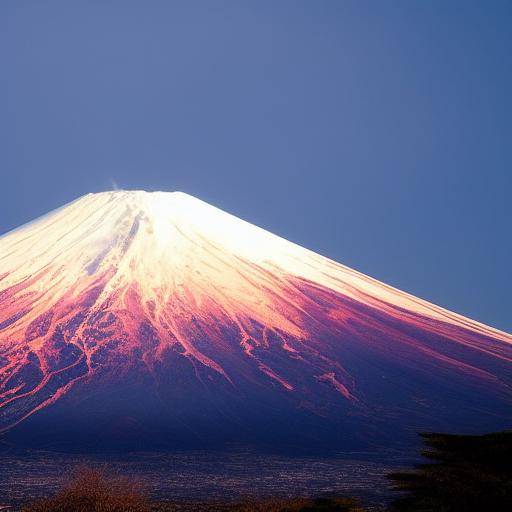
On the top of the African continent, Mount Kilimanjaro is imposing, offering a breath-taking view. This iconic geographic landmark is a paradise for nature lovers and photographers who seek to capture their majesty. In this guide, we will explore the wonders of Kilimanjaro from the lens of photography, discovering its landscapes, its unique flora and fauna and the spirit of Tanzania that surrounds it.
Introduction
Mount Kilimanjaro, with its three majestic peaks, is the highest mountain in Africa and one of the most impressive places in the world. Its greatness and variety of ecosystems make it a perfect setting for landscape photography, wildlife and adventures in nature. In this photo guide, we will explore how to capture the essence of Kilimanjaro through the lens, along with practical advice, historical data and recommendations on this amazing place in Tanzania.
History and Background
The history of Mount Kilimanjaro is intertwined with that of Tanzania, its people and its culture. From the first explorers to modern expeditions, the mountain has played a crucial role in the history of the region. Local legends and myths have enriched their importance, making it an unbeatable icon. The introduction of photography has allowed the capture and sharing of the unique beauty of Kilimanjaro with the world, transforming it into an inexhaustible source of inspiration for nature lovers.
Photography in the Kilimanjaro
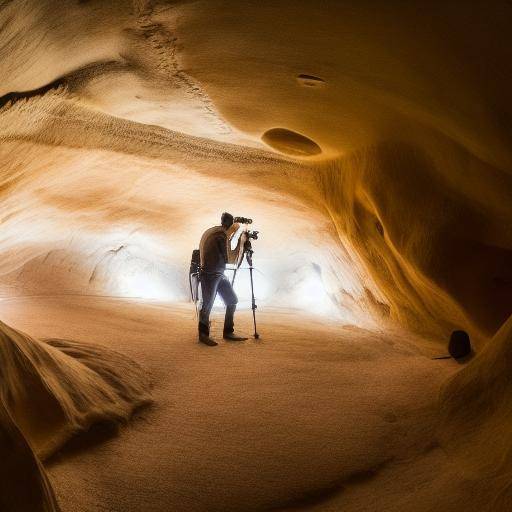
Photo in the Kilimanjaro presents unique challenges and exceptional opportunities. The variety of landscapes, from the tropical jungle to the snowy summit, provides an impressive backdrop to capture natural diversity. Lightness, changing climatic conditions and wildlife offer endless possibilities for photographic creativity. In this section, we will explore how to make the most of photography in the Kilimanjaro, from planning your team to capturing unique moments.
Photo equipment for the Kilimanjaro
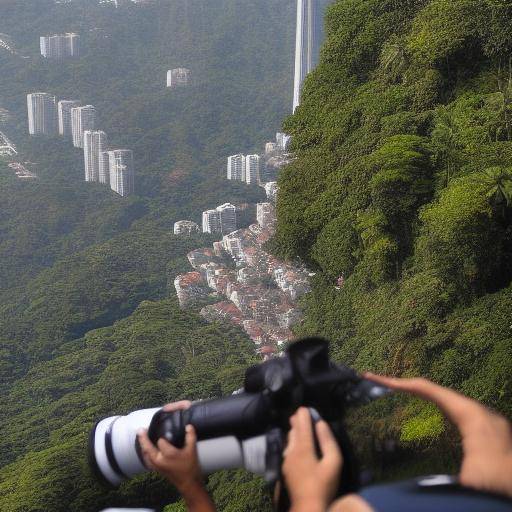
When it comes to photographing the Kilimanjaro, the choice of the right team is crucial. From high-ranking dynamic cameras to capture extreme contrasts between light and shadow, to long-range lenses to capture wildlife, each piece of equipment has a crucial role in creating shocking images. The proper protection against inclemences of time and the possibility of capturing images under extreme conditions are other important aspects when selecting the equipment for photography in the Kilimanjaro.
Landscape Photography Techniques
The vast expanse of the Kilimanjaro park offers landscapes that challenge the imagination. Using balanced composition techniques to highlight the grandeur of snowy peaks, as well as experimenting with light and depth of field to highlight the diversity of terrain, are key points to get amazing shots. In addition, understanding the importance of natural light and how it can bestow different atmospheres on photographs is critical to capture the magic of Kilimanjaro.
Photograph of Wildlife
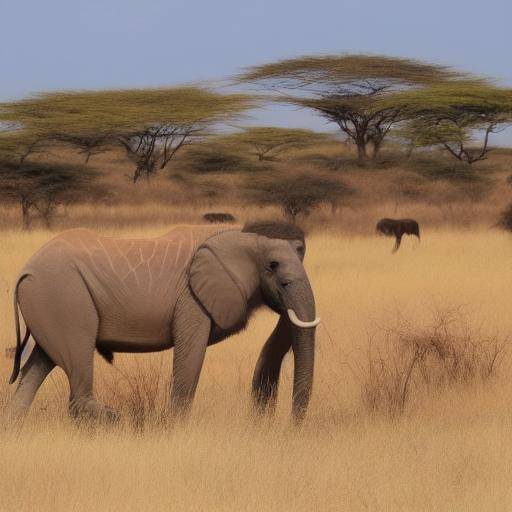
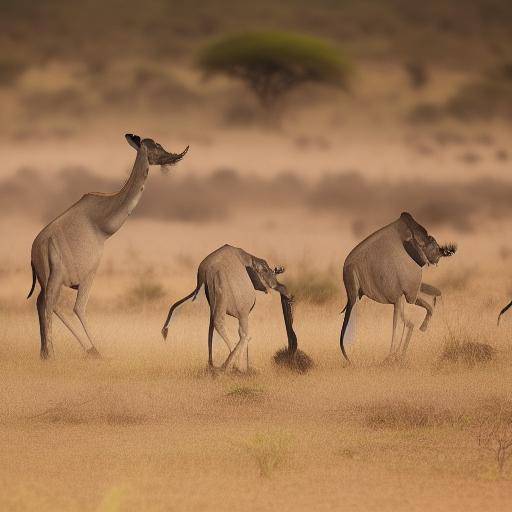
The Kilimanjaro hosts a wide and unique variety of fauna, including elephants, zebras, leopards, and a number of bird species. Being able to capture the images of these majestic animals in their unique habitat implies the need to use special techniques and configurations to respect both their safety and that of the observer. Wildlife photography offers a window to the beauty and resistance of unique species, allowing the lens to reveal its splendor.
Deep analysis
The Kilimanaro is much more than just a tourist destination for photographers. In this section, we will explore the challenges and opportunities faced by photographers in capturing the greatness of this natural wonder and its environment.
Challenges and Opportunities
Extreme temperature, altitude and terrain conditions provide considerable challenges for photographers in the Kilimanjaro. The management of light in high-altitude environments, the protection of photographic equipment in varying climate conditions and the consideration of personal security are just some of the challenges faced by photographers. However, these same extreme conditions offer unique opportunities to capture unforgettable moments and stunning landscapes that awaken interest and admiration around the world.
Photo Trends and Styles
Photography in the Kilimanjaro has evolved over time, reflecting contemporary trends and styles. From the documentary photography that captures the daily lives of the local inhabitants to the artistic photography that seeks to convey the spirituality and grandeur of the mountain, the photographers have explored a variety of creative approaches. In addition, the integration of digital technology and social networks has redefined how the images of Kilimanjaro are shared and appreciated worldwide, which represents an opportunity for photographers to spread their art and message.
Comprehensive review
As photography in the Kilimanjaro has evolved, so have practical applications and best practices to capture the essence of this natural wonder. In this section, we will explore the various perspectives and approaches that photographers have used to capture the splendour of Kilimanjaro.
Approaches and Methods
Different photographers have adopted unique approaches to capture the Kilimanjaro, reflecting their own visions and experiences. From the documentary photography that highlights the daily life of the local communities to the artistic photography that seeks to express the spiritual essence of the mountain, each approach offers a new way to appreciate and understand the greatness of the Kilimanjaro. The combination of styles, techniques and narratives allows a multifaceted exploration of the mountain and its environment, enriching the visual and emotional corpus surrounding the Kilimanjaro.
Best Practices
The experience and wisdom of the photographers who have explored the Kilimanjaro over the years have led to a set of best practices for those who want to capture the essence of the mountain through the lens. From choosing the right team to understanding the dynamics of light and shadow, these practices provide a valuable guide for photographers seeking to create impactful and meaningful images. In addition, respect for local nature and cultures is fundamental to ensuring ethical and responsible photographic practice in the Kilimanjaro.
Expert and Prospective Perspectives Futures
Photography in the Kilimanjaro has generated a series of expert perspectives that enrich our understanding and appreciation of this natural wonder. From the observations of experienced photographers to the reflections of experts in conservation and tourism, these perspectives offer a unique vision of the role and potential of photography in the Kilimanjaro. In addition, looking into the future, it is important to consider how technological evolution and global trends will impact the practice and perception of photography in Kilimanjaro in the coming years.
Comparative analysis
Kilimanjaro and photography have an intrinsic relationship with Tanzania, enriching each other and providing a unique visual and cultural experience. In this section, we will compare and contrast Kilimanjaro, photography and Tanzania to better understand their interrelations and their implications.
Kilimanjaro: Nature and Culture
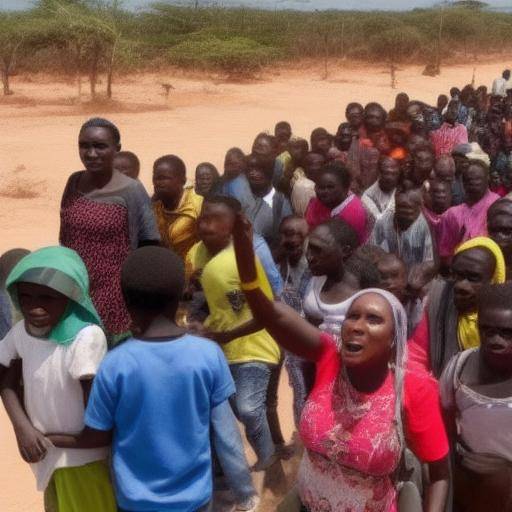
Kilimanjaro not only represents an imposing natural wonder, but also a symbol of Tanzania's identity and culture. The mountain has played a central role in local traditions and history, marking the country's physical and emotional landscape. His presence in photography not only documents his splendor, but also evokes his cultural and spiritual meaning for the Tanzanian people. Through photography, the nature of Kilimanjaro is joined by the rich cultural narrative of Tanzania, creating a holistic representation of the region in the global imagination.
Photograph and Tourism in Tanzania
Photography in Tanzania goes beyond capturing pictures of the Kilimanjaro. The country's rich biodiversity, varied landscapes and cultural wealth offer numerous opportunities for photographers. From national parks to local villages, photography becomes a means of sharing and preserving the natural and cultural wealth of Tanzania. In addition, the popularity of wildlife photography in Tanzania has contributed significantly to sustainable tourism and international recognition of the region.
Synergies and Shared Perspectives
The intersection between Kilimanjaro, photography and Tanzania reveals synergies and shared perspectives that enrich the understanding and appreciation of the country and its natural heritage. Photography not only documents the greatness of Kilimanjaro, but also provides a platform for awareness, conservation and promotion of responsible tourism in Tanzania. The visual representation of Kilimanjaro and its environment through photography transcends the words and borders, connecting people with the natural wonder and cultural diversity of Tanzania.
Practical Tips and Accessible Tips
Capturing the majesty of Kilimanjaro through photography requires not only technical skills, but also a deep understanding of the surrounding environment and culture. In this section, we will offer practical advice and actionable advice for photographers who wish to explore this exciting world of visual possibilities.
The Importance of Planning
Photography in the Kilimanjaro leaves no room for improvisation. The thorough planning of logistics, equipment, security and the agenda is essential to maximize opportunities to capture unique moments. In addition, the understanding of timers and climatic conditions represents a key aspect that influences the end result. Planning allows not only the creation of shocking images, but also a memorable and safe experience in the Kilimanjaro.
Respect and Cultural Sensitivity
Photography in the Kilimanjaro cannot be rid of sensitivity and respect for local culture. Interaction with local communities and the natural environment should be based on respect, empathy and ethical responsibility. Understanding local customs, applying for permission to capture images of people and places, and supporting cultural preservation are fundamental for ethical and respectful photographic practice.
Captures the Spirit of Kilimanjaro
Beyond the capture of technically impeccable images, photography in the Kilimanjaro seeks to convey the spirit and essence of the mountain. It seeks to capture evocative moments, significant details and visual narratives that resonate with the viewer. The ability to capture the grandeur, beauty and unique character of Kilimanjaro through photography requires a combination of technical skills and artistic sensitivity.
Industry Perspectives and Expert Reviews
Photography in the Kilimanjaro is at the intersection of nature, tourism and creative expression. In this section, we will explore the perspectives of industry and the opinions of experts that shape this exciting discipline.