On Phillip Island, a couple of hours' drive south-east of Melbourne, one moment of the day reshapes everyone's routine: nightfall. That is when the Phillip Island penguins, little penguins from the smallest species on Earth, come out of the sea in groups and waddle across the sand to their burrows. Locals ease off the accelerator, rangers take up their places along the boardwalks, and visitors in the stands lower their voices without anyone having to ask twice.
That quiet scene is the result of many decisions, some of them hard: giving up an entire neighbourhood, changing household habits, learning from the people who cared for this coastline long before European settlers reached Australia. Once you know that story, and the local culture that has grown up around it, the penguin parade stops being a show and becomes what it really is: an agreement to share the land, renewed every single night.
Phillip Island: where penguins set the pace
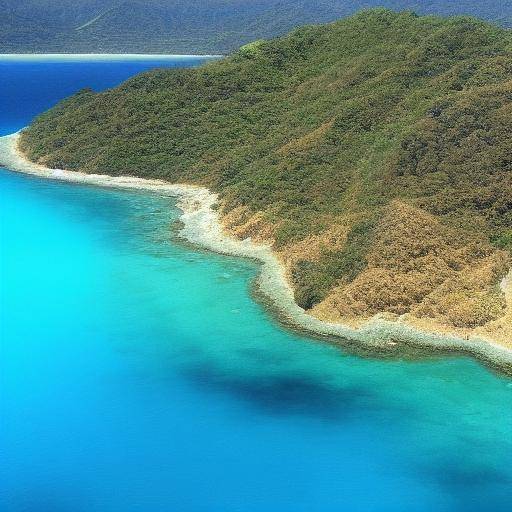
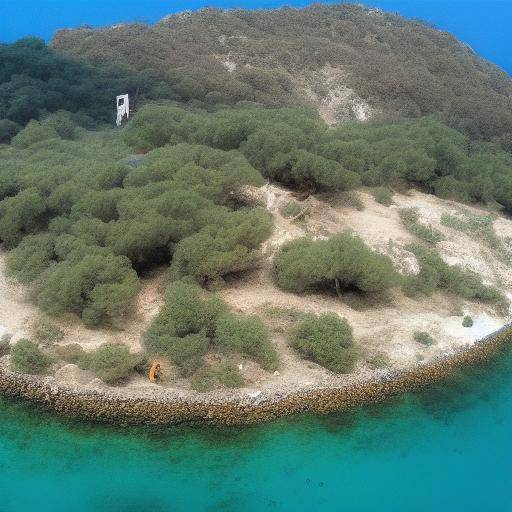
The island is linked to the mainland by a bridge between San Remo and Newhaven, and as soon as you cross it you feel the change of scale. Cowes, the main town, has its jetty, its cafés and its walk along the bay. The rest is a patchwork of farms, small villages such as Rhyll or Ventnor, and a southern coast exposed to the ocean, with cliffs and wind-battered beaches.
The penguins do not live only in the reserve where the parade takes place. They nest in dunes, coastal scrub and, in some spots, very close to people's homes. Their routine is simple and demanding at the same time:
- Before dawn they head out to sea to fish, sometimes for a day and sometimes for weeks.
- At dusk they return in small groups, because together they feel safer from predators.
- In the breeding season, during the southern spring and summer, the adults take turns feeding the chicks waiting in the burrows.
- During the moult, each bird spends a spell on land unable to swim while it replaces all its feathers.
For the people who live here, that calendar has very practical consequences. In certain areas dogs must be kept on a lead or are not allowed at all, outdoor lights are best kept from shining onto the beach, and driving along the coast at night calls for real attention. None of this feels like an unusual burden: it is simply part of what living on the island means.
Millowl: the island before the parade
Long before there was a bridge, farms or viewing stands, this land had a name and traditional owners. The Bunurong people call the island Millowl, and their relationship with it was built on knowing the seasons: when there was shellfish on the rocks, which plants were fruiting, when certain birds would arrive.
At several points along the coast you can still find shell middens, mounds of shells and food remains that speak of generations of families fishing and gathering on the same shoreline. These are places of cultural and archaeological value, so if you come across one on a walk, do not take anything and stay on the marked paths.
Today the name Millowl appears more and more on signs, in visitor centres and in information materials, and the Bunurong community takes part in interpreting and caring for the land. Public events often begin with an acknowledgement of the traditional owners, a widespread custom in Australia that carries special weight in a place like this.
If this side of the story interests you, look out for the interpretive panels in the nature areas and ask at the visitor information centre whether there are cultural tours led by Bunurong guides. What is on offer changes over time, so it is worth checking before you go.
From torches to the parade: how penguin tourism began
The habit of going to see the penguins is almost as old as tourism on the island itself. Early in the last century, some locals were already taking visitors down to Summerland Beach with torches to watch the birds come ashore. There were no stands and no rules: people walked among the penguins, shone lights in their faces and got close to the burrows.
Over the years it became clear that so much attention came at a cost. Fences arrived, then raised boardwalks, roped-off areas and, later, professional management of the site. Today the parade is run by the island's nature parks, which put a significant share of what visitors pay into research, wildlife rescue and habitat restoration.
One of the best-known rules is that photos and videos are not allowed during the parade. It surprises people at first, but it makes sense: flashes and glowing screens disorient birds that have just spent hours at sea and need to reach their burrows without a fright. In return, you see the scene with your own eyes rather than through a phone.
What makes this evolution interesting is that the local economy and conservation became bound together. Accommodation, restaurants and guides all depend on the penguins coming back every night, and that dependence has turned their protection into an interest shared by almost the whole community.
Summerland: the neighbourhood given back to the penguins
The most striking chapter of this story took place on the Summerland Peninsula. There, right in the middle of the nesting area, a housing estate of holiday homes and residences had been built. With the streets came cars, dogs, cats and lights, and the local penguins found life harder and harder.
The solution chosen was an unusual one: the Victorian state government bought the houses one by one to hand the land back to the birds. The process stretched over decades and was not easy for everyone. For many families those houses were where they had spent their summers and made their memories, and letting them go meant more than a simple sale.
The homes were removed and the land was gradually restored with native vegetation, dunes and room for new burrows. Where there were once letterboxes and gardens, there is now coastal scrub and penguin tracks leading down to the beach.
Summerland is often held up as an example of what a community can do when it decides a landscape is worth more as habitat than as building land. When you walk the boardwalks there, remember that you are crossing what used to be a neighbourhood: it is the best way to grasp how far the word coexistence reaches here.
Everyday coexistence: roads, gardens and volunteer neighbours
Outside the reserve, the relationship with the penguins shows in small details. In car parks near the coast you will see signs asking you to check under your car before driving off, because a penguin sometimes takes shelter there. On certain stretches of road there are fences and wildlife crossings, and night-time speed limits are taken seriously.
Foxes, introduced to Australia long ago, were for years one of the colony's worst enemies. The island launched a long programme to remove them, helped by residents who reported every sighting, and today it is regarded as one of the great successes of local conservation. Pet owners are also encouraged to keep their cats indoors at night.
In homes close to the coast, some residents share their space with penguins nesting under decks or among the garden shrubs. Needless to say, they are not quiet neighbours: their night calls, somewhere between a donkey's bray and a trumpet, startle anyone hearing them for the first time. Some people put wooden nest boxes in the dunes, often built by volunteer groups.
Volunteering is another hallmark of the local culture. Beach clean-ups, native planting, bird monitoring and injured wildlife rescue bring together retirees, students and families. If you are staying for a few days, ask at the visitor information centre whether any activities are open to visitors: picking up fishing line and plastic on the beach is a simple way to give something back.
Traditions and local culture beyond the penguins
The island has other rituals its residents look forward to every year. One of the most curious is the arrival of the short-tailed shearwaters, seabirds that cross the Pacific and return each southern spring to their burrows, especially around Cape Woolamai. At dusk, their low flights over the water are a sight many locals never miss. Around Bass Strait, these birds were also a seasonal food source for Aboriginal peoples.
In San Remo, just before you cross the bridge, there is a custom of feeding the pelicans at the jetty. It began with fishermen sharing the scraps of their day's catch and is now a small tradition that draws onlookers of all ages. Times change, so check them when you arrive.
Other pillars of island life:
- Churchill Island: a heritage farm linked to Phillip Island by a bridge, with a period homestead, gardens and animals. There are usually sheep-shearing and working-dog demonstrations, a window onto rural Australia.
- The motorcycle circuit: it hosts the Australian Motorcycle Grand Prix, and on race weekend the island is transformed. If you are not coming for the bikes, check the calendar and avoid those dates.
- Surfing and lifesaving: beaches such as Woolamai or Smiths Beach have a strong surf culture. On patrolled beaches, always swim between the red and yellow flags set out by volunteer lifesavers, a very Australian tradition.
- Markets and local produce: seafood, cheeses and wines from the Gippsland region turn up at farmers' markets and on restaurant menus in Cowes.
How to watch the penguins without disrupting their routine
Watching the parade is the heart of any visit, and doing it well depends mostly on how you prepare. The start time changes through the year because it follows sunset, so check the official website of the island's nature parks before planning your day.
A few guidelines that make a difference:
- Book ahead during school holidays, public holidays and summer weekends.
- Wrap up even in summer: the wind blows in off the ocean and, after sunset, the temperature drops fast. Layers, a beanie and a rain jacket are never too much.
- Arrive early so you have time for the visitor centre, which explains penguin biology and the Summerland story.
- Put away your phone and camera: photos and videos are not allowed at the parade.
- Stay on the boardwalks and do not block the paths the penguins use to climb up into the dunes.
- Speak quietly and explain the rules to children before you go in.
- Check under your car before leaving the car park and drive slowly on the way back.
There are different ways to see it, from the stands facing the beach to raised boardwalks or small guided groups. Compare the options on the official website according to your budget and how close you want to be. And do not go looking for penguins on other beaches with a torch: nesting areas are protected and the light causes them stress.
Frequently asked questions
When is the best time to see the Phillip Island penguins?
The penguins come ashore all year round, although numbers vary with the season. In the southern summer the weather is better and there are more visitors; in winter the cold bites, but the stands tend to be quieter. Check the latest information before you decide.
Can you take photos of the penguins?
Not during the parade. The rule protects the birds from flashes and screens. You can photograph the scenery, the seals from the lookouts on the southern coast or the pelicans in San Remo.
Do you need to book tickets in advance?
In peak season and on special dates it is a good idea, because places can sell out. The rest of the year there is usually more leeway, but booking saves you surprises.
Can you visit the island as a day trip from Melbourne?
Yes, and many people do, either independently or on organised tours. Keep in mind that the parade ends after dark and the drive back is at night. Staying in Cowes or a nearby village lets you explore the island at an easy pace the next day.
How can I support the local community during my visit?
Stay and eat at island businesses, shop at the farmers' markets, respect the wildlife rules and, if the chance arises, join a beach clean-up or a cultural tour led by Bunurong guides.
A day at island pace
The best way to understand the local culture of Phillip Island is not to boil your visit down to an hour in the stands. Try spreading the day out the way residents do: morning on Churchill Island, midday by the San Remo jetty, afternoon walking the southern coast towards the lookouts and, as the sun goes down, the return of the penguins. If you can stay one more night, head out early to Cape Woolamai and watch the island wake up without the crowds.
When you get home, what you remember most may not be the penguins themselves but the way an entire place has decided to make room for them. It is an idea that travels well: ask who lived in a destination before, what its people look after, and what you can do to stay out of the way.