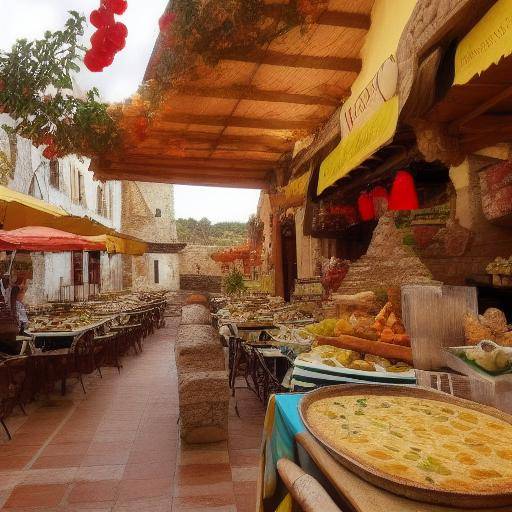
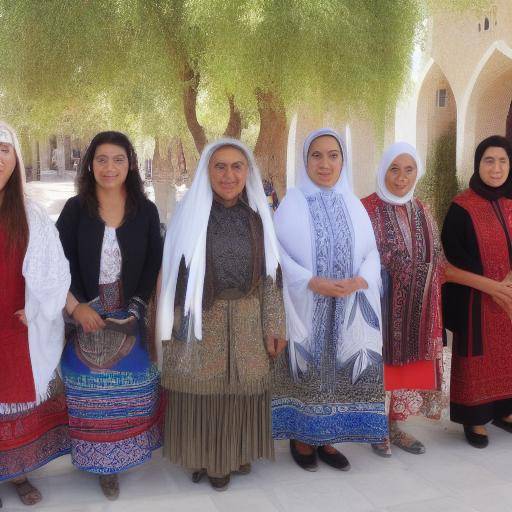
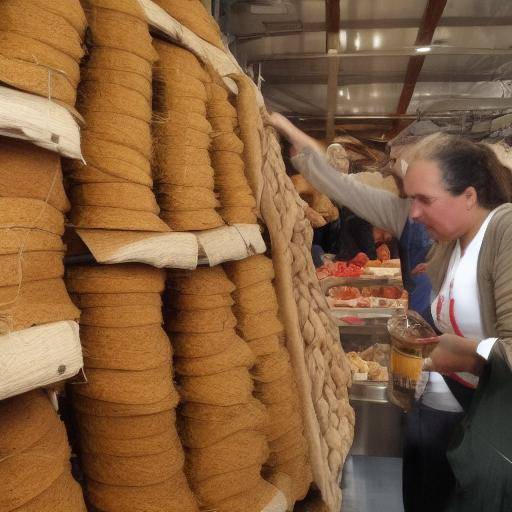
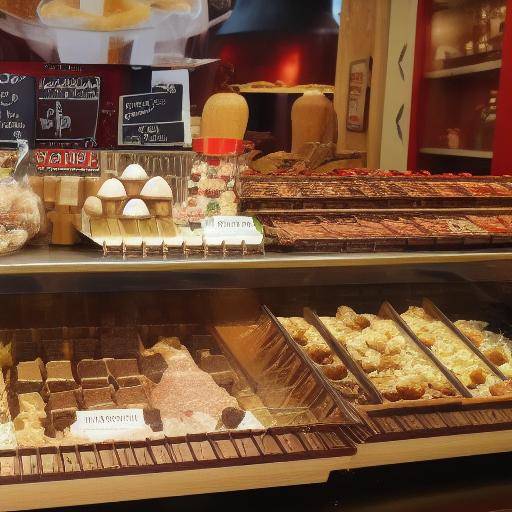
The Silk Road is more than an old commercial corridor connecting the east and west; it is a historic cultural exchange testament covering China to Europe. In this exciting journey, we will immerse ourselves in exotic flavors, seductive aromas and unique culinary traditions that have enriched Asia's cuisine and beyond. Discover how the flavours of the Silk Road have left an indelible footprint in the global cuisine and how they continue to influence our palates until today.
Welcome to this fascinating culinary tour that will mark your senses and arouse your curiosity for the history, cuisine and flavors of Asia!
History and Background of the Silk Road
The Silk Road, which extends from China to the Mediterranean, was much more than a simple trade corridor; it was the epicenter of cultural exchange between the east and the west. For centuries, the traffic of caravans loaded with goods not only carried silk, spices and precious metals, but also culinary secrets throughout the continent. From the ancient China to the cosmopolitan cities of the Mediterranean, a gastronomic mestizajet was managed that forever changed the way the world cooked, ate and shared.
Flavors and Influences along the Silk Road
The culinary influences along the Silk Road are as varied as the cultures that make up it. From the fragrant cuisine of India to the delicious Persia dishes, passing through the exotic spices of the Arab lands and the fresh and spicy flavors of Southeast Asia, each stop on the Silk Road contributed with its own distinctive touch to global culinary evolution. The combinations of ingredients, cooking techniques and resulting flavors are a lasting will of the wealth of this historic exchange route.
Spices such as turmeric, cinnamon, cumin and ginger, among others, became fundamental elements in both Asian and European dishes. In the same way, ingredients such as rice, tea, eggplant or sugar cane, which traveled from one end to the other side of the Silk Road, have left an indelible mark in the kitchens around the world.
Asia Gastronomy: Legacy of the Silk Road
The Silk Road not only marked a milestone in the exchange of goods, but also sowed the seeds of the gastronomic fusion that defines the current Asian cuisine. From the lush lands of the east to the flourishing civilizations of the west, the culinary influence of the Silk Road is omnipresent at the tables of Asia. emblematic dishes such as the biryani of India, the kebab of Persia, the dim sum of China and the curry of Thailand are just a sample of the culinary delights that have been shaped by the rich exchange history of the Silk Road.
The opening to new flavors, techniques and products prompted the creativity of the cooks and led to the multiplication of dishes and culinary styles. The result is a gastronomic diversity that is both a tribute to the roots of the Silk Road and a celebration of contemporary cuisine in Asia.
Comparison of Gastronomic Influences: Asia and beyond
By observing how the flavours of the Silk Road have been filtered into different parts of the world, we find surprising parallels between Asian cuisines and other regions. It is in these similarities and differences that can be seen the culinary ties that transcend borders and continents.
The Mediterranean diet, for example, shares many qualities with Asian cuisine, highlighting the emphasis on fresh ingredients, aromatic herbs, and healthy oils. Intense flavors and carefully balanced combinations are a common note that unites these two kitchens, both influenced by historical exchange along the Silk Road.
The Future of the Silk Road
As the world meets at the table to enjoy the flavors of the Silk Road, a future is seen in which the gastronomic wealth of this historic route continues to captivate new generations. The growing interest in oriental cuisine, gastronomic fusion and the rediscovery of ancestral ingredients are just some indications of the lasting impact of the Silk Road on the global culinary scene.
Current trends, such as the focus on sustainability, authenticity and diversity, align themselves perfectly with the values that the Silk Road has embodied for centuries. The resurgence of old recipes, the interest in traditional culinary techniques and the recognition of cultural diversity in the kitchen are symptoms of a culinary rebirth that pays tribute to the history of the Silk Road.
The culinary journey along the Silk Road is ultimately a journey of discovery. One in which exotic flavors, enigmatic aromas and ancient stories converge to delight and dazzle those who venture to explore the nuances and mysteries of the Silk Road through their gastronomy.
Conclusion
Throughout the millennia, the Silk Road has been much more than just a trade corridor; it has been a cultural bridge that has enriched the life, kitchen and palates of people in all corners of the world. From the exotic spices that forever changed the way we cooked, to the emblematic dishes that have traveled through time and space, the flavors of the Silk Road continue to impress and captivate all who test them. This culinary journey has not only led us to savor exquisite dishes, but has also allowed us to connect with a rich and fascinating story that continues to resonate in every bite we give.
Discover the lush diversity of flavors, aromas and textures that the Silk Road has brought to our tables and allow yourself to be transported to a gastronomic journey that transcends time and space.
Frequently asked questions
1. What is the Silk Road?
The Silk Road was a network of old trade routes connecting East Asia with Europe, facilitating the exchange of goods, culture and knowledge.
2. How did the Silk Road influence Asian gastronomy?
The Silk Road played a fundamental role in the diffusion of ingredients, culinary techniques and flavors, which shaped the diverse and rich Asian cuisine we know today.
3. What are some emblematic dishes influenced by the Silk Road?
Plates such as the biryani of India, the kebab of Persia, the dim sum of China and the curry of Thailand are just a few examples of emblematic dishes influenced by cultural exchange along the Silk Road.
4. What are some similarities between Asian cuisine and Mediterranean cuisine?
Both kitchens share emphasis on fresh ingredients, aromatic herbs, and intense flavors, due in part to the shared historical influences along the Silk Road.
5. How has the culinary influence of the Silk Road now evolved?
The culinary influence of the Silk Road remains relevant in the global gastronomic scene, highlighting itself in the resurgence of ancestral recipes, focus on sustainability and authenticity, and the recognition of cultural diversity in the kitchen.
6. What are the future trends for gastronomy influenced by the Silk Road?
It is expected that the cuisine influenced by the Silk Road will continue to focus on sustainability, authenticity and diversity, aligning itself with the values that the Silk Road faced for centuries.
We hope that these questions and answers have provided a clearer and more enriching understanding of the flavours of the Silk Road and its impact on Asian gastronomy and beyond!
Thank you for accompanying us on this culinary journey along the Silk Road and for allowing us to explore together the rich history, exquisite flavors and the fascinating influences that have woven the most emblematic cultural exchange network in history!
Become a scout of flavors and discover the culinary legacy of the Silk Road in each bite.