The Silk Road, a set of old trade routes connecting Asia to Europe, is known for facilitating the exchange of goods, knowledge and cultures. Within this vast legacy are the handicrafts and crafts that have evolved over the centuries, preserving the traditions and cultural heritage of civilizations that prospered along this route. In this article, we will explore in detail the fascinating intersection between the Silk Road, crafts and cultural heritage, as well as its relevance in the contemporary world.
Introduction
The Silk Road has been a symbol of cultural and commercial exchange for thousands of years, serving as a bridge between the east and the west. Throughout its extensive routes, a vast legacy of arts and crafts has been passed from generation to generation, enriching the cultural and economic identities of the communities that were along this historic path.
History and Background
La. Silk Road dating back more than two thousand years ago, when the ancient civilizations of China, India, Persia, and Rome, among others, were connected through these commercial networks. The caravans carried silk, spices, precious stones, metals, ceramics, textiles and a variety of exotic products, promoting trade and dissemination of ideas. This exchange contributed to the flourishing of crafts and crafts, generating unique techniques and styles that have been maintained over time.
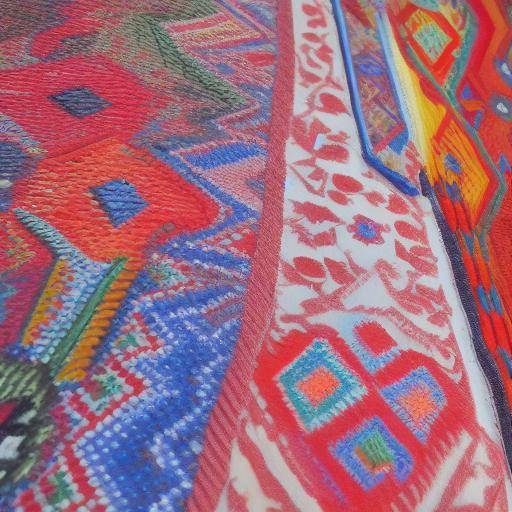
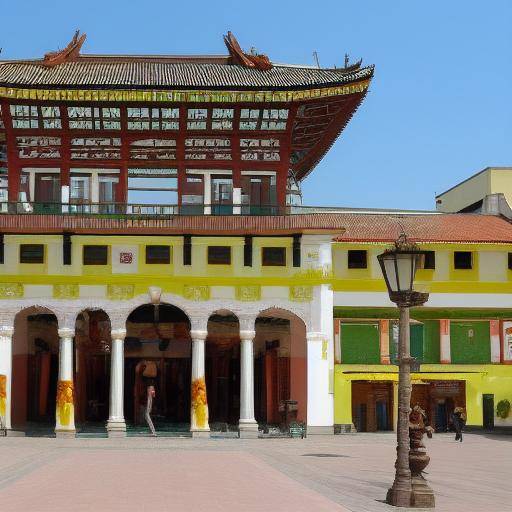
Throughout the centuries, the crafts of the Silk Road have become a testament to human ingenuity, incorporating local knowledge and transcontinental influences in its elaboration. From the manufacture of silk, ceramics, pottery, jewelry, to the construction of monuments and architecture, each form of art has left an indelible mark on the history of humanity.
Deep analysis
The impact of crafts and crafts along the Silk Road has transcended the boundaries of art itself, influencing socio-economic and cultural aspects. The technical sophistication and aesthetic delicacy of these crafts have shaped the identity of the communities along the route and have provided vital economic opportunities.
This millennial legacy presents a living testimony of the creativity and skill of the artisans, who produced unique pieces that are now highly valued in the global market. The ancient techniques of dyeing, embroidery, ceramics, among others, have passed generations, serving as a link with the past and a means to preserve the historical memory of the civilizations that flourished along the Silk Road.
Comprehensive review
The legacy of the Silk Road is manifested in contemporary crafts, where tradition and innovation converge to offer unique and seductive products for the international market. This heritage has sparked a resurgence of handicrafts along the route, attracting artisans, designers and enthusiasts from around the world who seek to participate in the preservation and reinvention of these valuable traditions.
Through a detailed look at current perspectives and methods, it is evident how the crafts of the Silk Road continue to be a source of inspiration for contemporary creativity and a platform for intercultural dialogue. Their resilience and adaptability over time demonstrate that these crafts are not only traces of history, but also cutting-edge sources for the modern world.
Comparative analysis
While different cultures along the Silk Road have developed distinctive plaster techniques, there is a common thread that unites these various artistic expressions, revealing similarities in creativity, symbolism and technical skill. This amalgam of convergent traditions has generated a rich artisanal culture that transcends geographical and temporal barriers, highlighting the importance of the Silk Road as a crucible of cultural and artistic influences.
Practical Tips and Accessible Recommendations
For those interested in immersed in the world of silk road crafts, it is recommended to explore local markets and craft communities in the various countries that formed this historic route. Participating in workshops and training programs with local artisans provides an opportunity to learn the techniques and processes in a practical way, as well as directly supporting the preservation of these valuable arts.
It is important to value and respect the authenticity of handicrafts, avoiding cultural appropriation and supporting local artisans by acquiring genuine products. By promoting greater awareness of the importance of these handicrafts, it contributes to their perpetuation and livelihoods of the communities that depend on them.
Industry Perspectives and Expert Reviews
Experts from the crafts industry agree that the legacy of the Silk Road represents an invaluable treasure that continues to inspire successive generations. Traditional craft practices are experiencing a rebirth in the contemporary era, appreciated both for their connection with the past and for their uniqueness in an increasingly globalized modern world.
The fusion of traditional techniques with technical innovation and contemporary design has led to a new wave of creativity that has captured the attention of the international market. As these valuable trades reinvent and find new audiences, they remain a source of pride for the communities that have preserved them for centuries.
Case Studies and Real Life Applications
A notable example of the resilience of the silk road crafts is the revitalization of silk production in some regions. With the use of sustainable practices and a renewed appreciation of traditional crafts, silk producers have managed not only to preserve an old tradition, but also to adapt it to the demands of the contemporary market, thus strengthening local economies and promoting environmental conservation.
Another case of relevance is the rebirth of pottery and pottery, where artisans have innovated in design and functionality, opening new horizons for their products in the global market. These examples illustrate how the craftsmanship of the Silk Road not only preserves a cultural heritage, but also adapts and evolves to meet the challenges and opportunities of the contemporary world.
Future Trends and Predictions
The future of silk road crafts is a balance between the preservation of ancestral techniques and the incorporation of contemporary innovations. As global awareness of the importance of the preservation of cultural heritage is intensified, these crafts are expected to be increasingly valued and appreciated as unique cultural treasures.
Increased support for artisanal communities through sustainable development and ethical trade programmes will strengthen the economic and social relevance of these practices. As the crafts of the Silk Road continue to reinvent itself in the contemporary landscape, they are expected to influence global trends and continue to inspire future generations.
Conclusion
The Silk Road gave us a vast treasure of crafts and crafts that reflect centuries of cultural exchange and human creativity. This legacy continues to inspire and enrich our lives, connecting with the roots of humanity and demonstrating that the legacy of the route remains alive in the hands of contemporary artisans.
There is no doubt that the crafts of the Silk Road are not simple static objects, but living witnesses of history, creativity and human connection over time. By preserving, celebrating and supporting these valuable traditions, we contribute to keeping alive a fundamental part of our global cultural heritage.
Frequently asked questions
What are some of the most representative crafts in the Silk Road?
The most representative crafts include silk, ceramics, pottery, jewellery, wood size, embroidery, fabric dyeing, among others. These crafts capture the diversity and mastery of communities along the Silk Road.
How can you support local artisans along the Silk Road?
An effective way to support local artisans is to purchase their products directly, either through craft fairs, cooperatives or online stores that promote ethical trade. It is also important to spread awareness about the importance of these handicrafts and their contribution to cultural preservation.
What is the importance of preserving the crafts of the Silk Road?
The preservation of the handicrafts of the Silk Road is crucial to keeping ancestral traditions alive, to strengthen the cultural identity of the communities and to contribute to the sustainable development of the regions that depend on these artisanal practices for their livelihood.
What opportunities for economic development offer the handicrafts of the Silk Road today?
The crafts of the Silk Road represent a valuable source of economic development, as they generate employment, attract cultural tourism, and offer unique products for international markets. They also promote the conservation of traditional techniques and encourage the inclusion and empowerment of local communities.
How can you learn more about the crafts of the Silk Road?
There are various organizations, museums, libraries and cultural associations that offer detailed information, exhibitions and educational programs on the handicrafts of the Silk Road. Participating in cultural events, workshops and thematic trips also provides the opportunity to immerse yourself in this fascinating artisanal universe.
What is the relevance of the handicrafts of the Silk Road today?
The crafts of the Silk Road have a significant relevance today, as they represent an invaluable cultural legacy, offer unique perspectives on history and cultural exchange, and remain a source of inspiration for contemporary design and global creativity.
We thus conclude a journey through the fascinating world of crafts and crafts of the Silk Road, a millennial legacy that remains an inexhaustible source of beauty, creativity and human connection. By preserving and assessing these valuable traditions, we ensure that they perish for generations to come, enriching our lives and strengthening the bonds that transcend borders and eras.