Welcome to the delicious adventure of culinary tours in India! If you love good food and want to explore the authentic flavors of Indian gastronomy, you are in the right place. In this article, you will discover the cultural and culinary wealth of India, delving into culinary tourism and exploring the most emblematic dishes of this fascinating country. From exotic spices to delicious regional dishes, prepare yourself for a sensory experience that will awaken all your senses.
Introduction
India, known for its cultural diversity and historical wealth, is also famous for its exquisite gastronomy. Culinary tours in India offer travelers a unique opportunity to explore authentic flavors, discover the secrets of traditional recipes and immerse themselves in local culture through their flavors. In this article, we will immerse ourselves in the history, traditions, and current trends of culinary tourism in India, allowing you to discover authentic India through its gastronomy.
History and Background
India's culinary history dates back to thousands of years, with influences from different cultures, such as the Persian, Arab, Mongolian, and British, which have shaped the diversity of flavors we know today. The spices played a fundamental role in the development of Indian cuisine, becoming an essential element that characterizes its dishes.
From the ancient civilization of the Indo Valley to the regional realms and the influence of the invaders, Indian gastronomy has experienced constant evolution. The diversity of ingredients and cooking techniques varies significantly throughout the country, reflecting the different cultures, climates and culinary traditions.
During colonial India, gastronomy also experienced a transformation with the introduction of new ingredients and methods of preparation. This laid the foundation for the fusion of regional cuisines with foreign influences, further enriching the culinary landscape of India.
Analysis in Deep
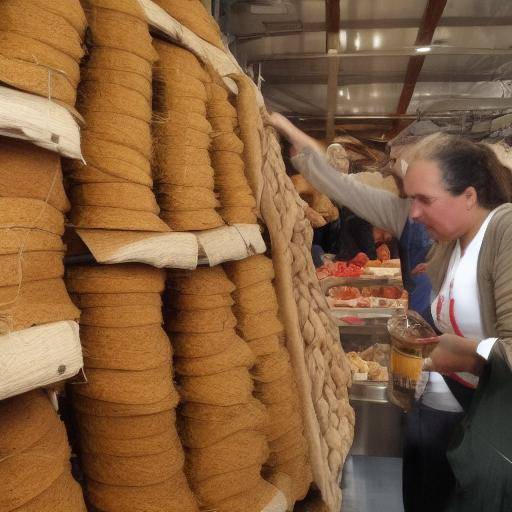
Culinary tourism in India has experienced a boom in recent decades, attracting avid travelers to explore authentic flavors and immerse themselves in local culture. This trend has led to the development of specialized tours that offer travelers the opportunity to participate in cooking classes, visits to local markets, and tastings of traditional dishes, providing an unforgettable experience that goes beyond the simple tasting of food.
Culinary tourism has not only driven the local economy, but has also helped preserve traditional culinary recipes and techniques, safeguarding India's gastronomic heritage for future generations. It has also fostered cultural exchange, promoting greater understanding and appreciation for the culinary diversity of India.
Comprehensive review
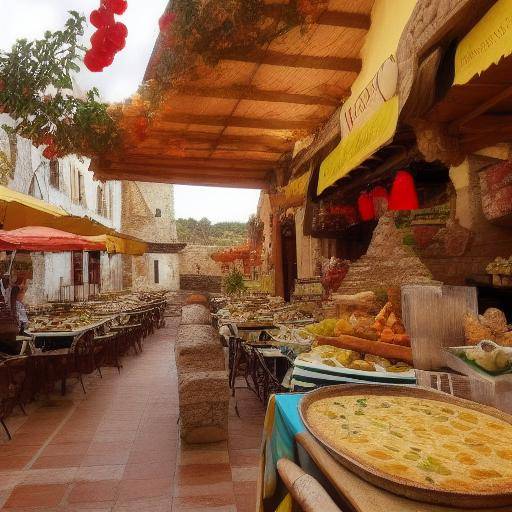
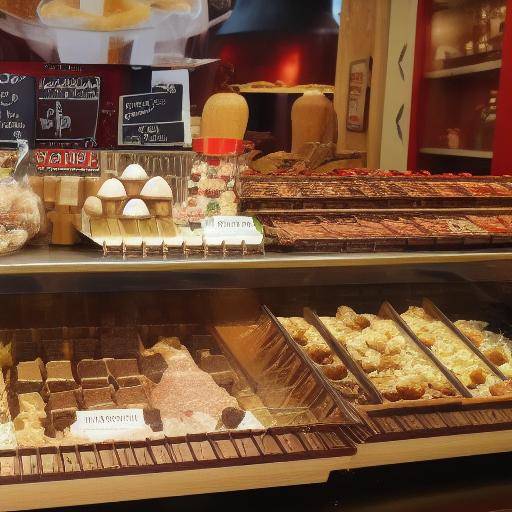
Culinary tourism in India offers a wide range of experiences, from vibrant street markets to luxurious gourmet restaurants, each with its own culinary history and tradition. Travelers have the opportunity to discover the regional nuances of Indian cuisine, from the southern curry spicy to the succulent northern kebab, enriching their palate with an explosion of unique flavors.
The experts agree that this approach in local gastronomy not only diversifies the tourist offer, but also promotes sustainability, by supporting local producers and fostering traditional culinary practices that have resisted the passage of time.
Comparative analysis
By comparing India to other culinary tourism destinations, its uniqueness is revealed in terms of diversity of flavors, cultural influences and variety of culinary techniques. The wealth of indigenous ingredients, exotic species and traditional dishes offers an incomparable culinary experience that attracts travelers from around the world. The intimate connection between food and culture in India allows visitors to immerse themselves in a sensory experience that goes beyond mere feeding.
Practical Tips and Accessible Tips
If you are planning a culinary tour in India, here are some practical tips to make your experience an unforgettable adventure:
- Explore local markets to discover fresh and authentic ingredients.
- Participate in cooking classes with local chefs to learn the elaboration of traditional dishes.
- Try regional dishes that reflect the culinary diversity of the country.
- Do not be afraid to try new spices and flavors, as India is known for its diversity of seasonings.
- Connect with the local community to understand the cultural and traditional aspects associated with food.
Industry Insights and Expert Reviews
According to experts from the culinary tourism industry, India represents a vibrant and exciting destination for food lovers and curious travelers. The authenticity of flavors, the influence of regional culinary traditions and the focus on fresh and local ingredients, make culinary tours in India an enriching and rewarding experience.
Experts also point out that culinary tourism in India is constantly evolving to meet the demands of travelers, merging authenticity with comfort and accessibility. This evolution is reflected in the diversity of culinary experiences ranging from luxury establishments to humble family kitchens, providing an authentic window to Indian culture through its flavors.
Case Studies and Real Life Applications
Case studies show how culinary tours in India have positively impacted local communities, supporting small producers and promoting sustainable practices. Culinary experiences have also given travelers a deeper perspective of Indian culture, generating greater appreciation for the country's gastronomic diversity.
In addition, real-life applications show that culinary tourism in India has generated employment and entrepreneurship opportunities, encouraging locals to share their culinary knowledge and traditions with visitors, in a cultural exchange that benefits both sides.
Future Trends and Predictions
Future trends in culinary tourism in India are aimed at greater diversification of experiences, ranging from the integration of technology into culinary experiences to the resurgence of forgotten recipes and culinary techniques. Predictions indicate a deeper approach to the sustainability and preservation of culinary heritage, as well as a further promotion of regional influence on Indian gastronomy.
In conclusion, culinary tours in India offer a unique opportunity to discover the culinary and cultural wealth of this fascinating country. From history and gastronomic traditions to current and future trends, India is an indispensable destination for lovers of good food and travellers in search of authentic experiences. Dive into the flavors, aromas and colors of India, and let your gastronomy guide you on an unforgettable journey of discovery and delight.
Frequently asked questions
What are some emblematic dishes I should try during a culinary tour in India?
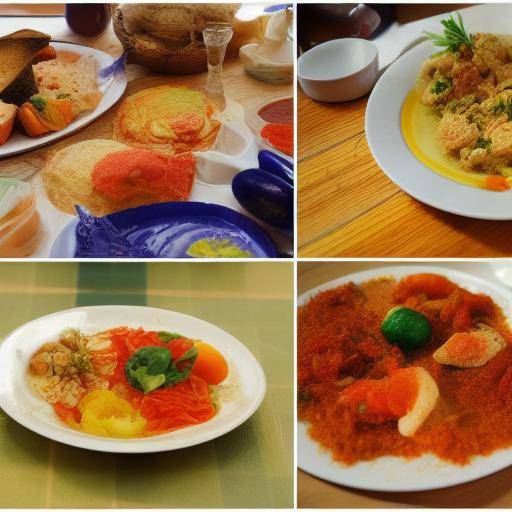
India is known for its various dishes that vary according to the regions. Some emblematic dishes include chicken tikka masala, biryani, thali, canopy, chaat, kebab, paneer tikka, among others. Each region offers a unique variety of dishes that reflect the country's culinary diversity.
What types of culinary experiences can I expect during a culinary tour in India?
During a culinary tour in India, you can enjoy a wide range of culinary experiences, ranging from visits to local markets and cooking classes to tasting traditional dishes in specialized restaurants. You can also participate in dinners in local homes, where you will have the opportunity to experience authentic home cooking and enjoy Indian hospitality.
What is the importance of spices in Indian gastronomy?
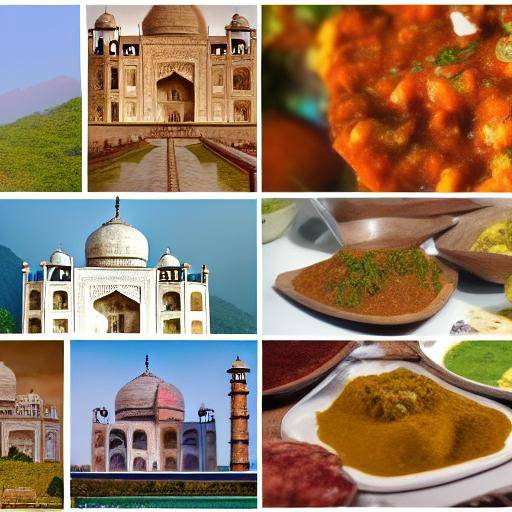
Spice plays a fundamental role in Indian gastronomy, providing flavours, aromas and distinctive colors to the dishes. In addition to enhancing the taste of foods, many spices also have medicinal properties and are used in traditional Ayurvedic medicine. Spices such as turmeric, cumin, cilantro, cardamom, nail, cinnamon and ginger are just some of the many spices used in Indian cuisine.
What is the best time of the year for a culinary tour in India?
The best time for a culinary tour in India depends on the region you want to visit. In general, the months from November to March are usually ideal, as the weather is cooler and more pleasant in most regions. However, each region has its own optimal season, so it is advisable to investigate the specific climate conditions of the region you plan to visit.
How can I participate in cooking classes during a culinary tour in India?
Many culinary tours in India include the option of participating in cooking classes with local chefs or in specialized cooking schools. You can also search for cooking class experiences via online platforms or ask local hotels or accommodation for options available in the area you are visiting.
What are some tips to test street food safely during a culinary tour in India?
Street food is an integral part of Indian culinary culture, and testing it is an enriching experience. Some tips to enjoy street food safely include choosing crowded and popular places among locals, observing the hygiene of the place, avoiding eating raw or uncooked foods, and drinking bottled water or boiled water.
How can I explore India's culinary diversity during a culinary tour?
To explore the culinary diversity of India during a culinary tour, it is advisable to investigate the culinary specialties of each region you plan to visit. In addition to trying emblematic dishes such as biryani, dosa or thali, you can also look for experiences that offer a deeper view of local cuisine, such as food festivals, dinners with local families, or thematic tours focused on a particular culinary speciality.
This article has been designed to guide you through the exciting experience of culinary tours in India, offering you an integral vision of gastronomy, culinary tourism, history, current and future trends, as well as practical advice so you can make the most of your culinary trip to India. Prepare to savor authentic India through its delicious gastronomy!