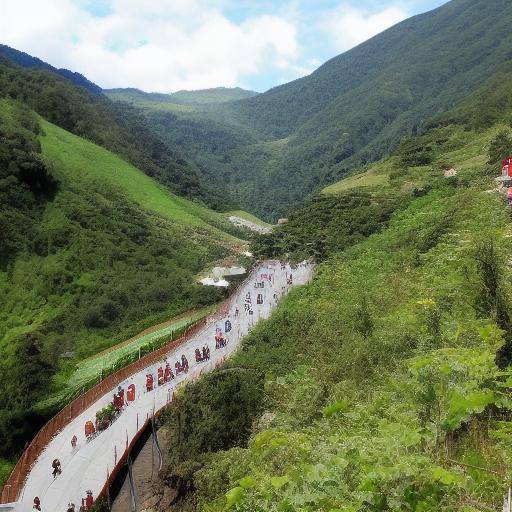
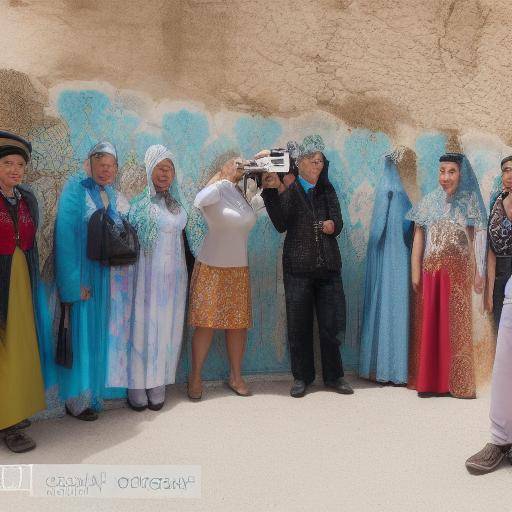
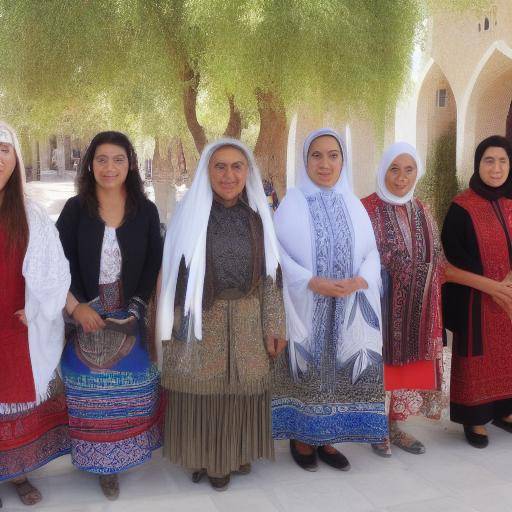
Today, the Silk Road remains a fascinating reminder of the global connectivity that began more than two millennia ago. This former trade corridor not only facilitated the exchange of silk, spices and other exotic products between the East and the West, but also played a crucial role in the cultural exchange and dissemination of knowledge among different civilizations. In the course of history, this remote route led to the emergence of prosperous cities that, over time, were forgotten and became part of the legends. They are the famous "lost cities" that continue to shine with their historical mystery and appeal. In this article, we will explore the hidden treasures of the Silk Road, focusing on the ancient cities that remain silent witnesses of a glorious past, as well as on the adventures that await those who venture in their search.
Introduction
The Silk Road, a symbol of interculturality and interconnection, has witnessed the cultural wealth and historical importance that once housed the cities that lined up along its extension. Today, these ancient cities offer a look at a fascinating chapter of human history, attracting travelers and archaeologists alike. From the majesty of Samarkand to the enigmatic Ruins of Merv, each of these lost cities presents a window to a forgotten world.
History and Background
The Silk Road had its origins in 130 BC during the Han dynasty of China. It began as a commercial and cultural route connecting China to the Mediterranean, extending for almost 6,437 kilometres across Central Asia. The cities along this route flourished thanks to the constant trade and interaction between East and West.
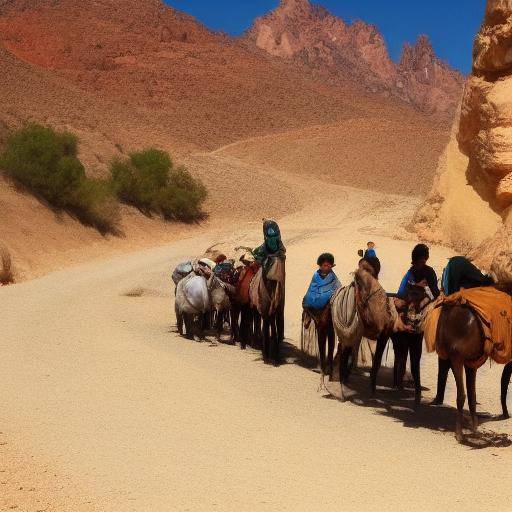
Cities such as Kashgar, Khiva, and Bukhara became centers of commercial and cultural activity, flourishing with the arrival of caravans of merchants. Innovations in architecture, art and technology spread through these cities, leaving a lasting legacy.
Analysis in Deep
Cities along the Silk Road faced monumental challenges: from intercultural conflicts to changes in trade routes. Despite these challenges, they thrived thanks to a unique combination of resilience and adaptability. This in-depth analysis allows us to understand the lessons that these ancient cities can offer in a contemporary world.
Comprehensive review
By exploring the modern applications of the lessons learned from these cities, a deep understanding arises of how to adapt traditional practices to the current context. The ability of these old cities to thrive in adverse conditions offers a valuable and applicable vision of our business and social environment.
Comparative analysis
Compare the Silk Road with ancient cities, and explore similarities and differences with other trade routes throughout history, let us understand their unique impact on the ancient world and its relevance to the contemporary world.
Practical Tips and Accessible Tips
Adventurous travelers who venture into the search for these lost cities should be prepared to immerse themselves in unique experiences. Providing practical advice on how to explore these historical jewels in a safe and enriching way is essential to ensuring a rewarding experience.
Industry Perspectives and Expert Reviews
Experts on archaeology and cultural studies offer valuable insights on the implications of preserving these cities and the legacy they transmit. Their views give a deeper understanding of the historical and cultural importance of these treasures of humanity.
Case Studies and Applications in Real Life
The detailed case studies, which highlight the practical applications of the principles and lessons derived from these ancient cities in modern life, offer a concrete view of how these teachings remain relevant in the current world.
Future Trends and Predictions
Analyzing emerging trends related to the Silk Road, ancient cities and adventures allows us to glimpse the role that these ancient civilizations can play in the future. By projecting potential implications and opportunities, a clear view of the continuing impact of these historical wonders is obtained.
Conclusions
In short, the lost cities of the Silk Road represent priceless treasures that continue to captivate and inspire present and future generations. From their historical importance to their potential influence in modern society, these ancient cities continue to play a crucial role in understanding our past and setting up our future. Their search and preservation are vital to keep alive the rich cultural heritage that the Silk Road has legated to the world.
Frequently asked questions (FAQs)
1. What are some of the most outstanding cities along the Silk Road?
The most outstanding cities along the Silk Road include Samarkand, Bukhara, Kashgar, Khiva, and Merv, among others. Each of these cities offers a wealth of unique history, architecture and culture.
2. What is the historical importance of the Silk Road and its ancient cities?
The Silk Road played a crucial role in the interconnection of civilizations, facilitating the exchange not only of material goods, but also of knowledge, ideas and cultures. His ancient cities served as cultural, technological and commercial exchange centres.
3. What challenges faced the cities along the Silk Road in their peak?
Cities along the Silk Road faced challenges such as intercultural conflicts, changes in trade routes, and external pressures of empires and conquerors. Despite these challenges, they succeeded in a complex and diverse environment.
4. How can you preserve the cultural heritage of the ancient cities of the Silk Road?
The preservation of the cultural heritage of the ancient cities of the Silk Road requires a holistic approach that includes physical conservation measures, public education, archaeological research and international cooperation to protect and promote the importance of these historic sites.
5. What unique experiences can travelers enjoy exploring the ancient cities of the Silk Road?
Travelers have the opportunity to immerse themselves in the rich history, impressive architecture and vibrant culture of these ancient cities. From local markets to complex historical monuments, each city offers a unique and enriching experience.
6. What is the current impact of the Silk Road and its ancient cities in the contemporary context?
The Silk Road and its ancient cities remain relevant in the contemporary context, influencing areas such as tourism, cultural diplomacy, and the preservation of world heritage. Its cultural and historical impact remains of significant relevance in the current world.
Conclusion Lost cities of the Silk Road offer a window to the rich history and cultural exchange that has shaped the world as we know it. Their legacy remains as priceless treasures, and their exploration and preservation are fundamental to enrich our understanding of the past and to form a sustainable future. His legacy continues to awaken admiration and curiosity, offering every generation the opportunity to discover the magic of ancient civilizations along the Silk Road.
In short, the cities lost along the Silk Road keep secrets and treasures that continue to captivate and inspire humanity. Its historical and cultural value transcends time, and its preservation is fundamental to keeping alive the legacy that have legated the world. To immerse yourself in the fascinating history of these ancient cities is to undertake a journey in time, an adventure that awakens the imagination and connects us with the diversity and splendor of civilizations that once thrived on this iconic commercial route.
With this structure, the article fully and in detail addresses the theme of the lost cities of the Silk Road. It includes historical, cultural, tourist and preservation elements, providing valuable information for readers interested in this fascinating and enigmatic topic.