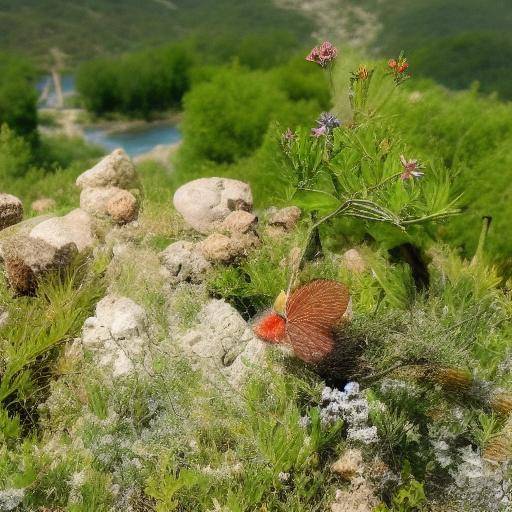
The Silk Road, with its ancient paths that spread across Asia, is much more than just a commercial route. Today, the Silk Road attracts adventurous travelers who want to experience natural beauty and personal discovery. In this article, we will explore the history of the Silk Road, hiking in its surroundings and the connection with nature, giving you a complete and detailed view of this fascinating experience.
Introduction
The Silk Road has left an indelible footprint in human history, and hiking along its ancient paths is a unique opportunity to immerse yourself in its legacy. Discover how hiking on the Silk Road not only allows you to connect with nature, but also with the deep historical roots of this famous trade path.
History and Background
The Silk Road, also known as the Earth Silk Road, was a complex interspersed with commercial routes connecting China to the Mediterranean. Its historical importance is unquestionable, as it facilitated the economic, cultural and technological exchange between the east and the west. From its emergence in the second century BC until its decline in the fifteenth century, the Silk Road left a profound mark on global history.
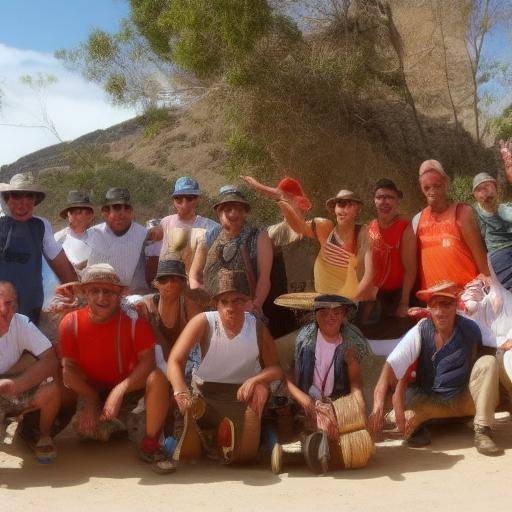
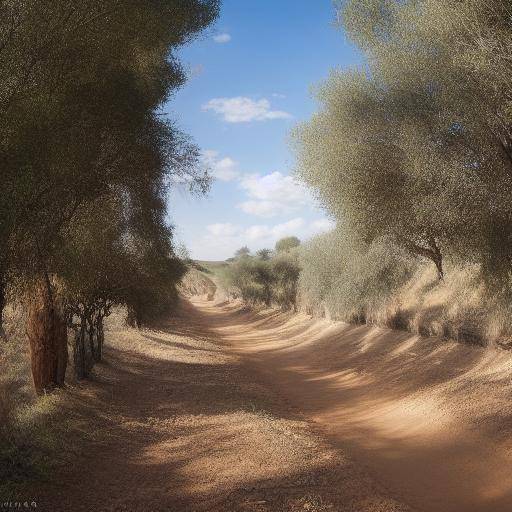
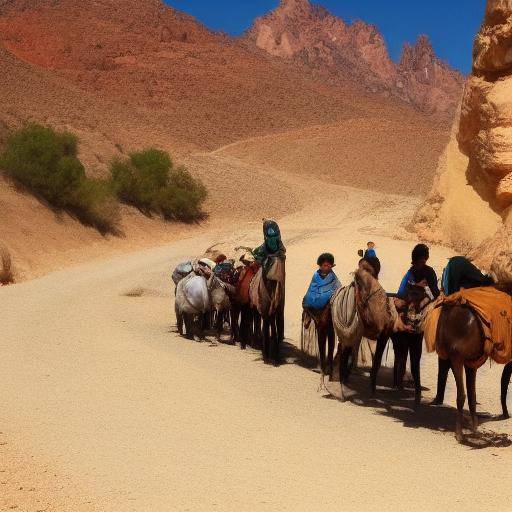
Traveling along the Silk Road allows adventurers to follow the steps of the former traders, experiencing the same cultural diversity and natural settings that marked this route over the centuries. From the majestic mountains of the Pamir to the arid deserts of Central Asia, hiking on the Silk Road is an immersion in the historical and geographical richness of this region.
Analysis in Deep
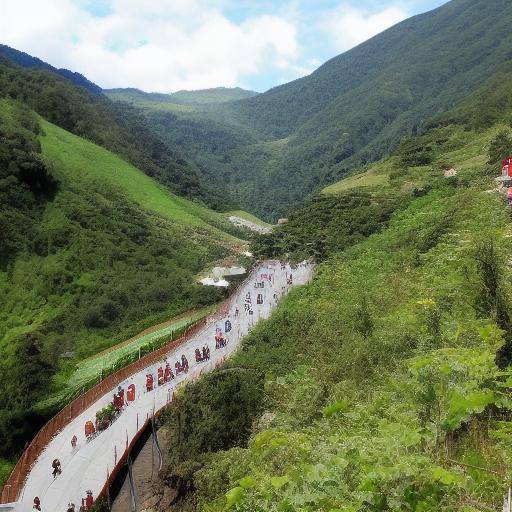
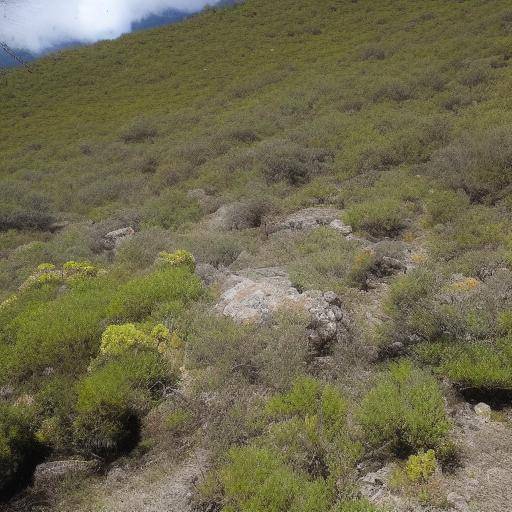
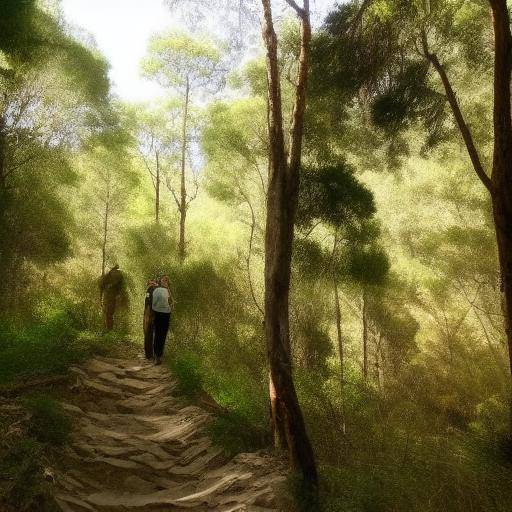
Hiking along the Silk Road presents unique challenges and benefits. The natural beauty of this region is incomparable, with landscapes ranging from high mountain ranges to lush valleys. However, the varied and sometimes challenging terrain requires basic training and knowledge of hiking.
Explore the Silk Road offers a genuine encounter with nature, away from the hustle of modern cities. The adventurers can experience the tranquility of the oasis, the greatness of the mountains and the vastness of the deserts, all while following the steps of the ancient travelers.
Comprehensive review
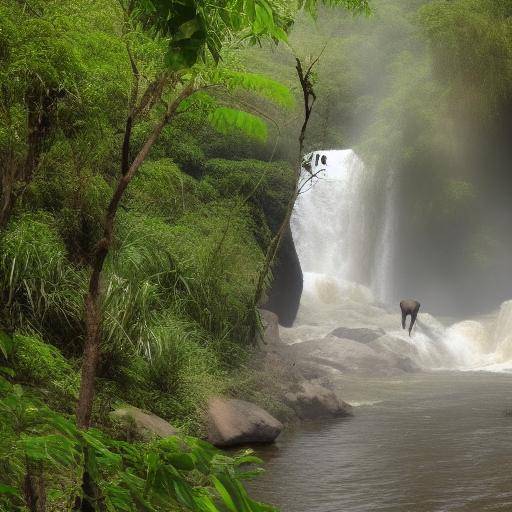
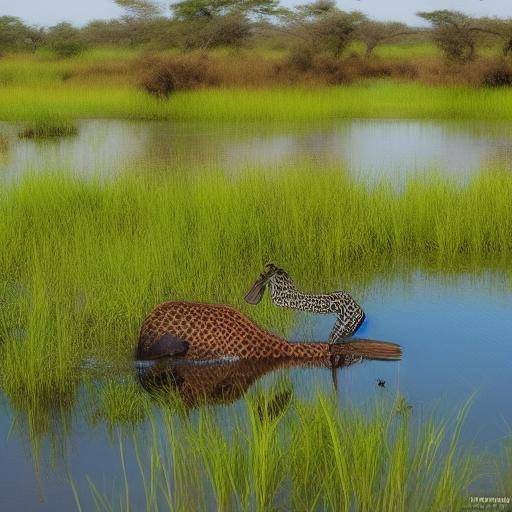
Hiking on the Silk Road is not only a personal adventure, but also presents opportunities to understand and appreciate the environment. Travelers have the possibility of connecting with nature in an intimate way, observing wildlife and appreciating the biodiversity of this unique region.
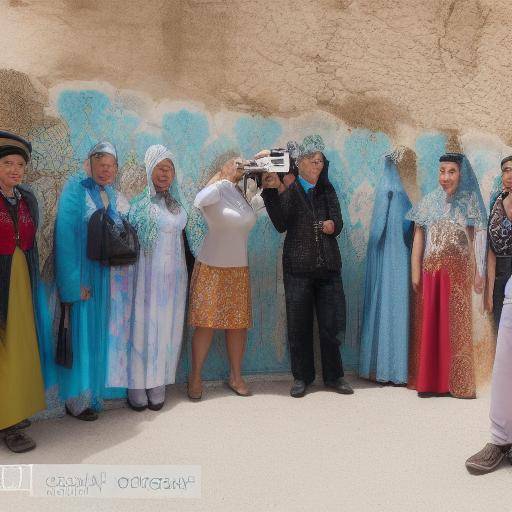
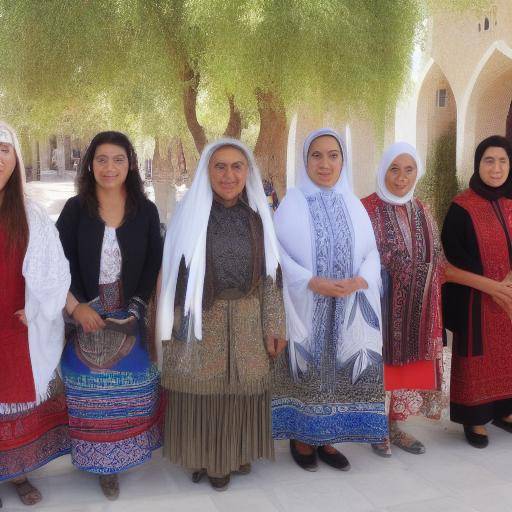
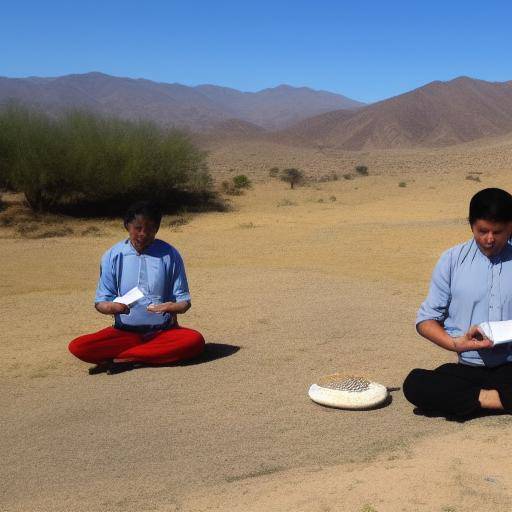
In addition, hiking on the Silk Road offers a unique look at local communities and their traditional lifestyles. Meetings with remote villages provide an authentic perspective of local culture and traditions, further enriching the experience.
Comparative analysis
By comparing hiking on the Silk Road with other experiences close to nature, we highlight its uniqueness. Unlike other hiking destinations, the Silk Road offers a complete immersion in the history and culture of the region, making it an enriching experience from multiple aspects.
The Silk Road is a place where history, hiking and nature intertwine in a unique way, offering visitors an incomparable perspective that combines outdoor adventure with fascinating human history.
Practical Tips and Recommendations
For those looking to embark on this exciting adventure, it is crucial to have the right equipment and preparation. From resistant footwear to essential supplies, hiking on the Silk Road requires careful planning. It is advisable to search for local guides or specialized agencies that can offer assistance in both hiking and understanding the history and culture of the region.
In addition, it is important to respect the natural environment and local communities during hiking on the Silk Road. Maintaining responsible behaviour, such as not leaving trash and respecting local customs, is fundamental to preserving the beauty and authenticity of this region.
Ideas and Views of Experts
Adventure tourism experts highlight the Silk Road as one of the most fascinating hiking experiences in the world. The combination of physical challenges, natural beauty and cultural wealth makes it an attractive choice for hiking lovers.
Some experts also emphasize the importance of understanding the history and cultural significance of the Silk Road when undertaking this journey. This enriched perspective allows hikers to fully immerse themselves in the magnitude of this historic commercial path.
Case Studies and Real Life Applications
Travelers who have explored the Silk Road share fascinating experiences of personal discovery and connection with nature. The stories of facing physical challenges, interacting with local communities and marveling at landscapes are moving testimonies of how this region can deeply impact those who visit it.
In addition, these experiences also demonstrate the importance of appreciating and preserving the Silk Road as an invaluable cultural and natural heritage. Its inclusion in the UNESCO World Heritage list highlights its relevance and the need to protect its integrity.
Future Trends and Predictions
The Silk Road continues to attract adventurers and nature lovers, and its popularity is expected to continue to increase in the coming years. As more people look for authentic and meaningful experiences, hiking on the Silk Road will become a reference destination for those who want to combine history, culture and nature into a single experience.
Conclusion
Hiking on the Silk Road is much more than exploring an ancient commercial route. It offers a deep connection to history, nature and local communities, allowing adventurers to discover the grandeur of this region in a unique way. Those who choose to embark on this adventure will be rewarded with an enriching experience that will leave an imprint on their lives.
Frequently asked questions
What are the main challenges of hiking on the Silk Road?
Hiking on the Silk Road presents physical and logistical challenges, including varied terrain, abrupt climate change and the need to respect local customs.
Is it necessary to have a hiking guide on the Silk Road?
While it is not strictly necessary, having a local guide or a specialized agency can enrich the experience by providing historical context, logistical assistance and knowledge about the environment.
What is the best time of the year for hiking on the Silk Road?
Spring and autumn are usually the most suitable seasons for hiking on the Silk Road, as they offer more moderate temperatures and spectacular landscapes.
Are there special visa requirements or hiking permits on the Silk Road?
Depending on the country or region that is visited along the Silk Road, visas or special permissions for hiking may be required. It is important to review the specific requirements before taking the trip.
What kind of equipment and preparation is needed for hiking on the Silk Road?
It is essential to have a suitable equipment for hiking, including resistant footwear, suitable clothing for climatic variations, a comfortable backpack, camping equipment if necessary, and emergency supplies.
What cultural aspects and local traditions should be taken into account when hiking on the Silk Road?
It is essential to respect local customs and follow label rules by interacting with communities along the Silk Road. Showing respect and openness to local traditions will contribute to a more enriching and positive experience.
We hope these answers will help you plan and enjoy your hiking trip to the Silk Road!
This concludes our in-depth analysis of the fascinating world of hiking on the Silk Road and its connection to nature and history. We hope that this article has given you a complete and enriching view of this unique experience.