The Silk Road is one of the most famous trade routes in history, connecting the east and west, facilitating the exchange of products, technologies and knowledge between different cultures. In this article, we will explore the city of Jiva in Uzbekistan, a crucial point in this ancient network of trade routes, and discover the rich history, trade and architecture of Central Asia. From cultural influences to architectural treasures, immerse yourself in a journey that reveals the secrets and cultural lessons of this fascinating region.
Introduction
A View to the Silk Road
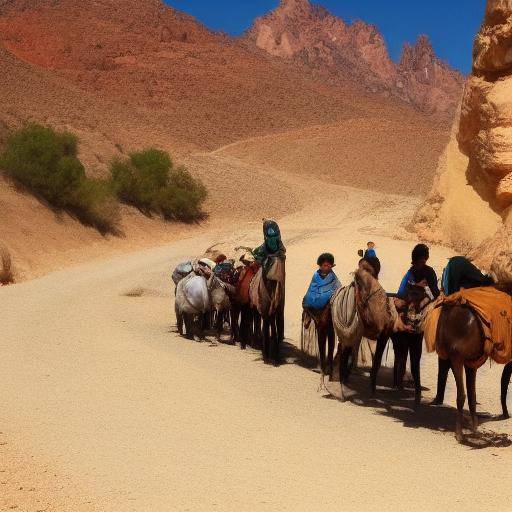
The Silk Road, known for its extensive commercial networks dating back over two thousand years, played a crucial role in the formation of world civilization. This former trade corridor connected East Asia with the Mediterranean, promoting the exchange not only of material goods, but also of cultural ideas, religions and influences. Over the centuries, the Silk Road became a vital artery for international trade, leaving a lasting mark on societies and cultures along its extension.
History and Background
Origins and Historical Significance
The history of the Silk Road dates back to the second century BC, when the first Chinese merchants began to extend their influence to the west, seeking to reach the Mediterranean. This network of routes grew over time, favoring the exchange of silk, spices, jade, paper, and manufactured products between the east and the west. In addition to trade, the Silk Road also facilitated the exchange of ideas, technologies and religions, leaving a profound mark on cultures along their extension.
Developments and Reflection Points
Over the centuries, the Silk Road experienced several significant changes and developments. From the expansion of empires to the introduction of new technologies, each stage of its history left an indelible mark in the world. The opening of new trade routes and the introduction of different cultures further enriched the dynamics of cultural and economic exchange that defined the Silk Road.
Anecdotes and Case Studies
The legacy of the Silk Road is full of fascinating anecdotes and case studies that illustrate the vastness and complexity of this ancient network of trade routes. From the stories of explorers and merchants to the archaeological discoveries that reveal the scope of their influence, these stories provide a unique view of the historical depth of the Silk Road.
Deep analysis
Current Benefits, Challenges and Trends
The legacy of the Silk Road remains relevant today, with significant impacts on global trade and culture. As the modern world faces unique challenges and opportunities, the history and underlying principles of the Silk Road continue to provide valuable insights on trade, diplomacy and cultural interaction across borders.
Statistics, Case Studies and Real Examples
Statistics, case studies and real examples illustrate the tangible impact of the Silk Road on the global economy and cultural diversity. From the increase in tourism to the evolution of commercial infrastructures, these data provide a concrete view of the continued influence of the Silk Road in the modern world.
Different Perspective Analysis
The multiple perspectives on the Silk Road offer a broader view of its meaning and legacy. In exploring the divergent academic, cultural and historical interpretations, it is possible to understand the complexity and diversity of this network of trade routes, as well as their implications over time.
Exhaustive examination
Applications, Case Studies and Best Practices
Contemporary applications of the principles of the Silk Road provide a valuable insight into trade strategies, international diplomacy and cultural interaction. In studying current cases that reflect the principles of the Silk Road, it is possible to draw practical lessons and best practices for a globalized world.
Opinions of Experts and Futures
The views of experts and future perspectives on the Silk Road provide a profound insight into their continued influence and possible future trajectories. In exploring the perceptions and analysis of leading academics, diplomats and experts in international trade, it is possible to anticipate how the Silk Road will continue to shape our global reality.
Comparison and Contrast
By comparing and contrasting the Silk Road, Jiva and Uzbek culture, it is possible to discover similarities, differences and possible synergies that illustrate the cultural and commercial interconnection of Central Asia. The detailed analysis of these contexts reveals the complex dynamics that have shaped human traditions and interactions in the region over time.
Examples and Scenarios Detailed
Explore detailed examples and scenarios of the Silk Road, Jiva and Uzbek culture offers a more complete understanding of their historical and contemporary legacy. By immersed in specific accounts, it is possible to grasp the essence of these cultural entities and their impacts on the present.
Practical Tips and Accessible Recommendations
Practical Guidance and Accessible Tips
Providing practical guidance and actionable advice on how to explore the Silk Road, visit Jiva or immerse yourself in Uzbek culture allows readers to access useful resources and concrete recommendations for their own exploration and understanding of these thematic topics.
Step-by-Step Guidelines and Practical Sections
Presenting step-by-step guidelines and practical sections to understand, visit or study the Silk Road, Jiva and Uzbek culture gives readers a clear framework to engage with these issues in a meaningful and enriching way.
Details and Justifications
Providing detailed explanations and justifications behind practical advice and actionable recommendations allows readers to understand the context and logic underlying these guidelines, providing a broader perspective on the importance of these cultural issues.
Industry ideas and Opinion of Experts
Industry ideas and Expert Reviews
Gathering and presenting industry ideas and expert opinions on the Silk Road, Jiva and Uzbek culture offers an enriching view of how these topics are perceived and valued by those who work in related fields, as well as by experts in these areas.
Implications for the Future and Trends
Discussing implications for the future and trends related to the Silk Road, Jiva and Uzbek culture allows readers to understand the potential impact of these issues in the contemporary world and anticipate their evolution in the coming years.
Interviews or Expert Quotes
Including interviews or appointments of experts who provide their vision and expertise on the Silk Road and Uzbek culture provides an additional dimension to understanding these topics, presenting authoritative and insightful perspectives.
Case Studies and Practical Applications
Cases and Applications in Real Life
Including detailed case studies showing practical applications and tangible examples of the influence of the Silk Road, Jiva and Uzbek culture in different contexts offers a concrete and enriching view of the contemporary relevance of these issues.
Results and Lessons Learned
Analyzing the results and lessons learned from case studies on the Silk Road, Jiva and Uzbek culture allows readers to understand the real impacts and implications of these issues in everyday life and in the various spheres of society.
Examples of Different Industries and Contexts
Providing examples of different industries and contexts that illustrate the applicability and multifaceted influence of the Silk Road, Jiva and Uzbek culture offers a wider understanding of the diversity of impacts that these issues have on the world today.
Future Trends and Predictions
Emerging Trends and Predictions
Discussing emerging trends related to the Silk Road, Jiva and Uzbek culture allows readers to anticipate and understand the changing dynamics around these issues, as well as to glimpse possible future developments.
Current Data and Expert Reviews
Providing predictions based on current data and expert opinions on the evolution of the Silk Road, Jiva and Uzbek culture gives readers an informed and insightful insight into the likely course of these issues in the near and long term future.
Exploring Potential Challenges and Opportunities
Exploring potential challenges and opportunities associated with the evolution of the Silk Road, Jiva and Uzbek culture enables readers to understand the potential obstacles and advantages that could influence these issues in the future.
Conclusion and Frequently Asked Questions
Conclusion
In short, the Silk Road, Jiva and Uzbek Culture form a rich and complex fabric of historical, commercial and cultural influences that continue to shape the contemporary world. In exploring the history, legacy and current applications of these topics, it is possible to appreciate their lasting importance and relevance in today's globalized world.
Frequently asked questions
What is the importance of Jiva on the Silk Road?
Jiva, as one of the key historical cities along the Silk Road, played a crucial role as a center for trade, culture and heritage. Its architectural legacy and influence in the region have made it an emblematic destination to understand the wealth of the Silk Road.
How did the Silk Road influence Uzbek culture?
The Silk Road had a profound impact on Uzbek culture, introducing new influences, products and ideas that enriched local society and traditions. This cultural interaction has left a lasting mark on the identity and arts of Uzbekistan.
What are the most outstanding architectural sites along the Silk Road in Jiva?
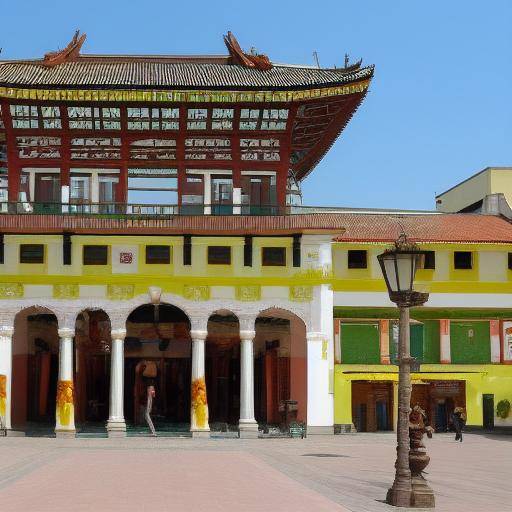
Jiva houses a wealth of impressive architectural sites, such as the Old Town of Itchan Kala, the Juma Mosque, the Tosh Hovli Palace and the Kunya-Ark Fortress, which reflect the diversity and historical grandeur of the Silk Road in this region.
How can I explore the Silk Road today?
Today, travelers can explore the Silk Road through specialized tours, which offer the opportunity to visit historic sites, interact with local communities and immerse themselves in the rich cultural heritage of this ancient commercial route.
How has the Silk Road influenced modern trade?
The Silk Road has left a lasting legacy in modern trade by fostering connectivity between different regions, facilitating the exchange of goods and promoting economic collaboration across borders.
What opportunities does Uzbek culture offer for travelers and scholars?
Uzbek culture gives travelers and scholars the opportunity to immerse themselves in a heritage rich in unique arts, gastronomy, architecture and traditions that reflect the diversity and hospitality of Uzbekistan.
In conclusion, the Silk Road, Jiva and Uzbek culture transport us through time and space, revealing the universal interconnections that have shaped human civilization. From ancient trades to architectural and cultural wealth, the influence of Central Asia continues to resonate in the modern world. In exploring these themes, you can appreciate the breadth and depth of human history, as well as its continuous impact on the present.
With this, we invite you to continue exploring, learning and connecting with the invaluable cultural lessons of the Silk Road in Jiva and the rich Uzbek culture.
We conclude this journey through the Silk Road with the certainty that its legacy will endure in history and in our minds, shaping the present and the future in a network of exchange, diversity and mutual enrichment.