The Silk Road is one of the most important historical legacy, the bridge between the East and the West. In this article, we will explore the influence of the Silk Road in Jiva, a city located in Uzbekistan, known for its rich history, culture and Uzbek art. We will immerse ourselves in the beauty of the tiles, carved in wood and traditional jewelry, discovering the magic that has endured over the centuries.
Introduction
The Silk Road is a symbol of cultural and economic exchange that connects Asia, Europe and Africa. Jiva, also known as Khiva, is one of the cities that flourished thanks to this route, preserving its architectural and artistic splendor. On this journey, we will explore the timeless beauty of the tiles, the exquisite carved in wood and the tradition of jewelry that lasts in Jiva until today. Prepare your senses for an unforgettable journey through Uzbek art.
History and Context
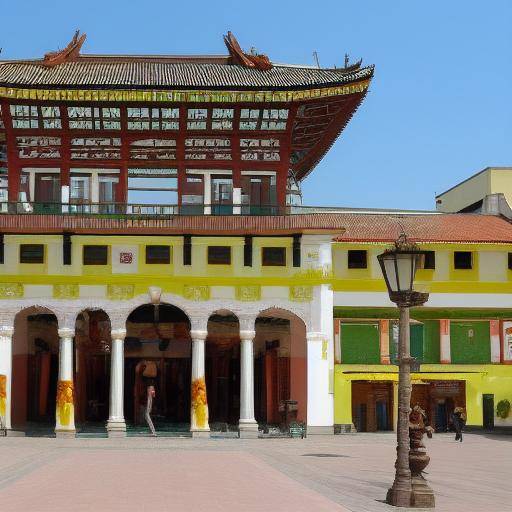
Located in the heart of Central Asia, Jiva has preserved its legacy as a treasure of the Silk Road. The influence of this route is reflected in its art, with magnificent tiles adorning its mosques, mausoleums and madras. Wood carvings are an artistic expression rooted in tradition, while the traditional Uzbek jewellery shines with a centuries-old heritage. Uzbek craftsmanship is a synthesis of the Persian, Arab and Turkish influences, making it a living testimony of cultural diversity along the Silk Road.
Tiles: Color and Art Treasures
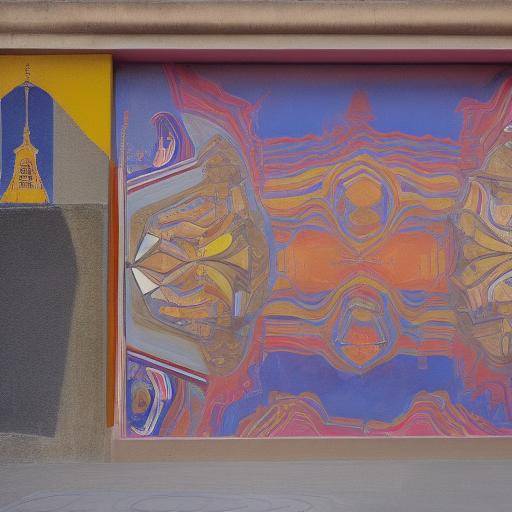
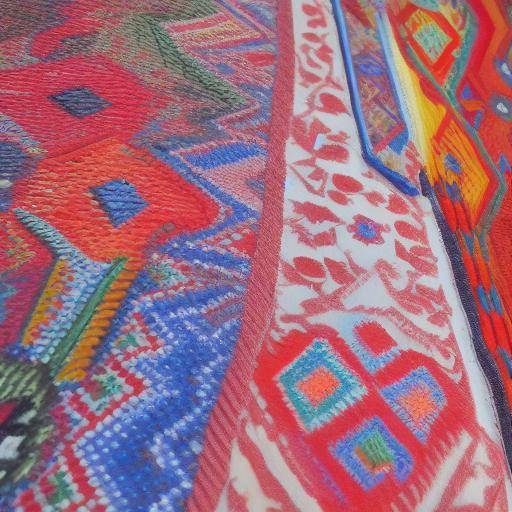
Uzbek tiles are true masterpieces that dazzle with their vibrant colors and elaborate designs. These tiles are used to decorate facades, domes and walls, giving the Uzbek architecture an unparalleled beauty. Geometric, floral and abstract motifs narrate ancestral stories and represent the artistic skill of the Uzbek potters. Each tile is a window to history and infinite creativity that has endured over the centuries.
Wood Cutting: Tradition Ecos
Wood is an exquisite medium of expression in Uzbek art. Wood carvings adorn doors, columns and furniture with intricate designs that reflect the skill of the artisans. These timeless works tell stories of everyday life, mythology and beliefs, becoming silent witnesses to the rich culture of Jiva. Each wood carving is a celebration of human ingenuity and a living legacy that transcends generations.
Traditional Jewelry: Centenary Elegance
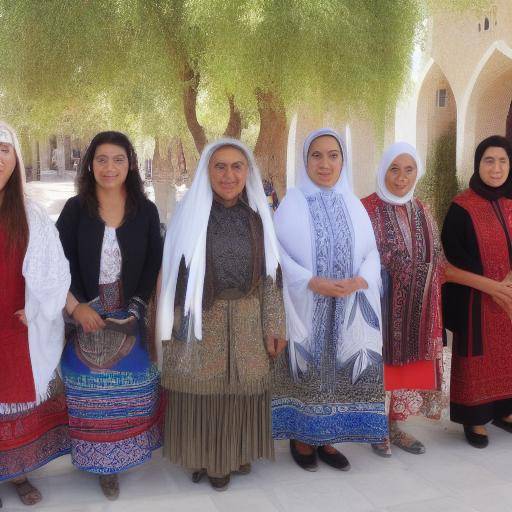
The Uzbek jewelry is a manifestation of elegance and tradition rooted in the history of the Silk Road. Uzbek goldsmiths have created unique pieces that stand out for their fineness and sophistication. Silver and gold are intertwined with precious gems to give life to rings, necklaces, bracelets and earrings that embody the splendor of Uzbek art. These exquisite pieces are not only accessories, but also cultural treasures that symbolize the heritage of the Silk Road.
Inspiration of a Legacy
The connection between the Silk Road, Jiva and Uzbek art is an inexhaustible source of inspiration. The beauty of the tiles, the mastery of wood carvings and the elegance of traditional jewellery transport us to a universe where the past intertwines with the present. Uzbek art is an invitation to explore the cultural wealth of humanity and to appreciate the creativity that transcends borders and eras.
Conclusion
In Jiva, the Silk Road is still alive through its captivating tiles, carved in wood and traditional jewelry. These artistic manifestations are testimony to the splendour that once characterized this legendary commercial route. Dive into the magic of Jiva and discover the artistic heritage that has endured over the centuries.
Frequently asked questions
Why is Jiva important in the history of the Silk Road?
Jiva was an important shopping centre on the Silk Road, which made it a crucible of cultural and artistic influences. Its strategic location catapulted it as a highlight in the history of this legendary route.
What makes Uzbek tiles special?
The Uzbek tiles stand out for their vivid colors, elaborate designs and their contribution to the unique architectural decoration. Each tile tells ancient stories and reflects the rich artistic tradition of Uzbekistan.
What is the symbolism behind the wood carvings in Jiva?
Wood carvings in Jiva represent various narratives, from mythological accounts to everyday scenes. These artistic pieces are not only expressions of technical skill, but also bearers of deep cultural meanings.
What is the cultural importance of traditional jewelry in Uzbekistan?
The traditional Uzbek jewellery is a symbol of elegance and status, as well as a testimony of craftsmanship. These pieces not only adorn, but also convey the rich cultural heritage of the region.
How has Uzbek art evolved over the centuries?
Uzbek art has undergone subtle changes over time, adapting to diverse influences and preserving its unique identity. Although it has evolved, it continues to maintain its historical and cultural roots.
What brings visitors to appreciate Uzbek art in Jiva?
The timeless essence of Uzbek art in Jiva has been a magnet for art lovers, the curious cultural and the eager explorers to know the history of humanity through deep and evocative artistic manifestations.
In conclusion, art on the Silk Road in Jiva is a living testimony of the cultural interconnection and artistic splendour that has endured through the centuries. The tiles, carved in wood and traditional jewelry in this fascinating city of Uzbekistan are treasures that keep alive the legacy of the Silk Road for current and future generations. Dive into this wonderful legacy and discover the magic of Uzbek art in Jiva.