Introduction
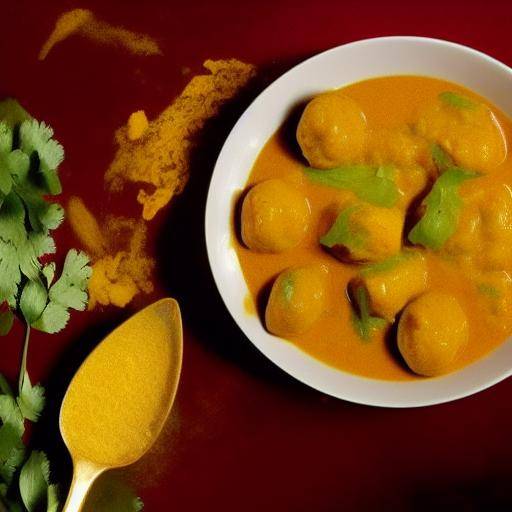
Curry is a typical dish of Indian gastronomy that has conquered palates all over the world. Its exquisite flavor, fragrant aroma and diversity of recipes have made it an essential dish for lovers of international cuisine. In this article, we will explore the fascinating history of curry, discover authentic Indian recipes and immerse ourselves in the exciting world of Indian gastronomy. From the mixture of spices to the step-by-step preparation of delicious curries, this article will give you a truly unique culinary experience.
History and Background
The curry has its roots in the Indian subcontinent, where it has been consumed for centuries. It is believed that the word "curry" derives from "kari", a word used in southern India to refer to spice stews. Over the years, curry has been transformed and adapted to the culinary traditions of different regions, resulting in a wide range of flavors and styles.
Origins and Evolution
The first traces of curry go back to ancient India, where spices were appreciated both for their culinary and medicinal properties. Over time, spice trade brought these aromatic mixtures to other parts of the world, influencing Asian, African and Caribbean cuisines. With cultural exchange, curry became an iconic dish, adopting unique nuances in each region.
Development and Relevant Daughters
During the British colonization of India, curry gained popularity among settlers and was introduced into Western gastronomy. This marked a turning point in the global appreciation of curry, leading him to become one of the most emblematic dishes of Indian food. The interest in culture and cuisine in India has promoted the spread of curry worldwide, making it a favorite in restaurants and homes in different countries.
Analysis in Deep
Curry is not only a delight for the palate, but also offers health benefits. The spices used in its preparation, such as turmeric, cumin and ginger, contain bioactive compounds with antioxidant and anti-inflammatory properties. These ingredients can contribute to cardiovascular health, digestion and general well-being. However, it is important to note that some curry recipes may contain significant levels of fat and calories, so moderate consumption is recommended.
Exhaustive examination
Curry has become a global culinary phenomenon, and its versatility has led it to be adapted in different cultures and cuisines. From the vindaloo spic to the soft korma, the possibilities are infinite. In contemporary society, curry has integrated into fusion cuisine, inspiring innovative dishes that combine the best of tradition with modern creativity. This phenomenon reflects the ability of food to unite various cultural influences, creating unique gastronomic experiences.
Comparative analysis
Curry, recipes and gastronomy form an inseparable triptych that defines India's culinary legacy. While curry represents the essence of spicy and aromatic cuisine, recipes serve as guides to give life to this culinary experience. Indian cuisine, with its variety of flavours, textures and cooking methods, is a multidimensional universe that reflects the country's cultural wealth and regional diversity.
Practical Tips and Authentic Recipes
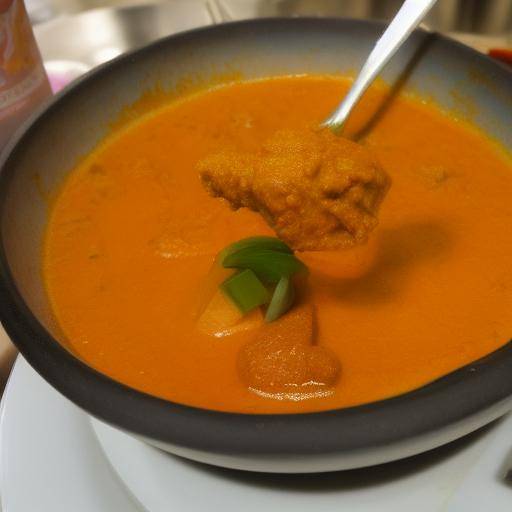
Chicken Tikka Masala Recipe
- Ingredients:
- Chicken breasts
- Natural yogurt
- Take a crush.
- Cebolla
- Ajo
- Ginger
- Garam masala
- Fresh cilantro
- Come on.
Preparation:
- Mix yoghurt with garam masala, chopped garlic, grated ginger and a pinch of salt.
- Cut the chicken breasts into pieces and mix them with the yogurt marinade. Let stand for at least 30 minutes.
- Heat some oil in a skillet and skip the chopped onion until golden brown. Add the crushed tomato and cook until a thick sauce is formed.
- Add the pieces of marinated chicken and cook until tender and cooked.
- Spicy fresh cilantro powder before serving.
Councils:
- Accompany the Chicken Tikka Masala with basmati or naan rice.
- Adjust the amount of spices according to your spicy preference.
Industry Information and Expert Reviews
Indian gastronomy has conquered the global culinary stage, winning the recognition of chefs and gastronomic critics. The complexity of the flavors, the meticulousness in preparation and respect for culinary traditions have consolidated the reputation of Indian cuisine as one of the most sophisticated and diverse in the world. The experts agree that curry, in all its varieties, represents the most authentic expression of India's culinary heritage.
Case Studies and Practical Applications
The influence of curry in contemporary gastronomy goes beyond mere preparation of dishes. Michelin star restaurants have incorporated elements and techniques of curry in their offer, creating exceptional gastronomic experiences that merge tradition with modernity. In addition, food and seasoning companies have developed exclusive curry lines, adapting them to the tastes and demands of consumers around the world.
Future Trends and Predictions
The impact of curry on the gastronomic scene is far from diminishing, as the search for authentic flavors and immersive culinary experiences continues to rise. The popularity of curry recipes is expected to continue to grow, driven by the growing global appreciation of ethnic cuisine and the demand for exotic flavors. Also, the commitment to fresh, local and sustainable ingredients is generating a reinvention of curry recipes, adapting them to the conscious and environmentally friendly food trends.
Conclusion
Curry is much more than a dish; it is a cultural expression in which centuries of history converge, the mastery of the mixture of spices and passion for good food. From the streets of India to the avant-garde restaurants, curry has conquered the world, leaving an unbeatable mark on global gastronomy. By unraveling its roots, discovering its authentic recipes and exploring its multiple facets, we have experienced a culinary experience that reminds us that at the table we are all travelers looking for new flavors.
FAQs
What's the curry story?
Curry has its origins in ancient India, where spices were used in the preparation of aromatic stews. Over time, curry expanded to other cultures and regions, adapting to its culinary traditions.
What are the health benefits of curry?
Curry contains spices with antioxidant and anti-inflammatory properties, which can contribute to cardiovascular health and digestion, among other benefits. However, it is important to moderate your consumption due to the content of fats and calories in some recipes.
What is the difference between different curry recipes?
Curry recipes vary in their ingredients and preparation, giving rise to a wide range of flavors and styles. From the vindaloo spic to the soft korma, each recipe offers a unique gastronomic experience.
What is the influence of curry in global gastronomy?
The curry has transcended borders, influencing global gastronomy and serving inspiration for the creation of fusion dishes that combine tradition and culinary creativity.
How can I prepare an authentic curry at home?
To prepare an authentic curry at home, it is essential to use a mixture of fresh and quality spices as well as faithfully follow the directions of the recipe. In addition, it is important to adjust the spices according to the personal preferences of spicy and flavor.
What is the future of Indian cuisine and curry consumption?
Indian cuisine is expected to continue to gain global recognition and admiration, bringing with it the popularity and diversity of curry recipes. The trend towards fresh, sustainable ingredients and authentic flavors could boost a reinvention of classic curry recipes.
What is the best way to enjoy a curry?
The curry can be enjoyed in various ways, either accompanied by basmati rice, naan or accompanied by other delights of Indian cuisine, such as chutneys, raita or samosas. The combination of flavors and textures creates a truly unique culinary experience.
What is the role of curry in Indian culture?
Curry is an integral part of India's culinary culture, reflecting regional diversity and the richness of flavors that define the country's gastronomic identity. It is a symbol of coexistence, tradition and passion for good food.
How can I adapt a curry to my dietary preferences?
Curry is highly adaptable to different dietary preferences, which can reduce or substitute ingredients to fit vegetarian, vegan or gluten-free diets. Experimenting with fresh and local ingredients is an excellent way to customize a curry according to individual preferences.
With this complete exploration of curry, its authentic Indian recipes and its impact on global gastronomy, we hope to have aroused your curiosity and appetite for this fascinating dish. Whether you venture into a kitchen full of spices or look for new ways to delight your senses, curry always promises an unforgettable culinary experience. Good profit!