Introduction
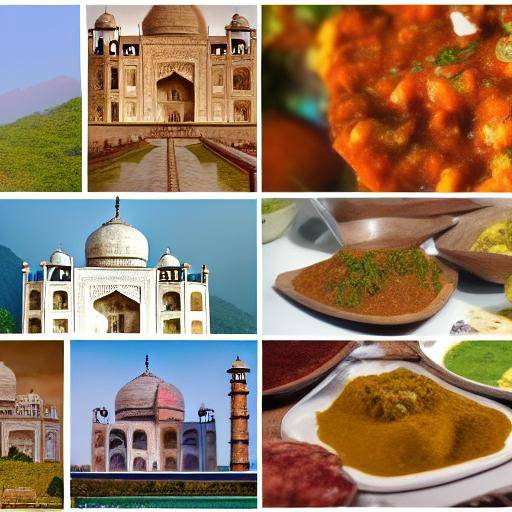
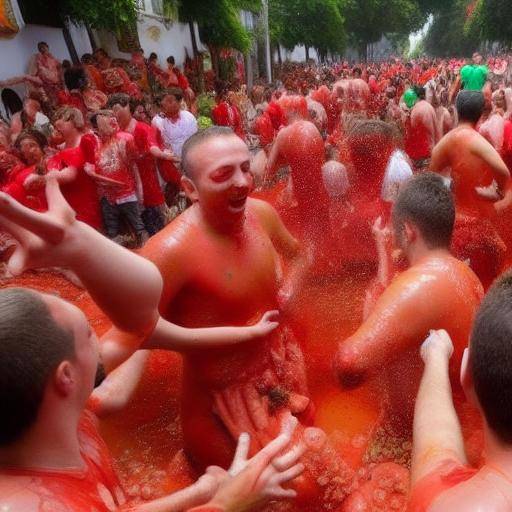
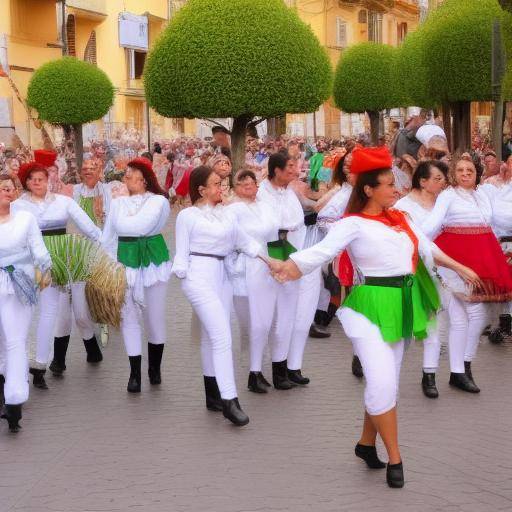
India, a country rich in culture, colors and flavors, is known for its vibrant gastronomic festivals that celebrate culinary diversity and the millenary tradition of food. In this article, we will explore the wealth of gastronomic festivals in India, immersed in history, flavors, celebrations and associated traditions. From Diwali to Holi, passing through Baisakhi and Ponl, these festivals are not only a gastronomic entity, but a true manifestation of the essence of India through its delicious cuisine.
History and Background
The gastronomic festivals in India have deep roots dating back to centuries of rich culinary traditions and ancestral festivities. The interconnection between food and culture is reflected in the diversity of festivals, each with their own stories and meanings.
From the Putl bountiful in southern India, which celebrates agricultural prosperity, to the vibrant Holi, which marks the arrival of spring with an explosion of colors and flavors, each festival has its own unique charm.
During Diwali, the party of lights, sweet and salty delights are prepared with auspicious ingredients. Baisakhi brings with it dishes rich in tradition and symbolism for farmers, while Navaratri sees a variety of vegan dishes cooked with waiter during the nine days dedicated to the Goddess.
Deep analysis
The celebration of gastronomic festivals in India not only fulfills a cultural and religious purpose, but also plays a crucial role in promoting tourism and trade. These festivals attract a large number of national and international tourists, which contribute significantly to the country's economy.
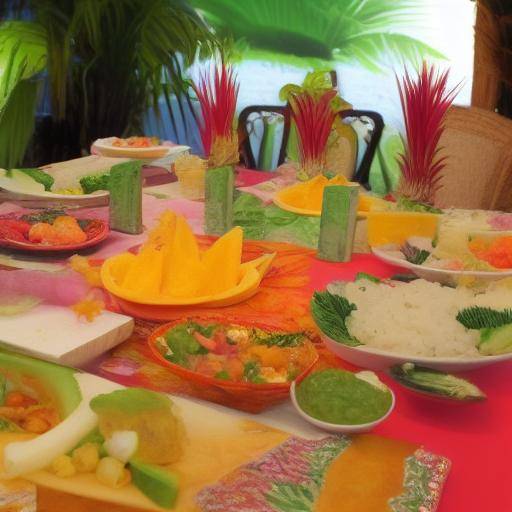
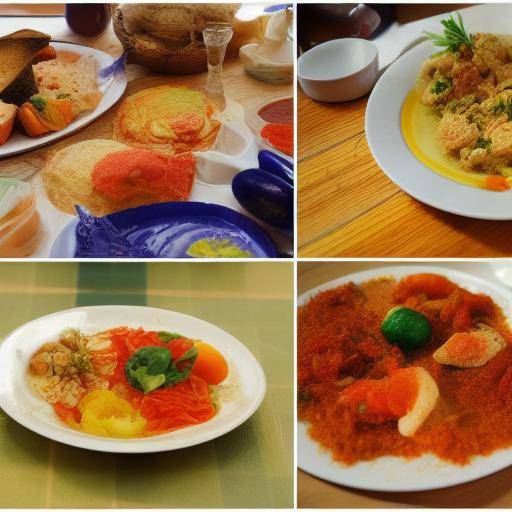
The diversity of Indian gastronomy is highlighted during these festivals, offering visitors an unforgettable culinary experience. The varied range of regional dishes, traditional cooking techniques and exotic flavors make these festivals a real feast for the senses.
Comprehensive review
Gastronomic festivals in India also provide a platform for small local entrepreneurs and artisans to attract customers and show their products. This opportunity fosters the entrepreneurial spirit and preservation of traditional handicrafts, which contributes to the socio-economic development of local communities.
At the same time, they face challenges in terms of crowd management, quality assurance and authenticity of food, and environmental sustainability. Attention to these aspects is essential to ensuring that gastronomic festivals continue to be exciting and sustainable long-term events.
Comparative analysis
By comparing the gastronomic festivals in India with similar events in other countries, the uniqueness of Indian cuisine is highlighted, which encompasses a wide range of flavors, textures and culinary techniques. While some festivals in other countries focus on specific dishes or particular ingredients, India's festivals offer a wide variety of dishes that reflect the country's cultural and geographical diversity.
Practical Tips and Accessible Tips
If you are participating in a gastronomic festival in India, here are some practical tips to make the most of the experience:
- Do not miss the opportunity to try indigenous dishes from different regions.
- Interact with local sellers and craftsmen to know the stories behind food and crafts.
- Keep abreast of special events, such as live cooking demonstrations or food contests.
Industry Perspectives and Expert Reviews
According to industry experts, gastronomic festivals in India are experiencing significant evolution, with a growing focus on sustainability, the promotion of regional food and the impetus for culinary innovation. These trends reflect a shift towards the preservation of cultural authenticity and the promotion of responsible practices in the food industry.
Case Studies and Real Life Applications
An outstanding example of the influence of gastronomic festivals in India is the positive impact on local tourism and the promotion of the country's rich culinary heritage. With increased interest in Indian cuisine worldwide, these festivals play a crucial role in the projection of India's image as an indispensable gastronomic destination.
A specific case is the Delhi Street Food Festival, which has earned an international reputation for its authentic and vibrant street delights. This festival has been instrumental in promoting Indian street cuisine, which represents an integral part of the culinary scene of the country.
Future Trends and Predictions
As the gastronomy industry in India continues to evolve, gastronomic festivals are expected to take a more focused approach to the preservation of regional culinary diversity, innovation in the presentation of traditional dishes and a greater emphasis on sustainability and social responsibility.
It is expected that festivals will continue to be a meeting point for food lovers, tourists and entrepreneurs, promoting the exploration of the authentic culinary heritage of India in a festive and vibrant environment.
Conclusion
The gastronomic festivals in India are not only a celebration of the flavours and aromas of the country, but they also represent a manifestation of its rich cultural diversity and rooted traditions. From the vibrant explosion of Holi colors to the culinary splendor of Diwali, each festival offers a unique experience that merges food with life, religion and community.
We hope that this tour of the gastronomic festivals in India has awakened in you the desire to immerse yourself in this unique experience and discover the richness of Indian cuisine in its most authentic form.
FAQs
1. What are the most popular gastronomic festivals in India?
India is known for festivals such as Diwali, Holi, Baisakhi, Ponl, Navaratri and many more, which are celebrated with great enthusiasm and unique culinary delights.
2. What is the role of food at the festivals in India?
Food plays a central role in the festivals of India, as it reflects cultural identity and regional traditions, offering an opportunity to share, celebrate and enjoy the culinary diversity of the country.
3. How can I participate in a gastronomic festival in India?
You can participate in the gastronomic festivals of India by attending local events, testing traditional dishes, interacting with locals and diving into the unique culinary culture of each region.
4. What kind of dishes can I expect at an Indian gastronomic festival?
At the gastronomic festivals in India, you can enjoy a wide range of dishes including traditional sweets, salty dishes, auspicious foods and a variety of regional cuisine.
5. How do gastronomic festivals influence the economy and tourism in India?
Gastronomic festivals in India contribute significantly to the economy and tourism by attracting visitors and promoting the country's unique food culture.
6. What makes Indian gastronomic festivals so special?
The diversity, cultural wealth and authenticity of Indian cuisine make India's gastronomic festivals an extraordinary experience that combines gastronomy, tradition and celebration.
Concluding, the gastronomic festivals in India are a real feast for the senses, offering a unique vision of the country's rich culinary and cultural tradition. From colorful celebrations to the extraordinary variety of regional dishes, these festivals are a window to diversity that defines India as an exceptional culinary destination.
We hope that this trip through the gastronomic festivals in India will have aroused your curiosity and inspired you to explore this fascinating culinary world!